Newsroom
Fed Holds Rates Steady at 3.50%-3.75% in Split Vote as Bitcoin Trades Near $64,400
29 July, 2026 / News / AI / Tags: inflation, committee, warsh, meeting, prices

The Federal Reserve left its benchmark rate unchanged for a fifth consecutive meeting after a 9-3 decision, with Bitcoin posting modest gains while traders await further guidance from Chair Kevin Warsh
The Federal Open Market Committee concluded its July 28-29 meeting by maintaining the federal funds rate in a target range of 3.50% to 3.75%. The decision, released on July 29, 2026, came via a 9-3 vote and extended a pause that has now stretched across five consecutive policy gatherings.
Three regional bank presidents dissented in favor of a 25-basis-point increase: Minneapolis Fed President Neel Kashkari, Dallas Fed President Lorie Logan and Cleveland Fed President Beth Hammack. The split marked a more divided outcome than recent unanimous holds and signaled lingering concern among some officials about inflation remaining above the central bank’s 2% goal.
Policy Statement and Economic Backdrop
In its accompanying statement, the committee described economic activity as continuing to expand at a solid pace. Job gains were characterized as keeping pace with growth in the workforce. Officials reiterated that inflation remains elevated relative to the longer-run target and affirmed their commitment to delivering price stability.
Recent data provided some support for the decision to stand pat. June consumer prices rose 3.5% year over year, down from 4.2% in May, while core inflation slowed to 2.6% from 2.9%. A sharp drop in gasoline prices during the month contributed to the cooler headline reading. However, renewed tensions in the Middle East have pushed oil prices higher in recent sessions, raising fresh questions about whether energy costs could reintroduce upward pressure on broader prices.
Fed Chair Kevin Warsh, who has prioritized a return of inflation to the 2% target, has offered limited forward guidance since assuming the role. Markets therefore focused closely on the vote tally and the precise language of the statement rather than any explicit signal about the path ahead.
Market Pricing and Political Context
Ahead of the announcement, futures markets assigned roughly a 30% to 35% probability to a rate increase, according to CME FedWatch data. The majority of pricing continued to favor an unchanged stance. Prediction markets similarly showed elevated but minority odds of a surprise hike.
President Donald Trump had publicly called for substantially lower rates in the days leading up to the meeting, stating that the United States should have the lowest interest rates in the world. The central bank nevertheless opted to hold policy steady.
Bitcoin and Crypto Market Reaction
Bitcoin traded near $64,400 in the immediate aftermath of the decision, recovering from earlier session lows that had approached the $62,700 to $63,000 area. The digital asset posted modest gains on the day, with some reports placing the move in the range of 0.3% to roughly 1.6% depending on the precise measurement window.
Ethereum hovered around $1,900 to $1,917, while XRP changed hands near $1.08 and Solana near $74. Overall crypto market capitalization registered only limited change, suggesting much of the expected hold had already been incorporated into prices.
The Crypto Fear & Greed Index stood in the high 20s, remaining in “Fear” territory even as it improved from prior “Extreme Fear” readings. Spot bitcoin exchange-traded funds had recorded outflows in recent sessions, and trading volumes in both spot and derivatives markets stayed relatively subdued compared with earlier peaks.
Safe-haven assets outperformed. Gold and silver proxies rose more noticeably after the announcement, while bitcoin-linked equities delivered mixed results, with some mining stocks posting sharper declines that had begun earlier in the session.
What Comes Next
Attention now turns to Chair Warsh’s post-meeting press conference for any additional color on the inflation outlook and the balance of risks. Upcoming inflation and employment data, along with the September FOMC gathering, will shape expectations for whether the current pause continues or gives way to tighter policy later in the year.
Analysts noted that the correlation between bitcoin and traditional risk assets such as the Nasdaq has recently approached multi-year lows, potentially limiting the immediate impact of the rate decision relative to prior cycles. Still, elevated energy prices, residual inflation concerns and the unusual degree of division within the committee leave markets sensitive to any shift in the policy trajectory.
Bitcoin remains substantially below its October 2025 record above $126,000, trading within a range bounded by nearby technical levels near $62,500 to $63,300 on the downside and $64,500 to $65,000 on the upside. Further direction is likely to depend on both macroeconomic developments and shifts in institutional flows in the weeks ahead.
Disclaimer
This article was generated by AI using information from multiple industry sources. It has not been reviewed or verified by a human editor and may contain inaccuracies, omissions, or misinformation. Readers are encouraged to independently verify any information before making decisions based on its content.Tired of the noise?
Let the bots trade for you.
Trade 24/7, without emotion, with data-driven strategies.
Associated articles

Citadel Securities Calls for Surprise Fed Rate Hike as Markets Expect Hold

Bitcoin Traders Eye Warsh Jackson Hole Debut Amid Macro Uncertainty

Bitcoin Drops Toward $65K as Fed Chair Kevin Warsh Holds Rates Steady
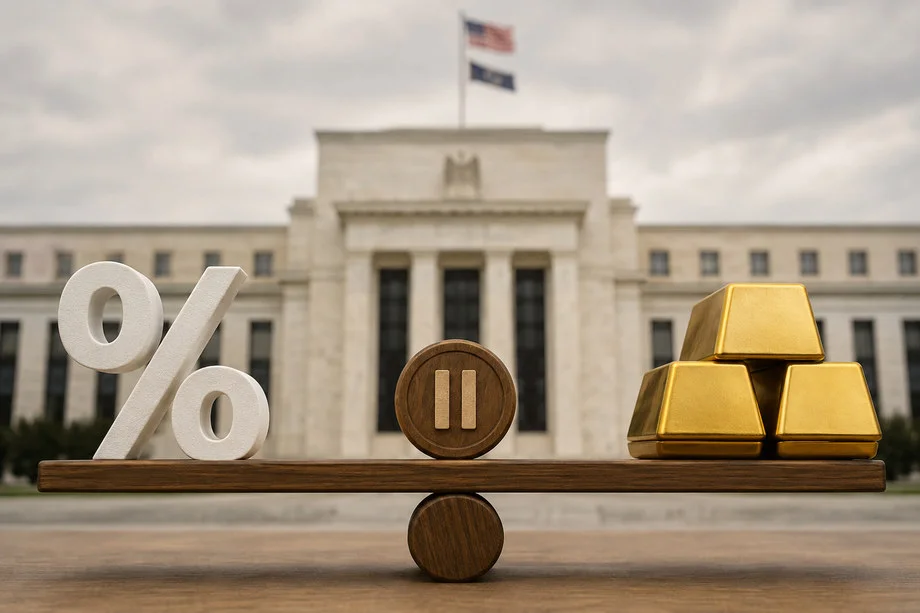
Goldman Sachs’ Kaplan Backs Fed’s July Rate Hold, Calls for Data-Driven Flexibility Ahead of September

Fed Chair Warsh Signals Inflation Focus in Hawkish Jackson Hole Address
Latest articles

SpaceX and Tesla Set Up Committees to Explore Merger That Would Combine Holdings of Over 30,000 Bitcoins
UK Banks Face Thousands of Complaints Over Crypto Transfer Restrictions
Ripple Backs SEC Proposed Crypto Asset Rules After $150 Million Legal Battle
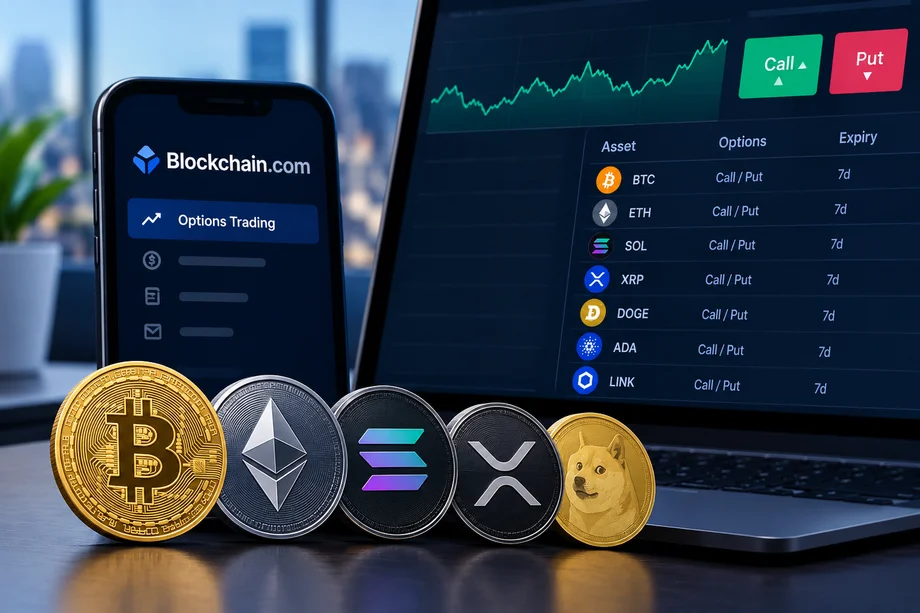
Blockchain.com Introduces Options Trading on Seven Major Crypto Assets