Newsroom
Dogecoin Co-Founder Jokes of $1.2 Trillion Purchase Amid Stimulus Debate
12 September, 2026 / News / AI / Tags: dogecoin, markus, stimulus, inflation, billy
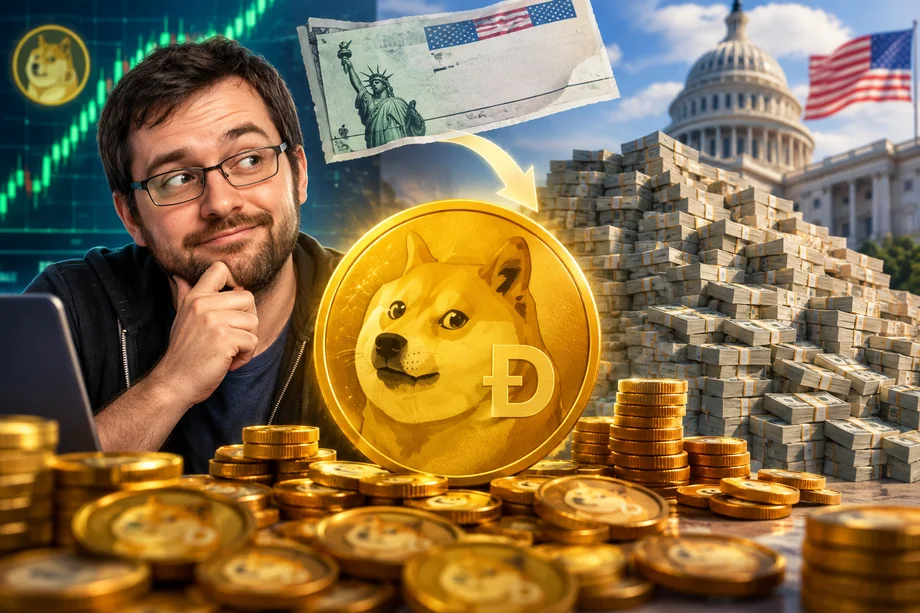
Billy Markus floats a satirical $1.2 trillion Dogecoin buy as economists flag inflation risks from proposed $5,000 U.S. payments to adults
Billy Markus, co-creator of Dogecoin and known online as Shibetoshi Nakamoto, responded to ongoing discussions about a potential $5,000 stimulus payment for every adult in the United States with a pointed suggestion. Rather than endorsing or rejecting the idea outright, he proposed directing $1.2 trillion toward purchases of Dogecoin instead.
The remark, delivered in a lighthearted style typical of Markus’s public commentary, drew attention across crypto circles for its scale and timing. It arrived as debate continued over the economic effects of another round of direct payments.
Stimulus Proposal and Inflation Concerns
The proposal under discussion would deliver a one-time $5,000 check to each U.S. adult. Economic analysts have cautioned that such payments often produce only short-term relief on household costs while adding upward pressure on consumer prices. Increased spending power can feed into broader price rises, reducing the longer-term benefit of the transfers.
Recent surveys have shown weakening consumer outlooks. Data from the Conference Board pointed to a more negative short-term view among households in August. Separately, the University of Michigan consumer survey recorded further deterioration in sentiment linked to ongoing inflation worries.
Markus’s comment framed the stimulus idea as carrying inflationary risk at a moment when additional price pressure is unwelcome.
Scale of the Suggested Dogecoin Purchase
The $1.2 trillion figure stands in sharp contrast to Dogecoin’s present market position. The cryptocurrency ranks as the 11th largest by market capitalization, with a total value of approximately $13.24 billion. Circulating supply sits at 155.88 billion DOGE. At current levels, a purchase of that magnitude would vastly exceed the entire existing market value and available supply.
Markus presented the notion as satire rather than a practical recommendation. The disparity between the proposed sum and Dogecoin’s actual size served to illustrate the scale of the fiscal measure under discussion.
| Metric | Value |
|---|---|
| Market capitalization | $13.24 billion |
| Circulating supply | 155.88 billion DOGE |
| Recent price | $0.0849 |
| 24-hour change | +1.75% |
Dogecoin’s Supply Dynamics
Dogecoin has no fixed maximum supply. New coins enter circulation at a steady rate of 5 billion per year. Because the absolute issuance remains constant while the total supply grows, the annual inflation rate declines over time as a percentage of the overall stock.
This structure has drawn notice in conversations comparing digital assets with traditional monetary expansion. Markus’s remark appeared to nod toward that gradual reduction in relative inflation as part of the broader commentary on stimulus policy.
Dogecoin originated in 2013 as a light-hearted project created by Markus together with Jackson Palmer. It has since developed a large following and maintained a consistent presence among the top cryptocurrencies by market value. In the most recent trading session the token was quoted at $0.0849, up 1.75 percent over 24 hours.
The exchange between the stimulus discussion and Markus’s response has kept attention on both the fiscal debate and the distinctive monetary design of Dogecoin.

Disclaimer
This article was generated by AI using information from multiple industry sources. It has not been reviewed or verified by a human editor and may contain inaccuracies, omissions, or misinformation. Readers are encouraged to independently verify any information before making decisions based on its content.Tired of the noise?
Let the bots trade for you.
Trade 24/7, without emotion, with data-driven strategies.
Associated articles

Samson Mow Says Bitcoin Awaits Genuine Bull Run After $79,000 Rally

Dogecoin Gains Momentum as Bitcoin Reclaims $80K, Wallet Upgrade Fuels Optimism

KAIA Token Jumps Over 50% on Upbit Listing News

Venice Token VVV Hits Record $34.51 on Privacy AI Demand and Staking Momentum
Tim Draper Labels Apple and Meta Irresponsible for Lacking Bitcoin Reserves
Latest articles

JPMorgan Expands Tokenized Money Market Funds to Solana Blockchain

Dropee Daily Quiz Archives Cover Four Months of Startup and Business Terms in 2026

Aave V4 Debuts Externally Curated Lending Markets Managed by Sentora on Ethereum

HSBC Begins Phased Rollout of HKD-Backed RedCoin Stablecoin to 3.3 Million PayMe Users