Newsroom
Bitcoin Climbs Toward $85,500 as Softer August PCE Data Eases Rate-Hike Pressure
30 September, 2026 / News / AI / Tags: pce, percent, inflation, above, hike
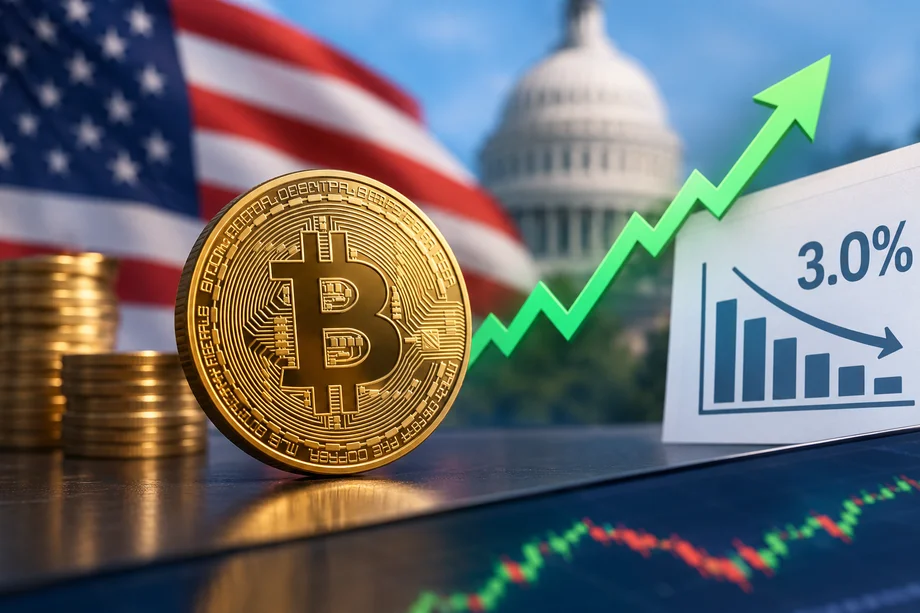
Cooler-than-expected U.S. inflation readings lifted Bitcoin above $85,000 on Wednesday after Treasury yields retreated and October Fed hike odds declined
Bitcoin advanced on September 30 after the Bureau of Economic Analysis released August personal consumption expenditures data that came in below market forecasts. The largest cryptocurrency moved from levels near $83,700 earlier in the day to an intraday high above $85,500, reaching its strongest mark since January before pulling back modestly.
The PCE price index, the Federal Reserve’s preferred inflation gauge, rose 0.3 percent from July and 3.4 percent from a year earlier. Core PCE, which excludes food and energy, increased 0.2 percent month over month and 3.0 percent annually. Economists had anticipated a 3.7 percent annual headline reading and a 3.3 percent core figure. Monthly core inflation also undershot the 0.3 percent consensus.
Bond Market Reaction Opens Room for Risk Assets
The immediate response appeared in fixed-income markets. The 10-year Treasury yield slipped from approximately 5.234 percent ahead of the release to about 5.203 percent. The two-year yield declined from 4.881 percent to roughly 4.845 percent. Those moves reduced the competitive pressure that higher yields had exerted on risk assets in recent sessions, when the 10-year rate had climbed to levels last seen in 2007.
Market pricing for an additional Federal Reserve rate increase at the late-October meeting also softened. Probability of a hold rose while the chance of a further 25-basis-point hike fell. The central bank had already lifted its federal funds target range by 25 basis points on September 16 to 3.75 percent–4.00 percent.
Spending Strength Limits Dovish Interpretation
The report contained offsetting details. Personal consumption expenditures jumped 0.9 percent in August, while real PCE rose 0.6 percent. Personal income increased 0.2 percent and disposable personal income gained 0.3 percent. The combination pointed to resilient household demand even as price pressures moderated on a monthly basis.
Core inflation remains well above the Federal Reserve’s 2 percent target. Strong spending data therefore leaves open the possibility that price pressures could reaccelerate, limiting the scope for an immediate shift toward easier policy.
Bitcoin Price Action and Institutional Flows
Bitcoin traded near $83,700 in the early hours of September 30 as markets awaited the data and Micron Technology’s quarterly results. After the release it briefly reached $84,305, then climbed above $85,500 and touched an intraday peak near $85,600. Later readings showed the cryptocurrency settling in a range between roughly $84,300 and $85,400, with a 24-hour span that extended as high as $87,251 in some market data.
U.S. spot Bitcoin exchange-traded funds recorded $31 million in net inflows in the most recent completed session. That followed approximately $2.39 billion of inflows the prior week. Institutional demand has provided a steady bid even as elevated Treasury yields constrained broader risk appetite through much of September.
Other assets also responded. Spot gold rose about $14 to $4,205 per ounce, silver advanced $0.36 to $61.36, and the U.S. dollar index slipped 15 basis points to 101.05.
Broader Market Context
Bitcoin had spent the preceding week consolidating between approximately $82,600 and $85,600 after an earlier surge that carried it from mid-September lows near $76,000 to a high of $87,354. The cooler inflation print supplied a short-term catalyst but did not immediately produce a decisive breakout above the recent ceiling.
New York Fed President John C. Williams stated the day before the data that officials saw “no need for urgency” following the September rate increase and preferred to gather additional information. The August PCE figures reduced near-term pressure for further tightening while leaving the overall policy path dependent on incoming spending and labor-market readings.
The combination of softer monthly inflation, lower Treasury yields, and continued ETF demand supported Bitcoin’s advance, yet resilient consumer spending and core inflation still above target kept the longer-term rate outlook mixed.

Disclaimer
This article was generated by AI using information from multiple industry sources. It has not been reviewed or verified by a human editor and may contain inaccuracies, omissions, or misinformation. Readers are encouraged to independently verify any information before making decisions based on its content.Tired of the noise?
Let the bots trade for you.
Trade 24/7, without emotion, with data-driven strategies.
Associated articles
Goldman Sachs Delays Second Fed Rate Hike Forecast to December

US September CPI Climbs to 3.7% as Core Inflation Exceeds Forecasts

Bitcoin Falls Below $80,000 After Strong US Jobs Report Exceeds Forecasts

Gold Nears $4,700 as Bitcoin Surpasses $80,000 Amid Weaker Dollar

U.S. Inflation Data Due Wednesday as Fed Speeches and Crypto Events Unfold
Latest articles

Revolut Services Disrupted by Google Cloud Power Event in London
Mt. Gox Trustee Extends Creditor Repayment Deadline to October 2027

JPMorgan Forecasts 10% Annual Bitcoin Returns, Surpassing Stocks and Gold Over Next Decade

Bitget Plans Acquisition of Licensed Thai Crypto Exchange to Enter Local Market