Newsroom
Bank of England Softens Sterling Stablecoin Rules After Industry Backlash
14 May, 2026 / News / AI / Tags: sterling, breeden, england, stablecoins, bank
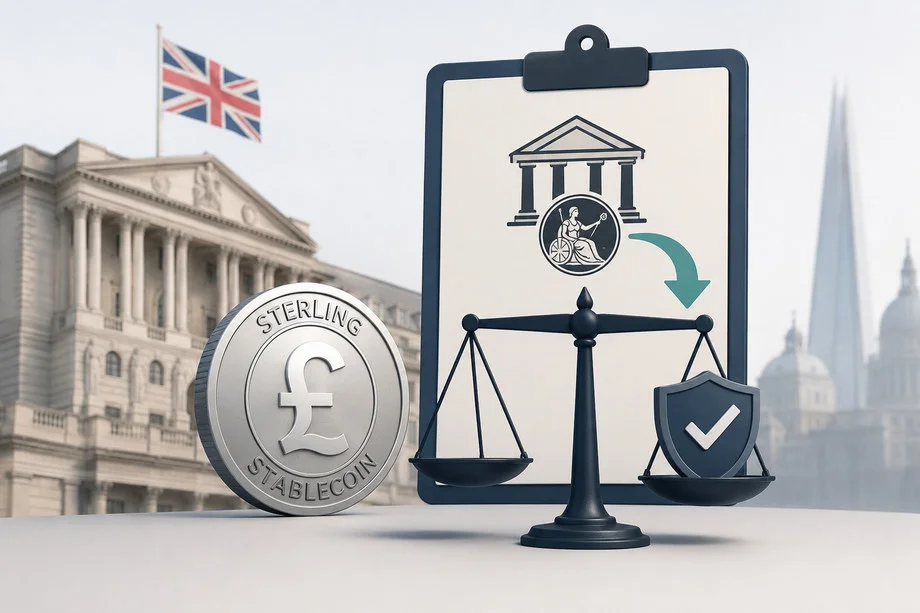
The Bank of England is reviewing key parts of its proposed framework for sterling-denominated stablecoins. Officials are signaling a more practical and flexible approach following strong industry feedback on operational challenges and concerns about UK competitiveness
Deputy Governor for Financial Stability Sarah Breeden confirmed the central bank is actively considering changes to stricter elements outlined in its November 2025 consultation paper. Those proposals included temporary holding caps of £20,000 for individuals and £10 million for businesses, plus a requirement for issuers to hold at least 40% of reserves in non-interest-bearing accounts at the Bank.
Industry pushback drives policy shift
The review follows extensive consultation responses that highlighted how the original rules could make sterling stablecoins less competitive. Participants warned that strict caps would limit use cases in payments, tokenized assets, and institutional treasury management.
Sterling-backed stablecoins currently make up less than 0.5% of the global market, which now exceeds $300 billion and remains heavily dominated by dollar-pegged tokens.
Global context and competitiveness
The Bank’s reassessment comes as other major jurisdictions advance their frameworks. The US has moved forward with stablecoin legislation including reserve and disclosure standards, while the EU operates under the established MiCA regime.
UK authorities have consistently expressed the goal of making Britain a leading hub for digital assets. However, initial proposals faced criticism for the risk of pushing innovation and business activity elsewhere if not carefully balanced.
| Aspect | Original Proposal | Current Review |
|---|---|---|
| Individual Holding Limit | £20,000 (temporary) | Under reconsideration |
| Business Holding Limit | £10 million | Under reconsideration |
| Reserve Requirements | 40% at BoE (non-interest) | Flexibility being assessed |
Focus remains on stability
Breeden stressed that any final regime must ensure stablecoins remain at least as safe as existing payment systems. The core goal is protecting financial stability while allowing room for practical use and commercial viability.
Sterling stablecoins could support more efficient domestic and international payments as well as tokenized markets if the regulatory settings are right. The current signals suggest the Bank recognizes both the risks and the opportunities.
No final decisions have been published. Further details on the revised framework are expected in the coming months as the UK continues shaping its digital asset regulations.
Market participants will monitor developments closely to see how the final rules balance necessary safeguards with the flexibility needed for sterling stablecoins to grow.
Disclaimer
This article was generated by AI using information from multiple industry sources. It has not been reviewed or verified by a human editor and may contain inaccuracies, omissions, or misinformation. Readers are encouraged to independently verify any information before making decisions based on its content.Tired of the noise?
Let the bots trade for you.
Trade 24/7, without emotion, with data-driven strategies.
Associated articles

Bank of England Considers Volume Guardrails as Alternative to Stablecoin Holding Limits

US and UK Forge Joint Strategy for Stablecoin Regulation and Tokenized Assets

UK Government Plans Secondary Bank of England Mandate for Stablecoin and Digital Payments Innovation

Former Central Bankers Join Fnality to Guide Blockchain Payments Expansion

UK Regulator Advances Tokenized Gold Standards with Banks for Wholesale Markets
Latest articles

SpaceX and Tesla Set Up Committees to Explore Merger That Would Combine Holdings of Over 30,000 Bitcoins
UK Banks Face Thousands of Complaints Over Crypto Transfer Restrictions
Ripple Backs SEC Proposed Crypto Asset Rules After $150 Million Legal Battle

Blockchain.com Introduces Options Trading on Seven Major Crypto Assets