Newsroom
2026 World Cup Sparks Record $20 Billion in Blockchain Prediction Market Activity
31 July, 2026 / News / AI / Tags: chainalysis, tournament, cup, fifa, prediction

Chainalysis data shows the tournament drove massive on-chain betting volume, global participation and limited illicit flows alongside growing use of digital collectibles
The 2026 FIFA World Cup generated an estimated $20 billion in blockchain-based prediction market volume from January through the end of the tournament, according to a report from analytics firm Chainalysis. The figure marks the largest single-event volume recorded in the sector to date and far exceeds previous benchmarks such as the $3.6 billion traded around the 2024 U.S. presidential election.
During the five-week competition itself, bettors placed roughly $5.7 billion in wagers. World Cup-related markets accounted for approximately 63 percent of all prediction market activity in that window. More than 400,000 wallets took part, with participation recorded on every continent except Antarctica.
Volume Built Steadily Then Peaked on Final Day
Daily trading began near $50 million in January and rose above $100 million in the pre-tournament period. Once matches started on June 11, daily volume climbed toward $250 million. Activity reached its highest point on the day of the final, when Spain defeated Argentina, with more than $300 million changing hands.
The United States and China generated the largest shares of attributable volume, followed by Canada, Thailand and the United Kingdom. Chainalysis noted that its geolocation method can carry uncertainty when privacy tools obscure wallet locations, so the country rankings represent attributed rather than fully verified residence data.
Novelty markets also attracted significant interest. One contract asking whether Cristiano Ronaldo would cry after Portugal’s elimination generated $49 million in volume. Overall, 55 percent of participating wallets finished the tournament in profit, with a large majority of those winners identified as experienced prediction-market users.
Illicit Exposure Remained Limited by Wallet Count
Fewer than 1 percent of wallets active in World Cup prediction markets—approximately 3,700 addresses—showed ties to illicit actors. Chainalysis traced roughly $5.4 million in flows linked to sanctioned entities and other illicit sources. The largest single source was the exchange Huobi, now operating as HTX, which had been designated under United Kingdom sanctions in May and later added to European Union restrictions. Scam-linked wallets contributed about $2 million and stolen-fund exposure exceeded $800,000.
The firm emphasized that these figures measure earlier wallet histories and fund flows rather than proving illegal activity occurred through the World Cup trades themselves. On a base of $20 billion, the absolute value of flagged flows remained notable even though the share of risky wallets stayed low.
FIFA Collect Added Ticketing and Collectibles Layer
Beyond pure wagering, fans traded about $24 million worth of FIFA Collect digital collectibles. The platform, built on an Avalanche-based chain, also distributed more than 100,000 match tickets through Right-to-Ticket products. FIFA received at least $6 million from secondary-market transaction fees under its 5 percent share.
Wallets linked to sanctioned entities represented less than 0.01 percent of FIFA Collect users. Chainalysis attributed the lower exposure in part to the platform’s identity-verification requirements, contrasting with the more open structure of many prediction markets.
Broader Context for Event-Driven Markets
Separate data from Binance Research showed monthly prediction-market notional volume rising 86 percent from January to $51.6 billion in June, with sports-related contracts forming a substantial share. The World Cup stood out as the dominant single driver within that expansion.
Chainalysis framed the tournament as evidence that blockchain infrastructure can support large-scale, geographically distributed activity around major global events while underscoring the continuing need for effective compliance and monitoring tools as participation grows.
Disclaimer
This article was generated by AI using information from multiple industry sources. It has not been reviewed or verified by a human editor and may contain inaccuracies, omissions, or misinformation. Readers are encouraged to independently verify any information before making decisions based on its content.Tired of the noise?
Let the bots trade for you.
Trade 24/7, without emotion, with data-driven strategies.
Associated articles
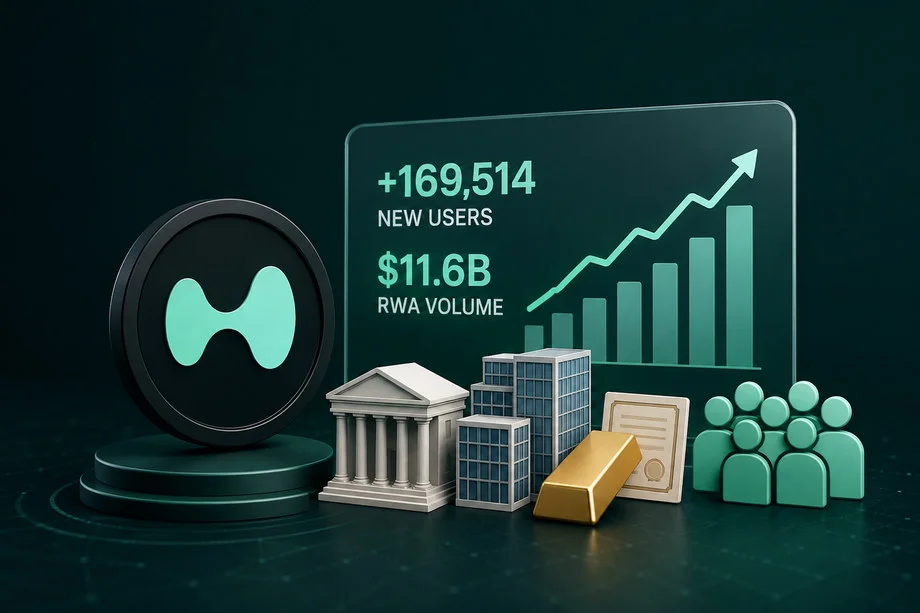
Hyperliquid Draws 169,000 RWA Users in H1 2026 as Trading Hits $111.6 Billion

CoinEx Faces Scrutiny Over $3.84 Billion in Iran-Linked Crypto Flows

Tokenized Stock Holders Surge Past 1.3 Million as On-Chain Volume Hits $23 Billion
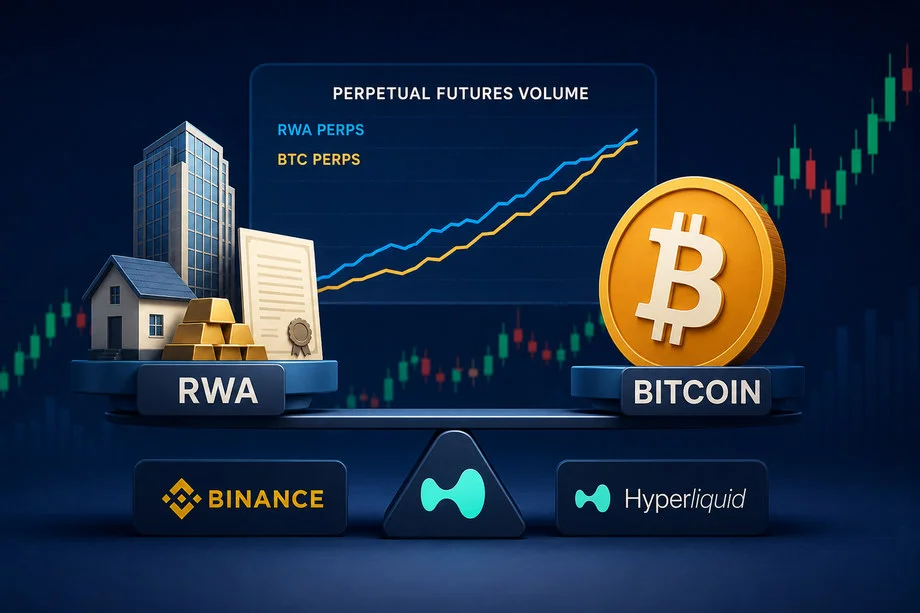
RWA Perpetual Futures Approach Bitcoin Trading Volumes on Major Platforms

Tokenized Stock Transfers Jump Over 415% to $29.5 Billion in 30 Days
Latest articles

SpaceX and Tesla Set Up Committees to Explore Merger That Would Combine Holdings of Over 30,000 Bitcoins

UK Banks Face Thousands of Complaints Over Crypto Transfer Restrictions

Ripple Backs SEC Proposed Crypto Asset Rules After $150 Million Legal Battle

Blockchain.com Introduces Options Trading on Seven Major Crypto Assets