Newsroom
US Judge Acquits MIT Brothers in $25 Million Ethereum MEV Case
18 November, 2026 / News / AI / Tags: brothers, clarke, mev, fraud, conspiracy

Federal court rules prosecutors failed to prove material misrepresentation in the first criminal prosecution targeting maximal extractable value trading on Ethereum
A Manhattan federal judge has acquitted two Massachusetts Institute of Technology-educated brothers of all charges stemming from a 2023 Ethereum trading operation that generated approximately $25 million in profits within seconds. The decision ends the first U.S. criminal case centered on maximal extractable value, or MEV, strategies.
U.S. District Judge Jessica G. L. Clarke issued the ruling on November 16, 2026, clearing Anton Peraire-Bueno and James Peraire-Bueno of wire fraud, conspiracy to commit wire fraud, and conspiracy to commit money laundering. The brothers had faced potential sentences of up to 20 years on each of the original counts.
The April 2023 Operation
Prosecutors alleged the brothers spent months preparing a trading strategy known as Omakase. They registered multiple Ethereum validators and, in April 2023, submitted eight bait transactions designed to attract automated sandwich-trading bots. These bots typically profit by placing orders around pending user transactions in the public mempool.
When one of their validators received a proposed block through the Ultrasound relay, associated with the MEV-Boost software developed by Flashbots, the brothers signed a block header containing two fields set to zero. Those values described an invalid block. The relay did not verify the fields and released the full transaction contents. The brothers then constructed a different block, replacing the bait transactions with trades that moved against the bots’ expected positions.
The sequence produced roughly $25 million in losses for the targeted bots in about 12 seconds. The brothers’ validator incurred a penalty of approximately 1 ETH for proposing two blocks in the same slot. Three sandwich traders, including Savannah Technologies, sustained the losses.
Why the Fraud Charges Failed
In a detailed opinion, Clarke found that prosecutors had not established the material misrepresentation required for wire fraud. She rejected the claim that submitting transactions to Ethereum’s public mempool created any promise or agreement that they would be executed in a particular order alongside other trades.
The judge also determined that the incorrect block-header fields did not constitute fraud because the relay never examined them. As a result, the information had no impact on the recipient’s actions. Clarke noted that neither Ethereum’s design nor the MEV-Boost specifications imposed the obligations prosecutors claimed the brothers had violated.
Comparisons to traditional market spoofing were deemed inapt. Unlike canceled orders, the bait transactions were never withdrawn and appeared on the blockchain within roughly one minute. The court further observed that the case did not involve a regulated market governed by explicit rules prohibiting the conduct.
Case History and Aftermath
Authorities arrested the brothers in May 2024 following an investigation that included the Internal Revenue Service’s Criminal Investigation unit. An earlier motion to dismiss the fraud charges was denied in July 2025, though a separate count of conspiracy to receive stolen property was dropped.
A November 2025 trial ended in a mistrial after the jury failed to reach a unanimous verdict. The November 2026 acquittal directed the clerk to close the case without a retrial. The money-laundering conspiracy charge fell because it depended on proceeds from the alleged fraud.
Flashbots blacklisted the involved validator and updated its relay software within 24 hours of the incident. A wallet holding about $3 million of the proceeds was frozen, while the brothers converted the remaining funds into U.S. dollars by October 2023.
The ruling addresses only the specific elements of the charged offenses. It does not declare every form of MEV activity lawful, nor does it resolve broader questions about participant responsibilities on public blockchains. The decision leaves open questions about the legal status of income derived from transaction ordering in staking and related products.

Disclaimer
This article was generated by AI using information from multiple industry sources. It has not been reviewed or verified by a human editor and may contain inaccuracies, omissions, or misinformation. Readers are encouraged to independently verify any information before making decisions based on its content.Tired of the noise?
Let the bots trade for you.
Trade 24/7, without emotion, with data-driven strategies.
Associated articles
Tornado Cash Co-Founder Roman Storm Retrial Delayed Until April 2027
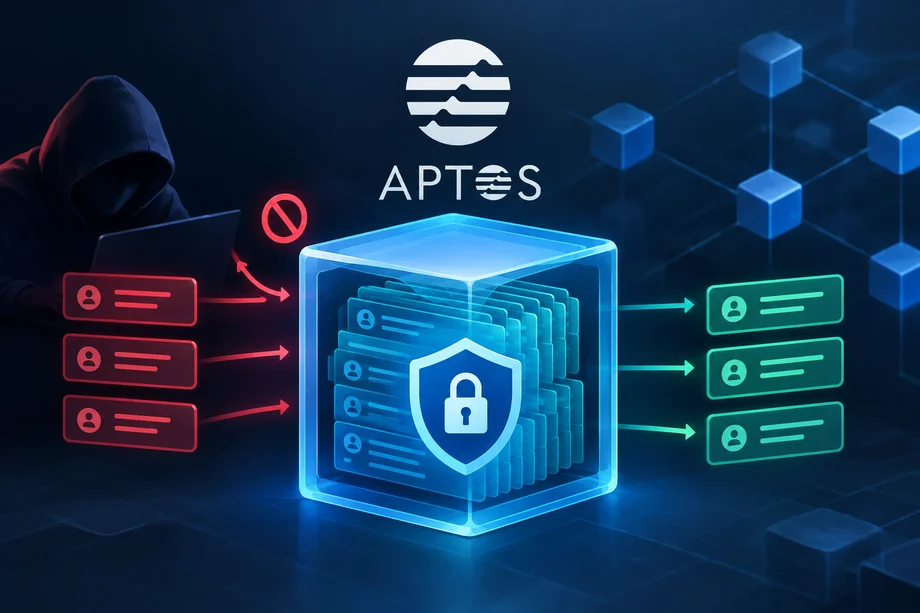
Aptos Activates Encrypted Mempool on Mainnet to Limit MEV Exploitation

South Korean Court Sentences Delio CEO to 15 Years in $50 Million Crypto Fraud Case

DOJ Moves to Dismiss Charges in Major $722 Million BitClub Case

Prisoner Faces New Charges Over $290K Crypto Laundering Plot
Latest articles

PDAX Allows Solana Stablecoins to Fund Philippine Retail Dollar Bonds

Knaken Creditors Seek €26 Million as Dutch Crypto Exchange Faces Recovery Challenges

OpenAI Achieves Major Chip Design Improvements Using AI Models

Tether and Further Asset Management Invest Nearly $10 Million in MetaComp