Newsroom
South Korean Court Sentences Delio CEO to 15 Years in $50 Million Crypto Fraud Case
13 August, 2026 / News / AI / Tags: jeong, delio, court, haru, seoul
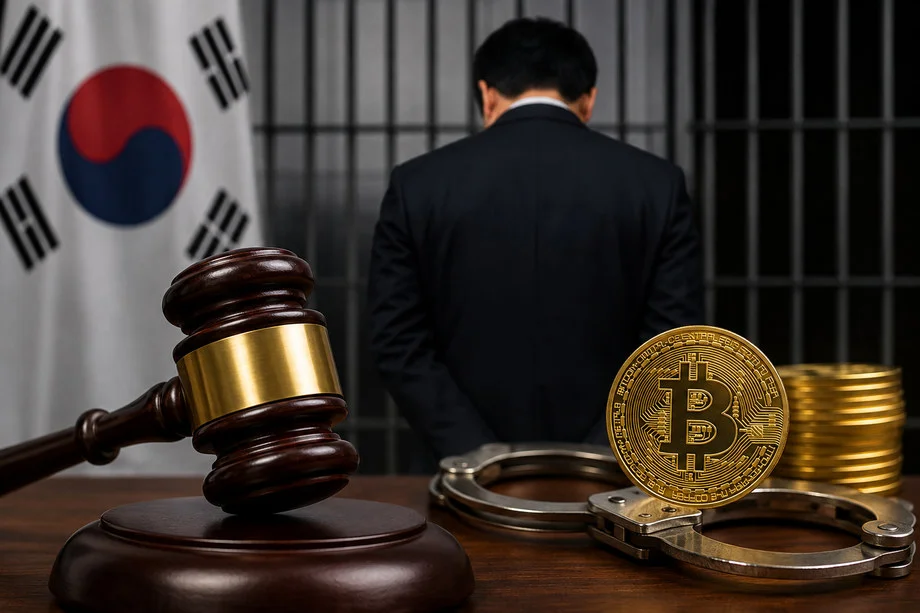
Seoul Southern District Court convicts platform operator Jeong Sang-ho of defrauding more than 1,100 customers after excluding larger claims on procedural grounds
A South Korean court has sentenced the chief executive of crypto lending platform Delio to 15 years in prison for a fraud scheme involving approximately 70 billion won, or about $49 million to $50 million, in digital assets. The ruling targets Jeong Sang-ho, also identified as Mr. Jeong, who oversaw the centralized finance lender that accepted bitcoin and ether deposits while promising elevated yields.
Court Ruling and Charges
The Seoul Southern District Court found Jeong guilty on charges including fraud, embezzlement and the use of false documents related to Delio’s registration as a virtual asset service provider. Prosecutors had sought a 20-year term and alleged misconduct involving roughly 250 billion won, or about $175.6 million, from around 2,800 users between August 2021 and June 2023. The court, however, excluded key evidence obtained during a search and seizure of a server operator after determining it was collected illegally. As a result, Jeong was acquitted of the primary large-scale fraud allegation.
Judges still held him responsible for the smaller sum of roughly 70 billion won taken from more than 1,100 customers. The court ordered Jeong detained immediately after the verdict, citing flight risk concerns. Defense lawyers are expected to appeal the sentence.
The court noted that Jeong had not secured forgiveness from customers who suffered substantial losses, describing the offense as serious due to the number of victims, the size of the damage and the methods employed.
Platform Collapse and Timeline
Delio, founded in 2018, marketed yield-bearing crypto deposit products that offered returns of up to 10.7 percent annual percentage rate on assets including bitcoin, ether and USDT. It positioned the services as an alternative for users seeking returns on digital asset holdings. On June 14, 2023, the platform abruptly blocked customer withdrawals, initially citing market volatility and stating the move was intended to protect assets while it assessed the situation. Customers were left unable to access their funds.
The company was declared bankrupt in November 2024, more than a year after the freeze. Jeong was indicted in April 2025 as the criminal investigation progressed. Prosecutors linked the withdrawal problems in part to disruptions involving another South Korean yield platform, Haru Invest, and related entities. Haru had reported losses tied to the FTX collapse and faced its own separate fraud proceedings involving allegations of far larger customer losses.
Broader Context of Crypto Prosecutions
The Delio case forms part of a series of significant crypto-related fraud prosecutions in South Korea. These include the collapse of the Terraform Labs ecosystem involving TerraUSD and Luna, which erased tens of billions in investor value, and earlier prison sentences handed to executives of the V Global exchange over a multi-billion-dollar scheme. Separate proceedings against Haru Invest executives have also advanced amid claims of mismanagement and deception around high-yield products.
Victims of the Delio freeze had pressed for a severe penalty. During earlier stages of the case, Jeong’s defense indicated readiness to address customer losses in the event of an acquittal. The 15-year term falls short of the maximum sought by prosecutors under South Korea’s Act on the Aggravated Punishment of Specific Economic Crimes but still represents a substantial penalty for the convicted offenses.
Disclaimer
This article was generated by AI using information from multiple industry sources. It has not been reviewed or verified by a human editor and may contain inaccuracies, omissions, or misinformation. Readers are encouraged to independently verify any information before making decisions based on its content.Tired of the noise?
Let the bots trade for you.
Trade 24/7, without emotion, with data-driven strategies.
Associated articles
Tornado Cash Co-Founder Roman Storm Retrial Delayed Until April 2027

Prisoner Faces New Charges Over $290K Crypto Laundering Plot

South Korean Police Arrest Three in $8.6 Million Fake XRP Staking Scheme

Bithumb Secures Court Wins in Bitcoin Crediting Error Recovery Cases

UK High Court Applies Chinese Law to $1.7 Billion Bitcoin Seizure in Major Fraud Case
Latest articles
SpaceX and Tesla Set Up Committees to Explore Merger That Would Combine Holdings of Over 30,000 Bitcoins
UK Banks Face Thousands of Complaints Over Crypto Transfer Restrictions
Ripple Backs SEC Proposed Crypto Asset Rules After $150 Million Legal Battle

Blockchain.com Introduces Options Trading on Seven Major Crypto Assets