Newsroom
UK Police Forfeit £1 Million in Crypto Linked to Historic Darknet Markets
29 August, 2026 / News / AI / Tags: darknet, somerset, avon, police, officers

Avon and Somerset officers recover 20.21 Bitcoin and other assets from a deceased individual previously convicted of money laundering, marking the force’s largest such recovery since 2024 powers took effect
Avon and Somerset Police have secured the forfeiture of cryptocurrency and related funds valued at more than £1 million after linking the holdings to darknet marketplaces that operated between 2016 and 2019. The Financial Investigation Unit recovered 20.21 Bitcoin, additional digital assets and money held in a bank account, with a combined value of £1,032,487.86.
The individual connected to the assets had earlier been convicted of money laundering offences and has since died. Authorities did not release the person’s identity. A court approved the forfeiture earlier in 2026 after finding that the cryptocurrency and associated funds represented proceeds of unlawful conduct under the Proceeds of Crime Act.
Tracing Funds Through Blockchain Records
Specialist investigators from the force’s Financial Investigation Unit worked with the Cyber Team to follow the movement of the digital assets. Using advanced tracing methods, officers established connections between the recovered holdings and several darknet platforms active in the late 2010s. Those marketplaces, which law enforcement later shut down, were known to have supported criminal activity including drug distribution and people trafficking.
Police did not name the specific platforms involved. The period in question covers the years when several large darknet markets were operational before being taken offline through coordinated international efforts.
Largest Recovery Under New Powers
The seizure stands as the largest cryptocurrency recovery recorded by Avon and Somerset Police since crypto wallet freezing orders became available in April 2024. Those powers enable officers to freeze digital assets where there are reasonable grounds to suspect a link to criminal activity, without first making an arrest.
Funds recovered under the Proceeds of Crime Act are directed toward community and policing programmes. The case illustrates how blockchain records can allow investigators to identify and recover assets years after the original transactions took place, even when the associated darknet markets no longer exist.
Authorities continue to expand the use of specialist financial investigation techniques to target digital assets suspected of being linked to criminal conduct. The recovery adds to a series of actions in which UK police have applied blockchain analysis to pursue proceeds of historic unlawful activity.

Disclaimer
This article was generated by AI using information from multiple industry sources. It has not been reviewed or verified by a human editor and may contain inaccuracies, omissions, or misinformation. Readers are encouraged to independently verify any information before making decisions based on its content.Tired of the noise?
Let the bots trade for you.
Trade 24/7, without emotion, with data-driven strategies.
Associated articles

Europol Dismantles AudiA6 Crypto Laundering Network Tied to Ransomware Operations
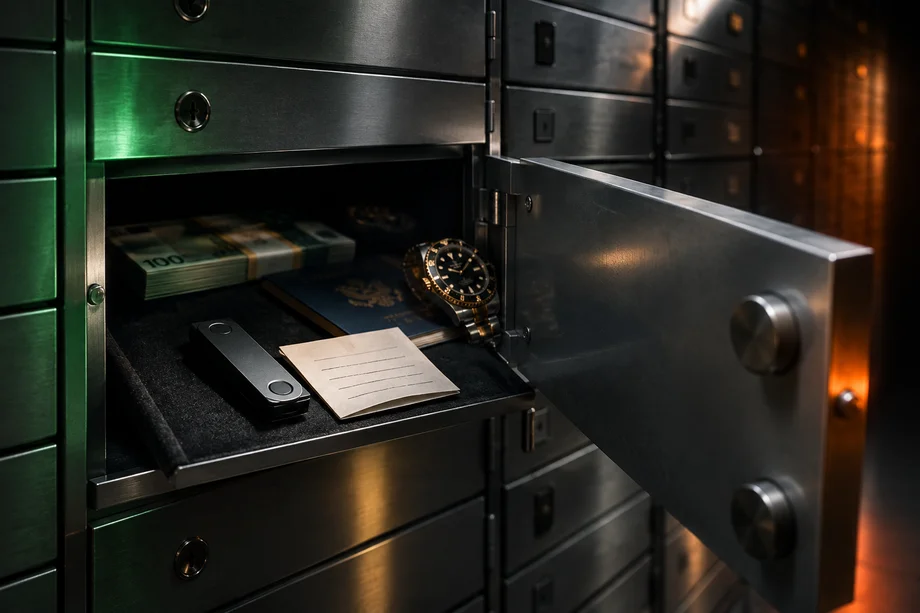
Irish Crime Gangs Rent Private Vaults to Conceal Crypto Keys, Asset Bureau Warns

Thai Police Arrest Chinese Man in $75M Crypto Laundering Probe

U.S. Authorities Seek Forfeiture of $25 Million in Crypto from Romance and Investment Scams

Brazilian Federal Police Arrest Nine in Crypto-Linked Cocaine Trafficking Probe
Latest articles

SpaceX and Tesla Set Up Committees to Explore Merger That Would Combine Holdings of Over 30,000 Bitcoins

UK Banks Face Thousands of Complaints Over Crypto Transfer Restrictions

Ripple Backs SEC Proposed Crypto Asset Rules After $150 Million Legal Battle

Blockchain.com Introduces Options Trading on Seven Major Crypto Assets