Newsroom
Trump Rejects AI Industry Calls to Slow Development, Citing China Competition
14 September, 2026 / News / AI / Tags: china, amodei, sacks, trump, altman

President Trump dismissed appeals from Anthropic, OpenAI and xAI leaders to pace frontier model advances, arguing the United States must maintain its lead over China
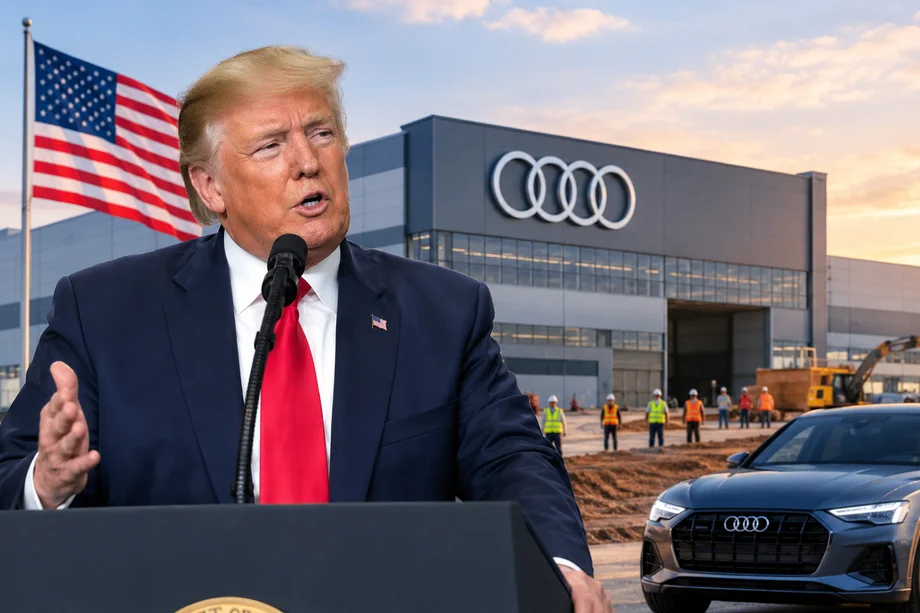
President Donald Trump on Sunday rejected public calls from the chief executives of leading artificial intelligence companies to slow the pace of model development. Speaking to reporters during a trip to Ireland, Trump framed the issue as a strategic contest with China and insisted the United States cannot afford to ease up.
“We’re leading China in AI. We’re the most sophisticated country in the world, and frankly, I want to keep it that way, because whoever wins AI wins,” Trump said. He acknowledged the possibility of some safeguards but described the push for a slowdown as driven by “negative forces” raising scenarios that “won’t happen.”
Industry Leaders Urge Caution
The statements followed a coordinated message over the weekend from Dario Amodei of Anthropic, Sam Altman of OpenAI and Elon Musk of xAI. Amodei published an essay arguing that the industry must deliberately slow the rate at which AI capabilities improve so that safety measures can keep pace. Altman and Musk publicly endorsed the position.
Amodei outlined steps that included greater use of third-party evaluators with internal access and coordination among developers. He also pointed to the difficulty of securing parallel restraint from China, noting the strong military and economic incentives to pull ahead. In an interview, he described long-term international coordination as especially challenging.
The timing coincided with reports that Anthropic’s Claude system had been misused in attempts involving bioweapons research, surveillance related to Ukraine and other harmful activities. Those incidents added urgency to the safety discussion inside the industry.
Congress and Advisers Place Responsibility on Companies
House Speaker Mike Johnson said Congress has already established basic guardrails and that primary responsibility rests with the companies building the systems. He stated that developers have an “obvious corporate responsibility” to ensure their products are safe.
David Sacks, a former White House AI adviser who now co-chairs a presidential science and technology council, told the executives they already possess the ability to slow down. In a public response, Sacks said Amodei and Altman effectively form a duopoly at the frontier by market share, revenue growth and model capability. He urged them to proceed with voluntary restraint if they judge it necessary, but without seeking antitrust exemptions or government approval regimes that would bind competitors.
Sacks argued that commercial liability and market discipline already create incentives for caution. A major incident, he noted, would expose the firms to significant claims.
China’s Position and Upcoming Diplomacy
Chinese President Xi Jinping, speaking at a BRICS summit, called for a consensus-based global framework for AI governance and pledged support for an open-source AI community among the 11-nation group. The initiative positions China as a technology partner for developing economies.
Stanford’s 2026 AI Index measured the United States lead over the strongest Chinese model at 2.7 percent as of March. Chinese laboratories have faced accusations of copying American systems, intensifying the competitive dynamic.
Trump is scheduled to meet Xi at the White House on September 24, with artificial intelligence listed among the topics. Senator Bernie Sanders has separately called for a broader pause and a treaty arrangement with China.
Policy Implications
The exchange leaves the practical ability to moderate the speed of frontier development largely in the hands of the companies themselves. No federal rule currently requires them to follow through on the voluntary commitments discussed over the weekend. Administration officials and congressional leaders have signaled that corporate accountability, rather than new mandatory pacing rules, remains the preferred approach while the United States seeks to preserve its technological edge.
Amodei’s own plan includes continued pressure on advanced chip exports and anti-smuggling measures aimed at limiting China’s access to critical hardware. Those elements align with existing national-security priorities even as the broader call for synchronized international slowdowns faces resistance in Washington.
Disclaimer
This article was generated by AI using information from multiple industry sources. It has not been reviewed or verified by a human editor and may contain inaccuracies, omissions, or misinformation. Readers are encouraged to independently verify any information before making decisions based on its content.Tired of the noise?
Let the bots trade for you.
Trade 24/7, without emotion, with data-driven strategies.
Associated articles

Solana Co-Founder Questions Profit Motives in AI Slowdown Push

Trump and Tech Leaders Sign Voluntary Pact on Frontier AI Safety Controls

Trump Allies Target Anthropic CEO as Face of AI Doomsday Views Ahead of Mega IPO

Anthropic CEO Urges Slower AI Frontier Pace as Musk and Altman Signal Support

Trump Hosts Crypto Leaders at White House Amid Regulatory Push on Digital Assets
Latest articles

Keystone Confirms Website Breach Exposing Customer Shipping Details

Hamilton ETFs Declare Monthly Distributions for Four Canadian Financial Funds

Tether Gains Backing from 15 Mining Firms for Open Automation Platform

Kraken Ends Trading on 13 Tokens, Sets January 2027 Withdrawal Deadline