Newsroom
Toss Rolls Out Non-Custodial Crypto Wallet for 30 Million Users
16 November, 2026 / News / AI / Tags: toss, wallet, terminals, viva, custodial
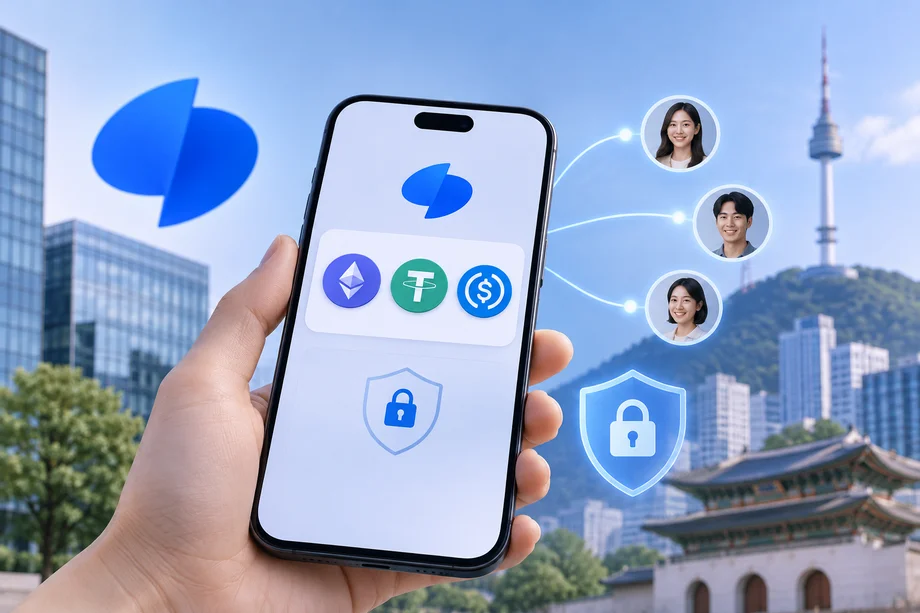
South Korean fintech firm Viva Republica adds ETH, USDT and USDC support inside its main app, with contact-based transfers and no platform fees
South Korean fintech company Toss, operated by Viva Republica, has opened a non-custodial cryptocurrency wallet to its roughly 30 million app users. The service, called Toss Coin Wallet, became available during the week of November 16, 2026, and lets registered users send, receive and view balances of ether, Tether and USD Coin without leaving the familiar Toss interface.
Existing subscribers can create a wallet directly from the Assets section of the app’s home screen. No separate registration or eligibility checks apply. The wallet supports deposits from external exchanges or other wallets, outgoing transfers to external addresses, and in-app viewing of holdings and transaction history.
Supported Assets and Transfer Features
At launch the wallet handles three assets on the Ethereum network: ether (ETH),Tether (USDT) and USD Coin (USDC). Toss selected these tokens for their trading volume and everyday utility in global markets. Transfers settle on the blockchain rather than on an internal ledger.
A central design choice is contact-based sending. When both parties are Toss users, funds can be directed through saved phone contacts instead of requiring the sender to copy a long blockchain address. Users may still send to external wallet addresses when needed. Toss imposes no platform fee of its own; users pay only the standard Ethereum network gas costs.
The non-custodial structure means private keys remain under user control. The company does not take custody of the digital assets.
Background and Expansion Plans
Toss Coin Wallet is the firm’s first consumer-facing digital-asset product. It follows the creation of a dedicated digital-asset technology team earlier in 2026. In July 2026 Toss and Circle, the issuer of USDC, signed a memorandum of understanding covering stablecoin collaboration. Toss Bank separately completed a first-stage overseas remittance test using USDC on the Solana network in November, an experiment distinct from the Ethereum-based wallet.
Earlier in the year the company also ran trials with Optimism and partnered with Gwangju Bank on a stablecoin QR-payment demonstration linked to Toss Place merchant terminals. Those efforts remain separate from the current wallet launch.
Toss has indicated it intends to add more assets and networks once the initial service stabilizes. The company is preparing to seek Virtual Asset Service Provider registration to support broader offerings, including potential stablecoin payments through its network of more than 500,000 online and offline merchant terminals. No timetable has been announced for either step.
Company executives have stated that a move to a custodial model remains under review depending on future regulatory developments in South Korea. Domestic rules for won-backed stablecoins are still under discussion and have not been finalized. The initial wallet supports only ether and the two dollar-denominated stablecoins.
Product Scope at Launch
The first version focuses strictly on sending, receiving and balance checks. It does not include a cryptocurrency exchange, a facility for purchasing tokens with Korean won, or live merchant acceptance of stablecoins at payment terminals. Those capabilities are described as longer-term directions rather than current features.
By embedding the wallet inside an app already used for everyday banking and payments, Toss places dollar stablecoins and ether within reach of a large consumer base that does not need to download a separate crypto application. The service keeps asset custody with the user while routing peer transfers through the same contact list many customers already employ for conventional money movement.
Disclaimer
This article was generated by AI using information from multiple industry sources. It has not been reviewed or verified by a human editor and may contain inaccuracies, omissions, or misinformation. Readers are encouraged to independently verify any information before making decisions based on its content.Tired of the noise?
Let the bots trade for you.
Trade 24/7, without emotion, with data-driven strategies.
Associated articles
Toss Bank Partners with Solana for Stablecoin Remittance Pilot

Breez Unveils Glow: Open-Source Bitcoin Wallet Doubling as Developer Toolkit
Major USDT Transfers Hit Binance and Coinbase on November 1
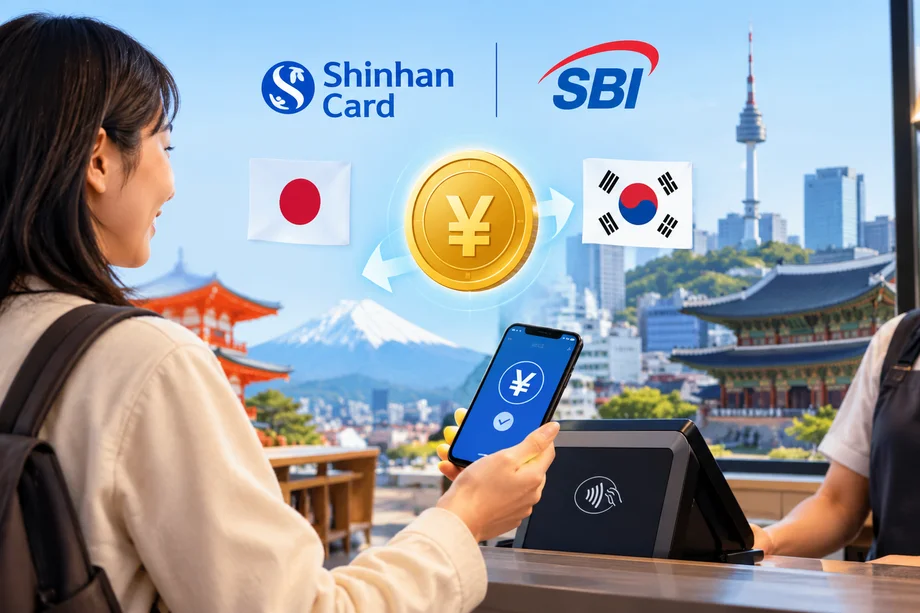
Shinhan Card and SBI Units to Test Yen Stablecoin Payments for Japan-Korea Travel

MoneyGram Launches MGUSD Stablecoin for Global Payments
Latest articles
Strategy Adds 485 Bitcoin While Spending $228 Million on Preferred Share Buybacks
Bitmine Nears 5% of Ethereum Supply With Fresh 7,653 ETH Purchase
Solana Retires Mainnet Beta Label After Six Years, Adopts Protocol Version 1.0
Morgan Stanley Declares Quarterly Dividends Across Multiple Preferred Stock Series