Newsroom
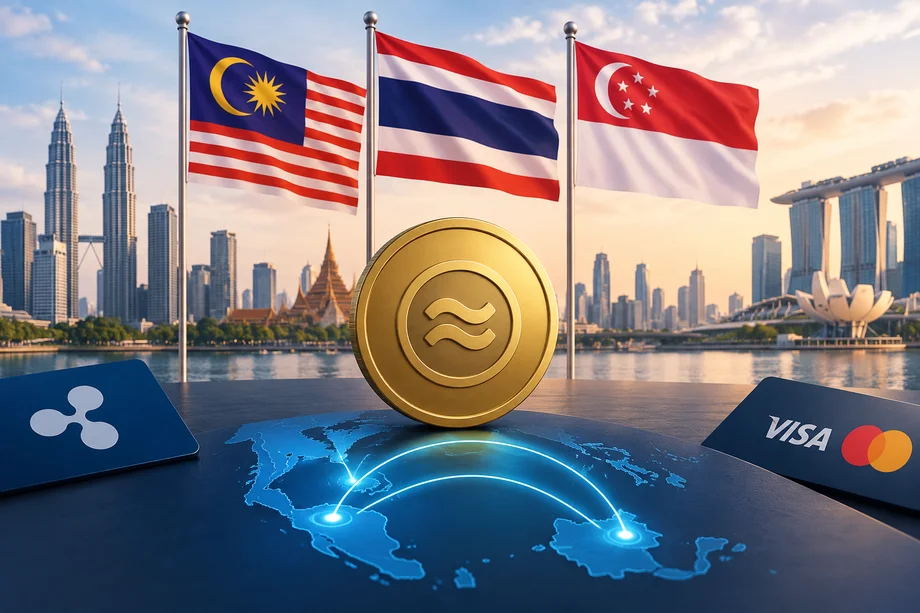
Thailand SEC Proposes Daily Cap Near $151,000 on Stablecoin Transfers
13 September, 2026 / News / AI / Tags: baht, would, thailand, consultation, transfers

Regulator opens consultation on tighter rules requiring same-owner wallets, screening and limits to curb money laundering risks through licensed platforms
Thailand’s Securities and Exchange Commission has launched a public consultation on proposed rules that would restrict stablecoin deposits and withdrawals handled by licensed digital asset operators. The draft measures, released on September 11, 2026, would impose a daily ceiling of five million baht, equivalent to roughly $151,000, on inbound and outbound transfers involving external wallets or foreign platforms.
The proposal requires that stablecoins move only between accounts or wallets verified as belonging to the same customer. Transfers to or from third-party wallets would be prohibited. Operators would also need to apply Travel Rule standards, screen for mule accounts and high-risk wallets, and use blockchain analytics tools to trace flows linked to elevated illegal-finance risks.
Core Transfer Restrictions and Ownership Checks
Under the draft, licensed platforms could accept stablecoin deposits solely from an account or wallet owned by their own customer and could process withdrawals only to another verified account under the same name. This would block the use of regulated operators as intermediaries for sending stablecoins to friends, family members, merchants or other unrelated parties.
The five-million-baht daily limit would apply per customer, per operator and per day for transfers involving private wallets or non-Thai operators. Operators could set a lower practical threshold when a proposed transfer appears inconsistent with a customer’s verified income and financial position. The dollar figure is indicative and may shift with exchange rates.
Transfers between accounts held at Thai-regulated digital asset businesses would remain free of the daily ceiling provided both sides comply with Travel Rule requirements, allowing customer information to pass through the regulated system.
Exemptions for Businesses, Market Makers and Authorized Entities
Several categories would qualify for relief from the daily transfer cap. Businesses moving stablecoins through accounts held in their own names as part of core commercial operations would be exempt. Institutions supervised by the Bank of Thailand could receive case-by-case authorization for specific arrangements. Market makers supplying liquidity to stablecoin-baht trading pairs would also gain an exemption when the transfers serve liquidity-management purposes.
The consultation follows concerns raised by the Bank of Thailand about abnormal transaction patterns involving USDT that may relate to illegal activity or efforts to bypass international money-transfer controls. Officials stated that existing oversight has made it more difficult to track stablecoin movements tied to cybercrime or cross-border flows that avoid conventional banking checks.
Additional Rules for Off-Platform Trades and Liquidity Providers
Digital asset brokers and dealers handling off-platform trades would face a proposed minimum transaction value of three million baht, or about $91,000. These businesses would be required to publish trading prices on their websites or platforms so customers can verify the rates used. Brokers would be barred from arranging direct trades between clients outside the platform and could act only as agents matching orders through an exchange.
Exchanges would need to disclose the market makers supporting liquidity for each asset and conduct ongoing screening of those firms’ asset sources and transaction purposes. For brokers, liquidity providers would be prohibited from participating in stablecoin-to-baht trades. Any liquidity provider used would have to operate under supervision meeting Financial Action Task Force anti-money-laundering standards and would need to be disclosed to clients along with any conflicts of interest. Source exchanges supplying assets to Thai platforms would face comparable screening requirements.
| Rule Area | Proposed Requirement |
|---|---|
| Wallet ownership | Source and destination must belong to the same verified customer |
| Daily transfer cap | Five million baht (roughly $151,000) per person, per operator, per day for external transfers |
| Travel Rule | Applies to both source and destination accounts |
| Screening | Checks for mule accounts, watchlisted wallets and high-risk links |
| Off-platform minimum | Three million baht (about $91,000) with public price disclosure |
Consultation Timeline and Enforcement Powers
Stakeholders may submit comments through the SEC website, Thailand’s central legal consultation portal or designated email addresses until September 25, 2026. No final rule has been issued. The SEC retains the ability to revise, postpone or withdraw elements of the proposal based on feedback.
If adopted, the stablecoin transfer, market-maker, liquidity-provider and off-platform provisions would take effect 60 days after the resulting notification becomes effective. The regulator would also gain clearer authority to order operators to correct compliance gaps within a set period and, if necessary, to direct them to perform or cease specific activities to maintain accurate data reporting.
Thailand is not proposing a ban on stablecoins. The measures focus on how these assets move through licensed platforms, particularly transfers involving third-party or unverified wallets, with the stated goal of reducing risks associated with money laundering, cybercrime and the circumvention of international transfer rules.
Disclaimer
This article was generated by AI using information from multiple industry sources. It has not been reviewed or verified by a human editor and may contain inaccuracies, omissions, or misinformation. Readers are encouraged to independently verify any information before making decisions based on its content.Tired of the noise?
Let the bots trade for you.
Trade 24/7, without emotion, with data-driven strategies.
Associated articles

Thailand SEC Finalizes Crypto Travel Rule Effective February 2027

Ireland Launches First National AML Strategy With Tighter Crypto Wallet Rules

EU to Enforce €10,000 Cash Limit and Stricter Crypto KYC Rules from 2027

Europol Dismantles AudiA6 Crypto Laundering Network Tied to Ransomware Operations
SwissBorg Lists Zcash and Litecoin as Demand Rises Ahead of 2027 EU Privacy Rules
Latest articles
Blockchain Association Presses Congress for Crypto Tax Overhaul Amid Stalled Market Structure Bill

New York AG Seeks $1.37 Billion From NovaTech Founders in Crypto Fraud Case

US Senator Seeks Records on Tether Payments to Firm Tied to Former White House Crypto Adviser

Bitcoin Core Revises Security Policy as AI Tools Simplify Bug Discovery