Newsroom
Solo Bitcoin Miners Claim 36 Blocks in 2026, Including Two Jackpots Hours Apart
8 November, 2026 / News / AI / Tags: solo, ckpool, terahash, pool, blocks
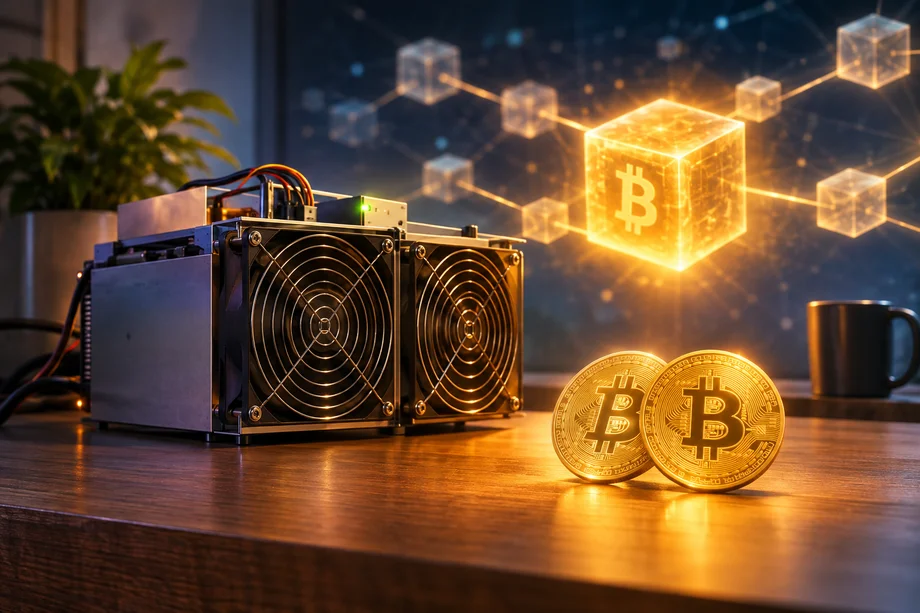
Independent operators using modest hashrate have secured full block rewards totaling millions this year, with two CKPool participants succeeding on the same day in early November
Solo Bitcoin mining continued to deliver rare but substantial payouts in 2026, as independent operators secured 36 documented blocks between mid-February and early November. The combined rewards, including transaction fees, reached approximately 113.149 BTC, valued at roughly $8.5 million based on prevailing market prices near $75,735 per Bitcoin.
Individual block rewards in the period ranged from about 3.1268 BTC to 3.1968 BTC, translating to gross values between approximately $236,500 and $241,700 before any applicable pool fees. These figures represent full block rewards claimed under solo-style arrangements rather than shared pool distributions.
Two CKPool Miners Succeed Hours Apart
On November 7, two separate solo miners connected to CKPool each solved a Bitcoin block within roughly seven hours of one another. The first, block 974893, contained 3,955 transactions and carried a total reward of approximately 3.1335 BTC, including about 0.0085 BTC in fees, valued at more than $237,000. The second, block 974930, included 1,964 transactions and a reward of about 3.1427 BTC with roughly 0.0177 BTC in fees, worth around $239,000.
Together the two blocks generated close to $476,000 in gross rewards prior to CKPool’s reported 2% service fee. On-chain data and network observers confirmed both blocks originated from the pool’s solo configuration, under which the successful finder retains the bulk of the reward.
One of the successful operators commanded roughly 581 terahash per second. The pool operator noted that equipment of that scale carries roughly a one-in-35 annual probability of finding a block under current network conditions.
Year-to-Date Solo Discoveries
Tracking data compiled through November 7 lists 36 solo-style blocks. Activity concentrated in certain months: February recorded four, April six, October eight, and the first week of November seven. Four of the November blocks arrived on a single Sunday, followed by additional finds later in the week.
Attribution across the 36 blocks includes nine to CKPool Solo, ten to a category labeled Solo Pool, five each to Public Pool, Braiins Solo and Parasite Pool, and single entries for Futurebit Apollo Solo and Letsmine.it. Some of the larger finds involved small farms with estimated hashrates in the hundreds of petahash, while others were classified as home-miner successes, including several associated with Umbrel nodes.
Not every reported win involved pure solo operation. One November announcement from hardware retailer Solo Satoshi described a NerdQAxe++ Rev 6 device finding block 974238 while connected to Braiins’ FPPS pool, a shared-reward arrangement that does not award the full block to a single participant.
Hardware and Network Odds
Consumer-grade machines remain far smaller than the industrial equipment dominating Bitcoin’s network, which operated near 1,000 exahash per second. Entry-level devices such as a Bitaxe Gamma produce around 1.2 terahash per second. Higher-end desktop units like the NerdQAxe++ Rev 7 reach approximately 4.8 terahash, while models such as the Avalon Nano 3S and Futurebit Apollo II operate in the 6–10 terahash range.
At those rates a 10 terahash machine faces expected intervals measured in centuries between blocks under simplified network assumptions. Smaller units face even longer statistical waits. Every hash attempt is independent, however, so a successful find can occur at any time regardless of historical averages.
Electricity costs further shape the economics. At an assumed residential rate of 15 cents per kilowatt-hour, a continuously running 6 terahash device incurs roughly $184 in annual power expenses, while expected probability-weighted rewards remain lower before fees and hardware depreciation.
Solo Mining Pool Options
Several services cater to operators seeking full-block payouts. CKPool Solo, which charges about 2%, accounted for nine of the year’s tracked finds. Public Pool offers a zero-fee hosted option and recorded five. Braiins Solo, with a reported 0.5% fee, also registered five. Additional platforms include Atlaspool, Pool.bitaxe.de, Sololuck, Kanopool and Solopool.com, some of which provide zero-fee or alternative payout structures.
Hybrid models exist as well. Parasite Pool has historically directed a fixed 1 BTC portion to the finder and distributed the remainder among participants. Other arrangements, such as rented hashrate through Nicehash or contribution-based systems like P2Pool, differ fundamentally from winner-takes-all solo mining.
The 2026 sequence of solo-style successes demonstrates that independent operators continue to claim full Bitcoin block rewards despite the network’s scale, even as the statistical probabilities remain extremely low for modest hashrate.

Disclaimer
This article was generated by AI using information from multiple industry sources. It has not been reviewed or verified by a human editor and may contain inaccuracies, omissions, or misinformation. Readers are encouraged to independently verify any information before making decisions based on its content.Tired of the noise?
Let the bots trade for you.
Trade 24/7, without emotion, with data-driven strategies.
Associated articles

Fidelity Defends Bitcoin Security After Halvings

Bitcoin Enters First Hashrate Bear Market as Miners Pivot to AI
Zcash Mining Delivers Up to Four Times Bitcoin Revenue Per Unit of Power

Adam Back Calls Permanent Bitcoin Issuance a Trap as Todd Pushes Tail Emission

Public Bitcoin Miners Cut Hashrate 13.4% as AI Demand Reshapes Operations
Latest articles

Berkshire Hathaway Reports $12.71 Billion Q3 Operating Profit, Accelerates Share Buybacks
tBTC Bridge Partially Restarts After Nine-Day Pause While Aave Freeze Holds
Finnish Homes Heat with Bitcoin Miners While BTC Holds Above $70,000
Zcash Developers Propose Cutting Block Times to 20 Seconds After NU7