Newsroom
Senate Banking Committee Poised for Historic CLARITY Act Markup on May 14
9 May, 2026 / News / AI / Tags: markup, clarity, senate, committee, stablecoin
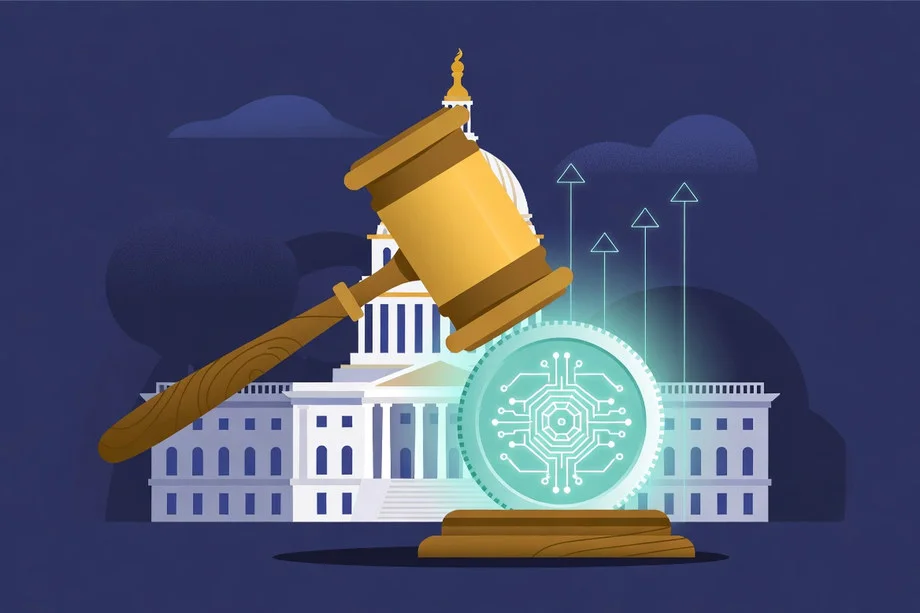
The U.S. Senate Banking Committee is scheduled to hold a markup hearing on the Digital Asset Market Clarity Act (CLARITY Act) on May 14, marking a pivotal moment for cryptocurrency regulation in America
This bipartisan legislation aims to establish clear jurisdictional boundaries between the Securities and Exchange Commission (SEC) and the Commodity Futures Trading Commission (CFTC),ending years of regulatory uncertainty that has hindered innovation and investment.
Breakthrough on Stablecoins Ends Months of Deadlock
The markup follows a key bipartisan compromise reached on May 2 between Senators Thom Tillis and Angela Alsobrooks regarding stablecoin yields. The deal prohibits yields on idle stablecoin reserves while permitting returns from actively deployed reserves in productive financial activities such as lending.
The agreement has been widely welcomed by the industry. Coinbase, a major stablecoin issuer with approximately $19 billion in average USDC balances, saw its stock surge 9.5% following the announcement. The global stablecoin market, currently valued at around $317 billion, stands to benefit significantly from this clarity.
What the CLARITY Act Delivers
At its core, the CLARITY Act seeks to replace "regulation by enforcement" with a transparent rulebook. It would classify digital assets as either securities (under SEC oversight) or commodities (under CFTC jurisdiction),providing much-needed predictability for projects, investors, and businesses.
The bill builds on the House-passed FIT21 framework and earlier Senate Agriculture Committee approval. If enacted, analysts project it could unlock $3-5 billion in new institutional investment within the first year by reducing regulatory risk.
- Clear definitions distinguishing securities from commodities
- Streamlined framework for digital asset market structure
- Stablecoin regulatory guidelines with yield compromise
- Enhanced consumer protections and market integrity measures
Industry and Political Momentum
Coinbase has been actively pushing for the vote, with Vice President of U.S. Policy Kara Calvert highlighting the need for at least 60 Senate votes and strong bipartisan support during Consensus 2026. Coinbase CEO Brian Armstrong publicly urged "Mark it up" following the release of draft text.
Senators Cynthia Lummis and Thom Tillis have been vocal advocates. President Trump has also championed making the U.S. the "crypto capital of the world," aligning with the timing of this legislative push.
Public support remains robust: polls show 70% of voters believe the U.S. should have already passed federal crypto legislation, with 52% specifically backing the Clarity Act. Among crypto holders, 72% indicate they would vote for pro-crypto candidates across party lines.
Remaining Challenges and Investor Implications
While momentum is strong, hurdles remain. Ethics provisions regarding lawmakers trading crypto tokens continue to spark debate, with strong public support for restrictions. Banking lobbies are also advocating for additional consumer protections.
Passing the committee markup is a critical but early step. The bill would still require a full Senate vote, potential reconciliation with the House version, and presidential approval.
For investors, progress on the CLARITY Act signals reduced uncertainty in a $2.6 trillion crypto market. Companies with significant stablecoin exposure or digital asset operations are positioned as key beneficiaries. However, any derailment during markup could trigger short-term volatility.
The United States risks falling behind jurisdictions like the UAE, Singapore, and the UK, which have already implemented clearer frameworks. The CLARITY Act represents a strategic opportunity to restore American competitiveness in digital finance.
Disclaimer
This article was generated by AI using information from multiple industry sources. It has not been reviewed or verified by a human editor and may contain inaccuracies, omissions, or misinformation. Readers are encouraged to independently verify any information before making decisions based on its content.Tired of the noise?
Let the bots trade for you.
Trade 24/7, without emotion, with data-driven strategies.
Associated articles

Trump Backs Ethics Rules, Clearing Path for Senate Vote on CLARITY Crypto Bill

CFTC Prepares Independent Crypto Market Rules as Clarity Act Faces Senate Hurdle

Clarity Act Advances in Senate but Ethics Concerns Stall Crypto Regulation Bill

Senate Advances Clarity Act: Crypto Industry Braces for Landmark Regulatory Vote

Trump Meets Senators to Push CLARITY Act Forward
Latest articles

CoinDCX Confirms Losses After Suspicious $16M Transfers From 2025 Hack Wallets

Robinhood Secures Dubai License for Crypto and Stock Trading, Middle East Launch Delayed to 2027

CZ Warns Crypto Users Over Two Critical PHP Vulnerabilities

Bybit Fintech FZE Receives VARA Licence for Dubai Spot Trading