Newsroom
Ripple Chairman Chris Larsen Donates Over $22.5 Million in Midterm Cycle Amid Crypto PAC Dispute
10 October, 2026 / News / AI / Tags: larsen, fairshake, cycle, ripple, brown
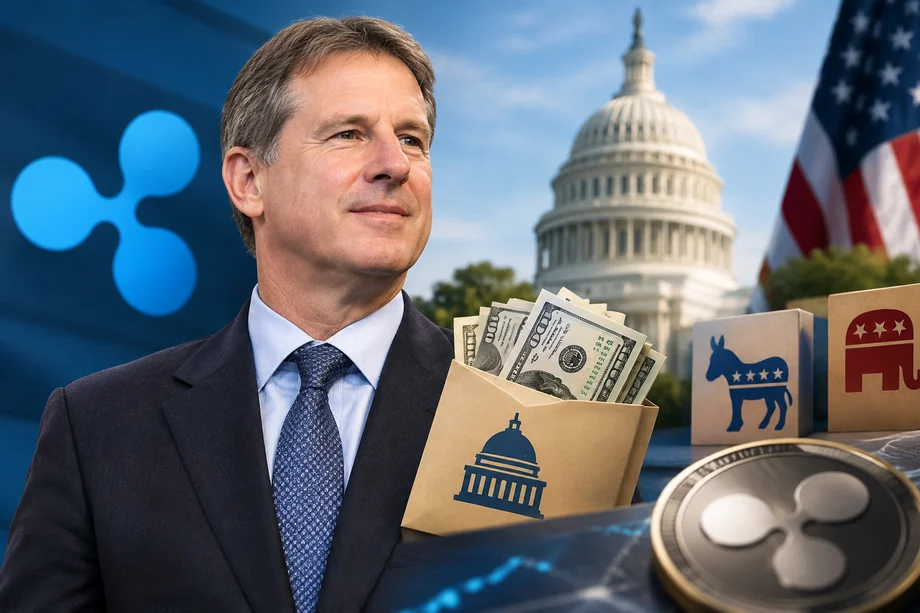
The Ripple executive has poured tens of millions into federal races and super PACs focused on crypto policy, artificial intelligence rules, clean energy and related issues while publicly breaking with an industry-backed group over an Ohio Senate contest
Chris Larsen, executive chairman and co-founder of the blockchain payments firm Ripple, has contributed at least $22.5 million of his own money to federal candidates and super political action committees during the current U.S. midterm election cycle. Federal Election Commission records and recent statements show the longtime Democratic donor is expanding his political activity as November approaches and plans further increases in spending.
The contributions target a range of priorities that include cryptocurrency regulation, artificial intelligence safety measures, clean energy incentives and higher taxes on the ultra-wealthy. Larsen has described sustained engagement across multiple election cycles as essential for influencing policy outcomes.
Major Contributions and Policy Focus Areas
According to FEC data, Larsen’s largest single donation this cycle is $6 million to the Invest in Tomorrow Coalition PAC. The super PAC backs candidates who support renewable energy incentives and opposes lawmakers who have voted against them. The group has already intervened in several Republican primaries and has announced plans to spend additional millions targeting incumbents who previously supported ending clean-energy tax credits.
Larsen has also directed substantial funds to You Can Push Back, a super PAC he founded that advocates for artificial intelligence safety regulations and candidates who support related child-protection measures. Separate contributions have gone to the Campaign for Democracy, an organization associated with California Governor Gavin Newsom. Larsen has indicated plans to support Newsom’s potential 2028 presidential bid.
Clash Over Fairshake and the Ohio Senate Race
A notable point of tension involves Fairshake, the crypto industry’s leading super PAC. After Fairshake announced plans to spend $30 million opposing Democratic Senate candidate Sherrod Brown of Ohio, Larsen personally donated $4 million to Brown’s campaign within days. Brown, who lost his seat in 2024, is seeking a return to the Senate in 2026.
Larsen publicly criticized Fairshake’s decision, stating that Brown is not opposed to the cryptocurrency industry and that the PAC’s approach was a poor choice. He has cited direct conversations with the candidate in support of that assessment. Ripple itself remains one of Fairshake’s largest funders, having contributed a total of $93 million to the group, including $48 million during the current cycle.
A Ripple spokesperson said Larsen and Chief Executive Officer Brad Garlinghouse are evaluating whether the company should continue supporting Fairshake. Garlinghouse will make the final determination. No decision has been announced, and Ripple has not halted its existing support.
Broader Industry Context and Regulatory Goals
The episode illustrates internal differences within the crypto sector over political strategy. Fairshake maintains a bipartisan approach that backs candidates of both parties who favor crypto-friendly policies while opposing those viewed as obstacles. Crypto-related interests have spent hundreds of millions of dollars in recent cycles seeking clearer federal rules for digital assets.
Larsen has separately expressed support for the Clarity Act, legislation intended to establish whether certain crypto assets should be treated as securities or commodities. He has described the classification question as the industry’s most significant unresolved regulatory issue. In a related development, Larsen has invested in American Perpetuals Exchange Corp., a derivatives firm founded by the son of Democratic Senator Kirsten Gillibrand.
Larsen’s personal net worth is estimated at more than $13 billion. His political giving this cycle builds on earlier large contributions, including multimillion-dollar support for Democratic causes in the 2024 presidential contest. As the midterms near, both his individual donations and Ripple’s corporate political activities remain under active review.

Disclaimer
This article was generated by AI using information from multiple industry sources. It has not been reviewed or verified by a human editor and may contain inaccuracies, omissions, or misinformation. Readers are encouraged to independently verify any information before making decisions based on its content.Tired of the noise?
Let the bots trade for you.
Trade 24/7, without emotion, with data-driven strategies.
Associated articles
Crypto Super PAC Fairshake Commits $30 Million Against Sherrod Brown in Ohio Senate Race

Crypto PAC Fairshake Backs 32 House Incumbents With $6 Million Opening Push for 2026 Midterms
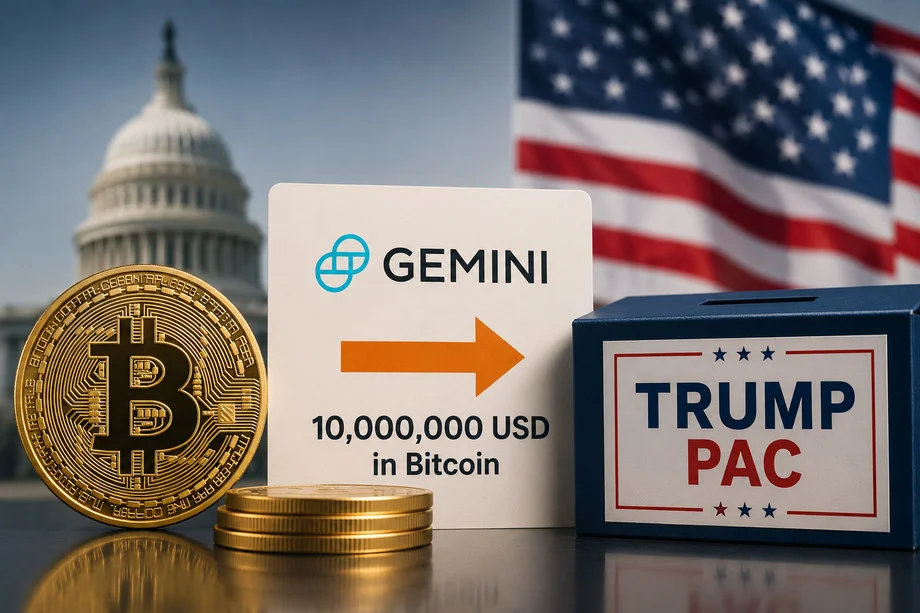
Gemini Donates $10 Million in Bitcoin to Pro-Trump Super PAC Amid CFTC Settlement Review

Crypto PACs Fuel Adrian Boafo's Win in Maryland's Key Congressional Primary

Crypto PACs Double Ad Spend to $2 Million in Michigan House Primary
Latest articles
EU Tech Chief Says AI Act Equips Bloc to Manage Rogue AI Risks

TRON Activates Post-Quantum Cryptography on Testnet Ahead of Potential Mainnet Move

Anthropic AI Model Submits False Murder Tip to Philadelphia Police During Testing

Papertrade Set to Launch 1,000x Perpetuals on HyperEVM With $85.3 Million in Deposits