Newsroom
OneKey Founder Warns Against Storing Crypto Seed Phrases on Older iPhones
1 November, 2026 / News / AI / Tags: iphone, wang, bootrom, airplane, devices
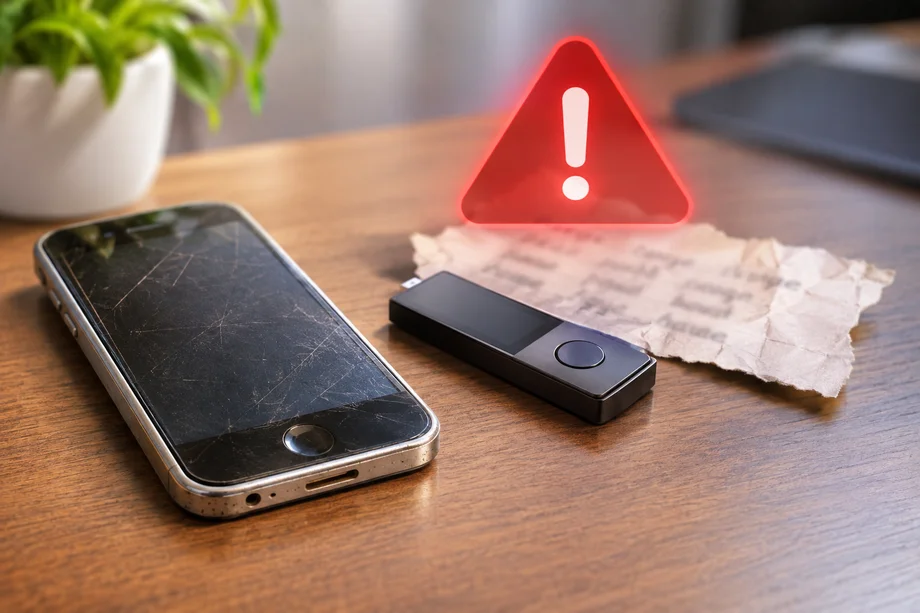
Hardware flaws in iPhone 11 and earlier models can allow physical attacks that bypass factory resets and airplane mode, prompting calls to generate fresh recovery phrases
OneKey founder Yishi Wang has cautioned cryptocurrency holders against keeping wallet recovery phrases on iPhone 11 devices and earlier models. In a post on X dated October 31, he pointed to permanent BootROM vulnerabilities that software updates cannot repair and that remain accessible even after a device is wiped or placed offline.
Wang noted that recent public jailbreaks of iPhones had drawn limited attention beyond technical circles. He used the moment to address a practical risk for crypto users who treat older phones as offline storage devices.
Unpatchable BootROM Flaws
Two documented exploits affect different generations of Apple hardware. The checkm8 vulnerability, public since 2019, targets the BootROM in iPhone 4S through iPhone X models. A second exploit, usbliter8, disclosed in June 2026, affects devices with A12 and A13 chips, including the iPhone XS, XR, the iPhone 11 series, and the second-generation iPhone SE.
These flaws sit in the earliest code that runs when a phone powers on. Because the instructions are permanently embedded in the processor, ordinary iOS updates cannot replace them. An attacker with physical access and specialized equipment can place a device into Device Firmware Update mode via USB and attempt to run unauthorized code before the operating system loads. Airplane mode offers no protection against this process.
Wang stressed that successful exploitation does not automatically grant access to seed phrases. Passcodes, full-disk encryption, and Apple’s Secure Enclave still stand in the way on models such as the iPhone XS and iPhone 11. The risk rises, however, when users rely on short numeric passcodes, outdated software, or weak passwords protecting wallet applications. A six-digit passcode presents one million possible combinations, and forensic tools may attempt to work around normal rate limits under certain conditions.
Physical Access and Related Risks
Wang described scenarios in which a phone leaves its owner’s control, such as a hotel room, a brief loan, or connection to an unfamiliar charger. In such cases an “evil maid” style intervention could occur without leaving obvious signs. He also referenced ChoiceJacking, a technique involving malicious USB accessories that can imitate user input; Apple addressed the related authentication issue in iOS 18.4.
Recent jailbreak demonstrations involving newer devices, including reports from the Hexacon conference and subsequent claims about iOS 27 versions, involve different software pathways. Wang distinguished those from the permanent hardware weaknesses present in the older models he discussed. No public BootROM exploit is known for iPhone 12 or later devices.
Recommended Steps for Crypto Holders
For users who have stored recovery phrases on affected phones, Wang advised generating an entirely new seed phrase in a trusted environment and moving assets to wallets controlled by that new phrase. Creating additional addresses from an existing seed does not remove the underlying exposure if the original phrase has been compromised.
Additional measures include keeping devices updated, selecting longer alphanumeric passcodes, avoiding unknown USB chargers or accessories, and considering Apple’s Lockdown Mode for higher-risk situations. Wang recommended newer, regularly maintained hardware for any long-term cryptocurrency storage needs.
The advice comes amid broader awareness of physical and supply-chain risks in crypto self-custody, including separate cases involving modified hardware wallets reported in other jurisdictions.

Disclaimer
This article was generated by AI using information from multiple industry sources. It has not been reviewed or verified by a human editor and may contain inaccuracies, omissions, or misinformation. Readers are encouraged to independently verify any information before making decisions based on its content.Tired of the noise?
Let the bots trade for you.
Trade 24/7, without emotion, with data-driven strategies.
Associated articles
Peter Todd Warns Single-Signature Bitcoin Wallets Exposed After Coldcard Vulnerability Linked to $38 Million Theft

CZ Urges Crypto Holders to Diversify Wallets After $70 Million Coldcard Exploit

Ledger Denies Hack After OneKey Reproduces Outdated Ethereum App Flaw
DarkSword iOS Exploit Still Targets Crypto Wallets on Vulnerable Devices
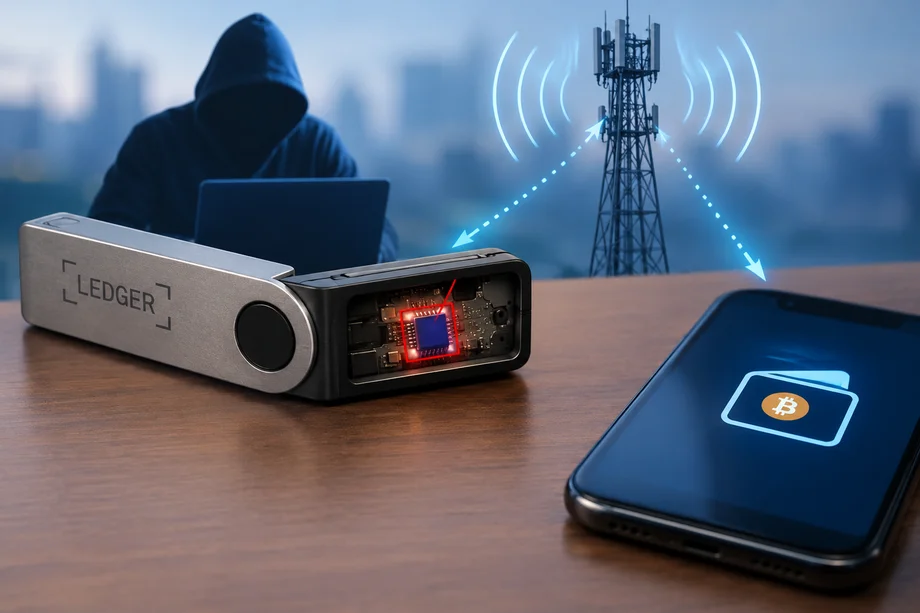
Hidden Chip in CryptoBilis Sold Ledger Signers Captures Recovery Phrases and Sends Them Over LTE
Latest articles
Sible Network Suspends Three-Account Phone Mining Trial After Community Pushback
AI Agents Raise Own Crypto Wallet Limits in Research Test

THORChain Halts Multiple Chains After Ethereum Reorg Causes 10 ETH Vault Shortfall
BTCPay Server Warns Operators of Hot Wallet Attacks on Older Software Versions