Newsroom
Nvidia Stock plunged as Huang Scandal Erupts
12 November, 2026 / News / AI / Tags: nvidia, huang, percent, earnings, november
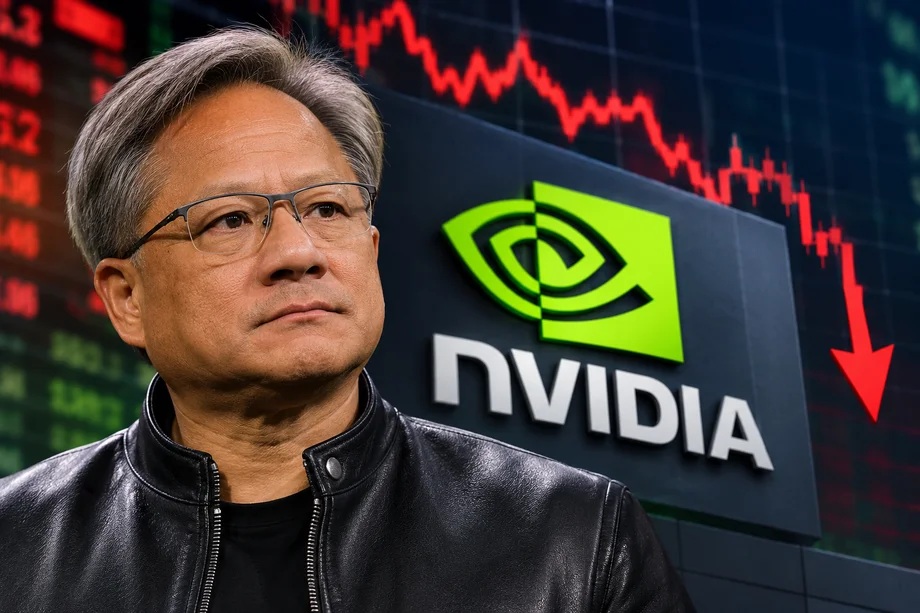
Nvidia shares plunged over 8 percent in premarket trading Thursday after board discussions emerged about the future of CEO Jensen Huang, triggering global tech selloffs and raising fresh questions about leadership stability at the AI chipmaker
Reports Spark Investigation and Price Volatility
Nvidia shares fell more than 8 percent in early trading on Thursday amid reports that the board was weighing options for the CEO's future. The decline came as the company had issued no official announcement regarding any removal or succession plan, leaving investors to assess the potential impact on operations. Shares continued to weaken further on international platforms, with moves reaching around 7.4 percent in one venue by early Thursday.
At the same time, the stock had shown mixed reactions in the days prior. It dropped as much as 5 percent during Tuesday's regular session before rebounding in after-hours trading on Wednesday, only to retreat again in late trading. One analyst noted that the board would need to act decisively if the independent probe confirmed any issues tied to the allegations.
This development followed a November 8 board statement confirming the inquiry while stressing that no confidential information or national security concerns had been identified so far. The probe expanded with the addition of a former federal prosecutor and a prominent law firm, but no findings of wrongdoing had emerged as of the latest updates.
Analyst Reactions and Brokerage Adjustments
Wall Street analysts issued mixed responses to the leadership uncertainty. Baird Research downgraded its rating on Nvidia to neutral and slashed its 12-month price target from $500 to $200, citing limited visibility into data center demand through 2027, potential supply constraints, and slower hyperscaler spending. The firm highlighted that an external successor might have a higher chance of succeeding Huang than an internal candidate.
Other firms adjusted targets without altering their overall bullish stance on the business. Morgan Stanley removed Nvidia from its top picks list after the stock had fallen more than 25 percent since the firm included it in early October, adhering to an internal stop-loss policy. Citigroup cut its price target to $285 from $315, while Wells Fargo lowered its to $300 from $315, both maintaining positive ratings and expectations for strong long-term AI infrastructure growth.
Bank of America also exited Nvidia from its preferred U.S. stock list, though no major change in underlying demand forecasts occurred. The adjustments reflected growing caution around governance and potential export policy shifts but did not derail long-term projections, which some firms saw reaching hundreds of billions in revenue by 2029.
Broader Market Reactions and Leadership Scrutiny
The news sent ripples through global markets, with Nasdaq 100 futures declining 1.2 percent and S&P 500 futures losing 0.5 percent. Technology indexes in Asia suffered sharper drops, including a 2.6 percent decline in Taiwan's benchmark, as investors assessed the implications for the semiconductor supply chain. The MSCI Asia Pacific Index fell 0.9 percent, marking a shift after several days of gains.
Bond yields eased slightly in response to safe-haven demand, with the 30-year Treasury yield dropping 2 basis points to 5.33 percent. Brent crude slipped below $92 per barrel, while the Japanese yen traded near 160 against the dollar. The episode also amplified questions about U.S. chip export controls, with lawmakers renewing efforts to tighten restrictions on sales to China.
Congressional Pressure and Upcoming Earnings
U.S. lawmakers intensified scrutiny, with Republican senators urging Huang to resign over alleged risks including extortion potential tied to his personal relationships. House Foreign Affairs Committee chairs requested a private briefing for November 18, setting a November 11 deadline for Huang to respond or propose an alternative date. A potential subpoena loomed if cooperation faltered, though the request itself did not constitute evidence of misconduct.
Nvidia's third-quarter earnings report, scheduled for November 17 after the close, remains the key near-term catalyst. The company projected continued strength in data center revenue, with fiscal Q2 results earlier showing $96.2 billion in total sales and guidance for roughly $108 billion in the next quarter. AI-related spending has underpinned the narrative of sustained demand, even as governance concerns added volatility.
Investor Sentiment and Recovery Efforts
Despite the initial selloff, which erased roughly $430 billion in market value across two sessions, some buyers returned on Wednesday. Nvidia shares recovered about 3 percent in one session and climbed as much as 5 percent in premarket trading the following day, trading near $176 in early moves. The rebound aligned with positive earnings surprises from Nvidia's AI cloud partner CoreWeave, which reported 168 percent year-over-year revenue growth to $3.66 billion and raised its full-year outlook.
CoreWeave's results highlighted resilient demand for advanced AI hardware, helping offset concerns about broader hyperscaler capex slowdowns. Analysts noted that while timing risks could affect up to 10-30 percent of pre-emptive orders, core business fundamentals remained intact for now. The upcoming congressional hearing and earnings call will likely set the tone for the next phase of trading.
| Event | Details |
|---|---|
| Nvidia Shares Decline | More than 8% premarket on Thursday; up to 10% in late trading on prior day |
| Board Investigation | Independent probe launched with outside counsel; no confirmed ouster |
| Earnings Date | November 17 after close |
| Congressional Briefing | Requested for November 18; deadline November 11 |
| Baird Price Target | Cut to $200 from $500; rating changed to neutral |
| Morgan Stanley Action | Removed from top picks list |
The episode underscores the delicate balance Nvidia maintains between technological leadership in artificial intelligence and evolving governance and regulatory pressures. Investors will monitor developments closely in the days ahead, with the earnings report and any congressional updates expected to drive further price action.

Disclaimer
This article was generated by AI using information from multiple industry sources. It has not been reviewed or verified by a human editor and may contain inaccuracies, omissions, or misinformation. Readers are encouraged to independently verify any information before making decisions based on its content.Tired of the noise?
Let the bots trade for you.
Trade 24/7, without emotion, with data-driven strategies.
Associated articles
Nvidia Board Appoints Former Prosecutor to Lead Probe of CEO Amid Market Plunge
Nvidia Board Launches Probe Into CEO Jensen Huang Over Foreign Intelligence Reports
Nvidia’s $92 Billion Earnings Test AI Infrastructure Boom Amid Rising Costs
SK Hynix Shares Surge After Record $29 Billion Buyback as Bond Yields Ease
SpaceX Stock Rebounds From Record Low as Earnings and $104 Billion Share Unlock Loom
Latest articles

Polymarket Trims Workforce as It Prepares for Possible 2027 IPO

BitMine Reports $6.3 Billion Loss as Ethereum Falls 44% on Treasury Exposures

South Korea to Permit Crypto Exchanges to Freeze Withdrawals on Suspected Hacks

Across Protocol Restores Bridge Site After Domain Hijack Attack