Newsroom
Nvidia Board Appoints Former Prosecutor to Lead Probe of CEO Amid Market Plunge
11 November, 2026 / News / AI / Tags: huang, nvidia, megaspeed, wachtell, lipton
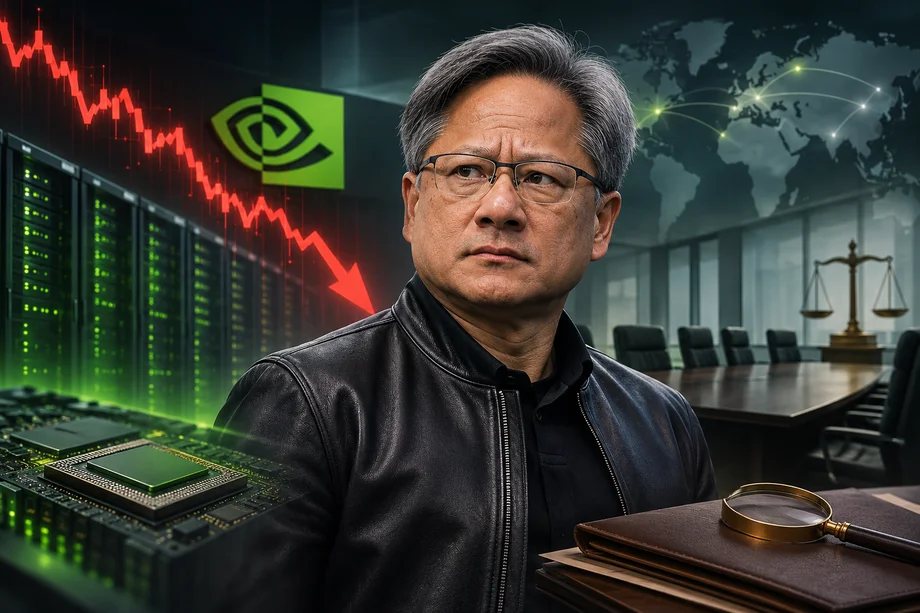
Independent directors retain Joon H. Kim and Wachtell Lipton as shares erase more than $400 billion in value following Huang’s admission of an affair and reports of possible foreign intelligence targeting
Nvidia’s independent directors on Tuesday named former acting U.S. Attorney Joon H. Kim and the law firm Wachtell, Lipton, Rosen & Katz to conduct a thorough investigation into reports that founder and Chief Executive Jensen Huang was targeted by a foreign intelligence effort. The appointment follows Huang’s public admission of an extramarital relationship and a sharp two-day decline in the company’s shares that erased hundreds of billions of dollars in market value.
The board first announced the independent review on November 8 after Huang acknowledged in an internal memo that he had been unfaithful to his wife. “I was unfaithful to my wife. My actions hurt her and our children,” Huang wrote. Nvidia has stated it has no reason to believe national security or company secrets were compromised and that Huang is cooperating fully with the inquiry.
Market Reaction and Governance Questions
Nvidia shares closed down about 5.5 percent at roughly $168.80 on November 10 after a 4.3 percent drop the previous session. The two-day decline wiped out approximately $400 billion to $470 billion in market capitalization and eliminated the stock’s gains for 2026. November is on track to become the company’s weakest month since September 2022.
Market participants described the weakness as driven more by uncertainty over leadership and governance than by any immediate change in demand for Nvidia’s artificial-intelligence chips. Analysts noted the absence of an obvious successor and the concentrated reporting structure in which dozens of executives report directly to Huang. Some estimated the probability of Huang’s departure at around 15 percent, while others argued that Nvidia’s technological position and development ecosystem would remain intact even under different leadership.
The Relationship and Intelligence Allegations
The woman at the center of the matter is Alice Huang, a former executive at Singapore-based data-center firm Megaspeed, a Nvidia customer. The two are not related. U.S. intelligence reporting has alleged that Alice Huang acted on behalf of Chinese intelligence and sought to obtain information or influence related to advanced Nvidia chips. China has denied the accusations.
Reports have also linked the relationship to the movement of Nvidia processors valued at least at $7.5 billion toward Chinese entities through a network of companies. Neither Nvidia nor U.S. authorities have confirmed that any illegal diversion occurred or that Huang knowingly participated in prohibited activity. Earlier company reviews of Megaspeed found no evidence of diversion, according to prior statements by Nvidia.
Huang withdrew from several public appearances, including an ElevenLabs summit in New York scheduled for November 11 and the Anthropic CEO Forum. He returned to Nvidia’s Santa Clara headquarters and continued leading regular senior-executive meetings, apologizing briefly to staff before moving to business matters. Employees described the internal atmosphere as subdued.
Congressional and Legal Pressure
House Foreign Affairs Committee Chairman Brian Mast and two other Republican committee chairs have requested a closed-door briefing from Huang on November 18, one day after Nvidia is scheduled to report quarterly results. Mast indicated he was prepared to issue a subpoena if Huang did not respond by November 11. Separately, some lawmakers and commentators called for Huang to step aside while investigations proceed, citing potential risks of compromise or extortion involving sensitive chip technology.
President Donald Trump said he had spoken with Huang, who denied any knowledge that the woman was connected to intelligence activity. Trump also confirmed that the FBI is examining aspects of the matter. Senate Democratic Leader Chuck Schumer criticized the administration for not acting earlier on related intelligence.
A shareholder, Mark Kistenmacher, filed a proposed class-action lawsuit in the Northern District of California. The complaint alleges that Nvidia and Huang made misleading statements about dealings with Megaspeed and failed to disclose material risks tied to the relationship, artificially inflating the share price between October 9, 2025, and November 8, 2026. The suit seeks unspecified damages under securities laws.
Investigation Details and Company Structure
Kim previously served as acting U.S. Attorney for the Southern District of New York and co-led an independent investigation into sexual-harassment allegations against former New York Governor Andrew Cuomo. Wachtell Lipton is known for high-stakes corporate investigations and crisis work. The board has given no public timetable for the review, though some legal observers expect it could take months.
Nvidia’s 11-member board includes Huang. Several other directors have served for more than a decade. Huang oversees a relatively flat organization with no publicly identified second-in-command. The company has said leaders of its core businesses continue to report to him and that operations remain focused on business priorities ahead of the November 17 earnings release.
Communications staff were instructed earlier to involve an outside crisis firm on inquiries related to Huang, following prior media coverage of Megaspeed’s chip purchases. Huang had retained crisis-communications support at least a year before his November admission.
The independent investigation, congressional requests, shareholder litigation, and FBI review now form parallel tracks examining whether the personal relationship created any exposure of proprietary information, violated export controls, or otherwise affected Nvidia’s business or national-security posture. No charges have been filed against Huang, and the company continues to express confidence in his leadership while the process unfolds.

Disclaimer
This article was generated by AI using information from multiple industry sources. It has not been reviewed or verified by a human editor and may contain inaccuracies, omissions, or misinformation. Readers are encouraged to independently verify any information before making decisions based on its content.Tired of the noise?
Let the bots trade for you.
Trade 24/7, without emotion, with data-driven strategies.
Associated articles
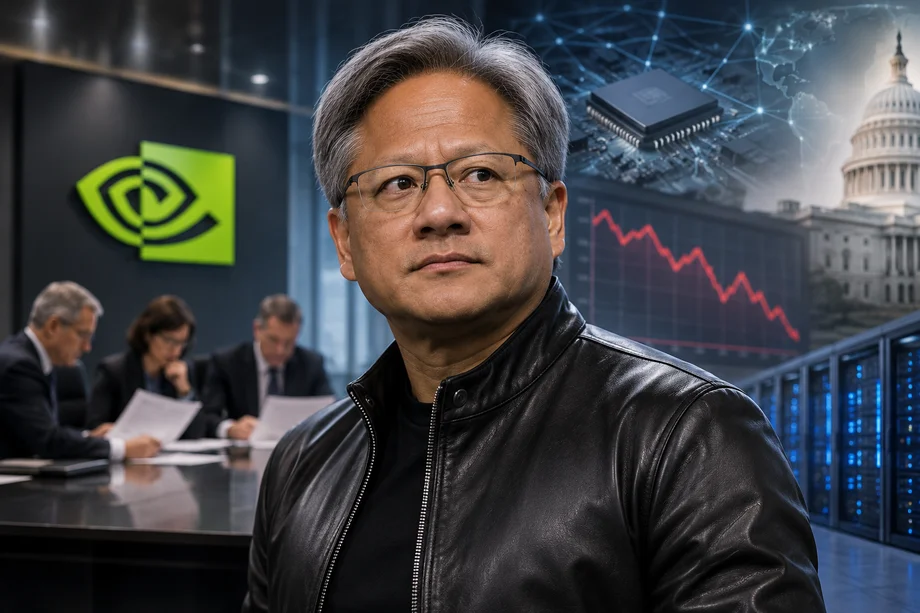
Nvidia Board Launches Probe Into CEO Jensen Huang Over Foreign Intelligence Reports

Bithumb CEO Named Bribery Suspect in Lawmaker Hiring Scandal

US Prosecutors Seek $61 Million Forfeiture of Crypto Linked to Iranian Oil Sales

Thai Businessmen Sue Tether Over $42.4 Million USDT Freeze Before Warrant
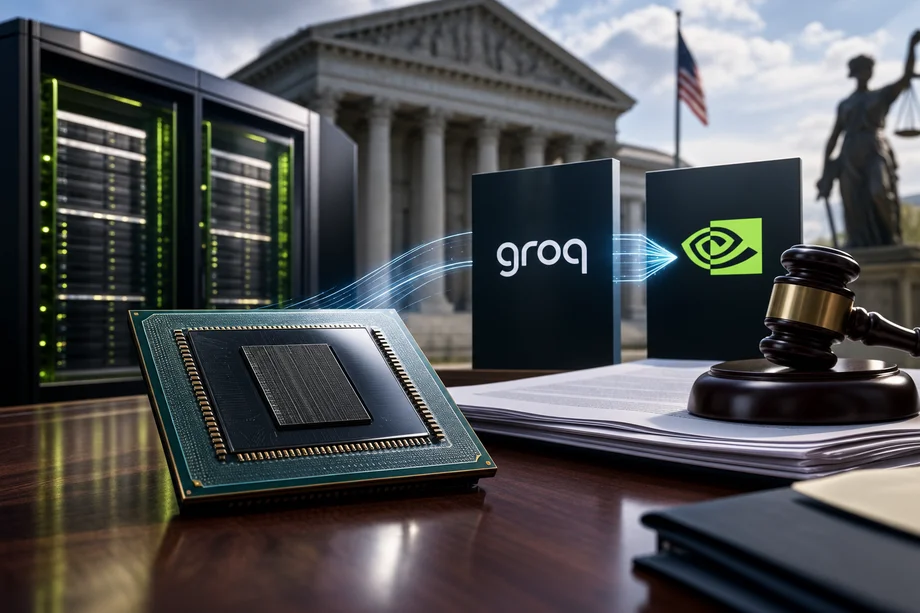
Former Groq Engineers Sue Board Over $20 Billion Nvidia Licensing Deal
Latest articles

Apex Group Joins Hedera Council to Advance Institutional Tokenization
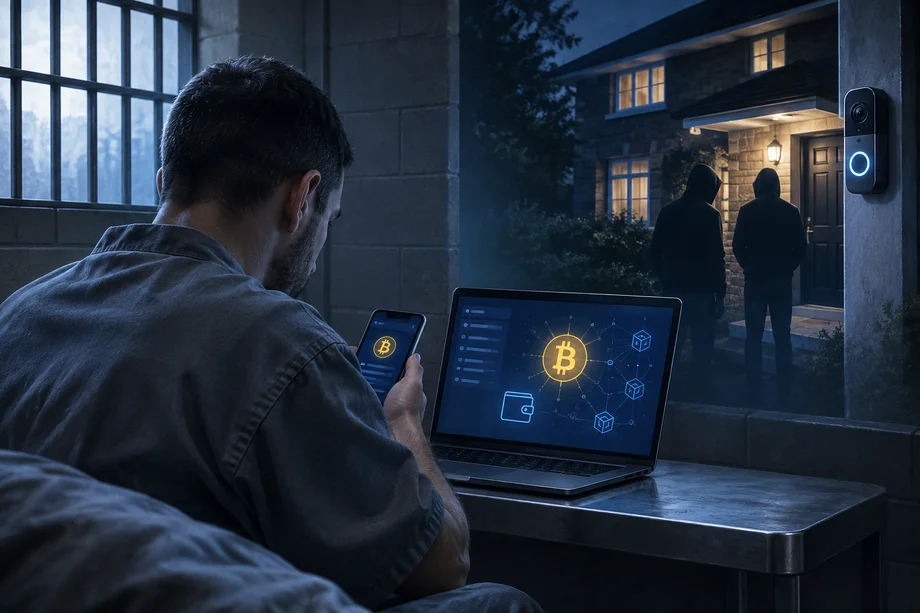
Scottish Court Jails Robert Barr for Eight Years Over $2.7 Million Crypto Theft Plot From Prison

Forward Industries Boosts Solana Holdings to 8.7 Million Tokens Amid Price Decline
Helius Launches Privacy Rings on Solana Mainnet for Encrypted Transfers