Newsroom
Microsoft, Alphabet and Goldman Sachs Join 16 Issuers Objecting to OKX-ICE Tokenized Stock Plans
21 October, 2026 / News / AI / Tags: okx, tokenized, objections, cuomo, companies
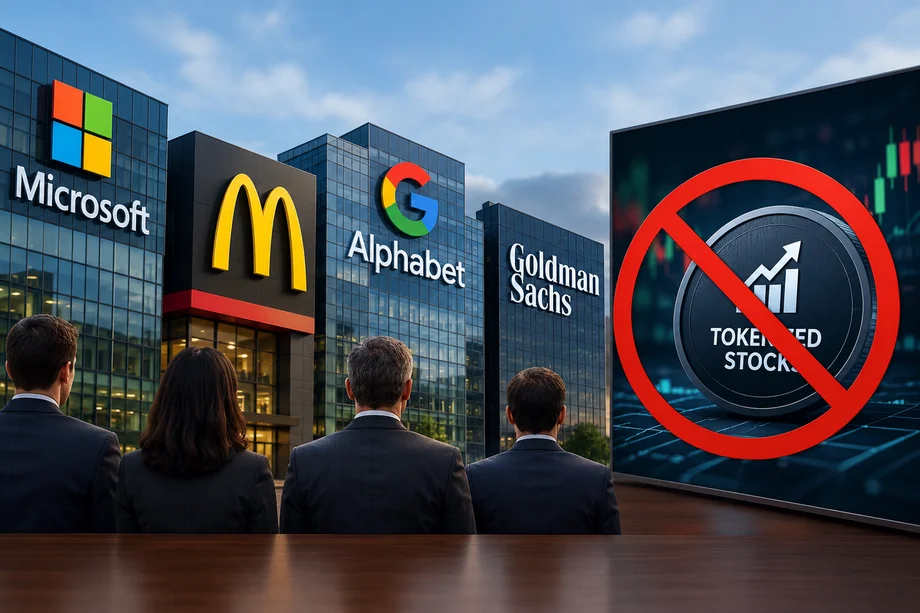
More than a dozen major companies have formally opposed tokenized trading of their shares on the new 24/7 platform, complicating efforts to extend stock market hours globally
Corporate Resistance Grows Against OKX-ICE Tokenized Stock Venue
An updated public notice from OKX-ICE has documented objections from 16 U.S.-listed companies to the inclusion of their shares on the proposed tokenized securities trading platform. The joint venture between cryptocurrency exchange OKX and Intercontinental Exchange, parent of the New York Stock Exchange, faces setbacks as major firms step back from the initiative.
The latest additions include Microsoft, Alphabet, Goldman Sachs, Qualcomm, Caterpillar, McDonald’s and Western Digital. This brings the total from nine issuers who objected in an earlier filing on October 15. Neither notice provides specific reasons for the objections, nor does it confirm whether the companies oppose the broader concept of tokenization.
The platform aims to deliver continuous trading through permissioned liquidity pools built on OKX’s X Layer blockchain. Each tokenized stock would maintain a one-for-one backing by the underlying share held via a registered broker-dealer, ensuring holders receive the same dividend payments and voting rights as traditional shareholders.
Tokenization Platform Operates Under SEC Innovation Framework
OKX-ICE plans to run its venue around the clock, settling trades in stablecoins such as USDC, USDT and USDG. The setup departs from traditional exchange rules, operating without full compliance with Regulation NMS or consolidated tape reporting requirements. This structure draws on a temporary five-year SEC exemption introduced in September, which permits qualifying venues to facilitate on-chain trading of U.S. stocks.
Issuers receive advance notice before their shares appear on the platform. Under the exemption, a company can formally object within 30 calendar days, preventing that particular venue from offering its tokenized shares. The mechanism gives corporations a direct say in participation without blocking tokenized versions elsewhere.
OKX-ICE’s earlier proposal covered shares from more than 60 U.S.-listed companies. Roughly one-quarter of those have now raised objections, according to updated filings. The venue’s public notice dated October 19 also notes a slight adjustment: it may include stocks tokenized by the issuers themselves, not just third parties unaffiliated with the companies.
High-Profile Firms Voice Opposition
Major blue-chip names have joined the list of objectors, including former standouts such as Broadcom, Verizon, UnitedHealth Group, CoreWeave, Rocket Lab, Cerebras Systems, AppLovin, Applied Digital and Applied Optoelectronics. Some of these earlier filers have highlighted potential effects on share prices, liquidity and volatility, along with risks of investor confusion if tokenized shares appear on the platform.
The objections come despite the platform’s model relying on genuine, share-backed tokens rather than synthetic derivatives. No evidence indicates the companies seek to halt all blockchain-based stock trading; their notices target this specific venue and structure.
Co-Chair Defends Round-the-Clock Trading Ambitions
There are going to be a lot of companies that say ‘we don’t want to be the first, we wanna see how it goes’ [...] that is 100% to be expected, and there will be more.
Andrew Cuomo, co-chair of OKX-ICE and former New York governor, addressed the growing list of objections during a press conference on October 20. He described the SEC’s temporary regulatory framework as an experiment that lets companies decide whether to participate in 24/7 tokenized markets. The former leader noted that stock trading has long been confined to traditional hours, even in a connected global economy.
“This is a 24-seven world,” Cuomo stated, framing the platform’s nonstop operation as a natural evolution. He added that some issuers might prefer to observe before committing, viewing the current notices as part of the expected testing phase rather than outright rejection.
Challenges for Tokenized Equities on Wall Street
The corporate objections highlight a key tension in the tokenization push. While the technology could extend trading beyond conventional market hours and enable stablecoin settlement, corporate preferences remain influential. Issuers control the underlying securities, and their consent—or lack thereof—can shape adoption.
Other traditional exchanges, including Nasdaq, have indicated they will opt out of the SEC exemption framework. The exchange has cited concerns over real-time pricing, trade reporting and transparency when activity falls outside established market systems. Analysts have noted that tokenized stock markets currently face questions around liquidity and volatility, even as real demand emerges.
OKX-ICE’s updated filing does not detail the companies’ motivations, leaving the door open for future participation if conditions change. The venue continues to develop its infrastructure, but the resistance from prominent firms underscores that technological capability alone will not drive widespread uptake of tokenized equities.
Disclaimer
This article was generated by AI using information from multiple industry sources. It has not been reviewed or verified by a human editor and may contain inaccuracies, omissions, or misinformation. Readers are encouraged to independently verify any information before making decisions based on its content.Tired of the noise?
Let the bots trade for you.
Trade 24/7, without emotion, with data-driven strategies.
Associated articles

Nine Firms Object to Tokenized Share Trading on OKXICE Platform
OKXICE Submits SEC Filing for 24/7 Tokenized NYSE Stocks Under New Exemption

Securitize Brings Major U.S. Stocks to Solana for Eligible Investors

SEC Grants Five-Year Innovation Exemption for Onchain Tokenized Stock Trading

SEC Delays Tokenization Exemption and Cancels Crypto Rules Meeting Amid CLARITY Act Talks
Latest articles

UK Banks Face Thousands of Complaints Over Crypto Transfer Restrictions
Ripple Backs SEC Proposed Crypto Asset Rules After $150 Million Legal Battle
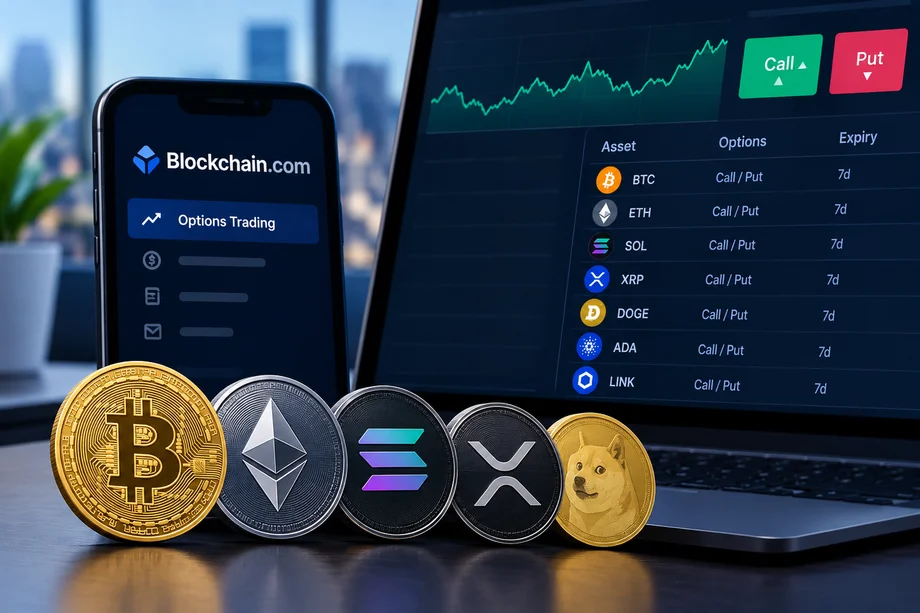
Blockchain.com Introduces Options Trading on Seven Major Crypto Assets
Solana Activates Alpenglow Upgrade for Sub-Second Transaction Finality