Newsroom
Jupiter Lend Faces Liquidity Crunch Delaying USDC Withdrawals on Solana
30 October, 2026 / News / AI / Tags: jupiter, usdc, crunch, liquidity, earn
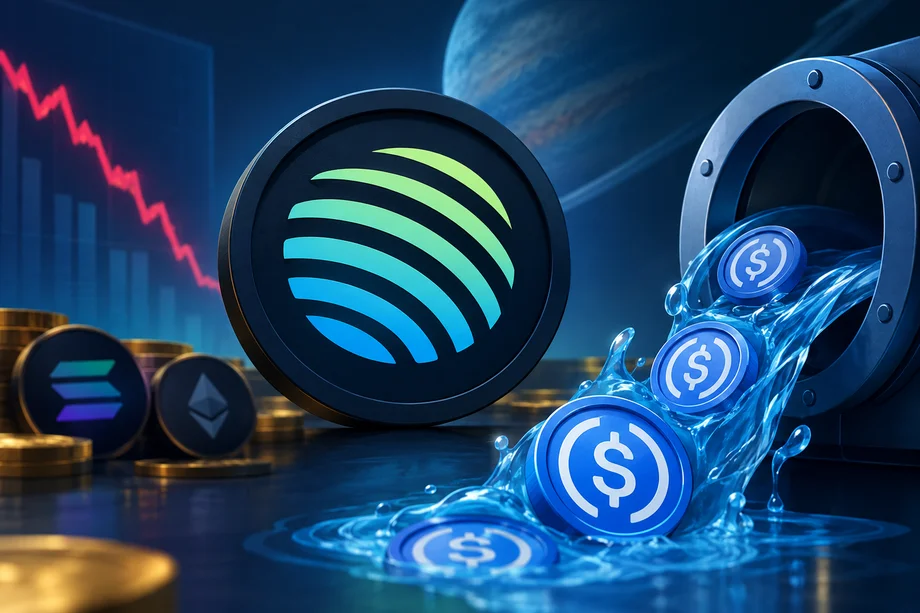
Users encounter temporary withdrawal limits as available cash in the main USDC vault drops to minimal levels amid market volatility, with the protocol stating all funds remain safe
Jupiter Lend, the Solana-based decentralized lending protocol, reported a liquidity crunch on October 30, 2026, that delayed some user withdrawals from its Earn product. The issue centered on limited immediate liquidity in key stablecoin vaults even as total deposits remained substantial.
Jupiter Earn, which manages the deposit side of the protocol, stated that broader market conditions had tightened available funds. Withdrawal processing would resume once new deposits arrived or borrowers repaid loans, replenishing the pool of idle capital. The team described the situation as a normal response during periods of market stress and confirmed the protocol continued to operate as designed with all user funds secure.
Scale of the Immediate Shortfall
Public data from the protocol’s systems showed a sharp gap between total deposits and funds available for instant withdrawal. One snapshot recorded approximately 418.5 million USDC in Earn deposit claims against only 3.35 USDC immediately withdrawable. Later readings placed the USDC vault balance near 419.6 million USDC with roughly 7,900 USDC free, while an afternoon check showed about 413.7 million USDC held and just 8.44 USDC available for withdrawal.
These figures represented the cash on hand at specific moments rather than total insolvency. Most deposited assets were actively lent out through borrowing and related products, meaning liquidity depended on loan repayments or fresh inflows to free capital for outgoing requests.
| Metric | Approximate Value (USDC) |
|---|---|
| Total deposits / claims in USDC vault | 413.7 million to 419.6 million |
| Immediately available (various snapshots) | 3.35 to 8.44 |
No Direct Link to Binance Incident
Jupiter Lend and Jupiter Earn separately confirmed they held no exposure to Binance and suffered no losses from the exchange’s recent security incident. The liquidity pressure was attributed to market-wide reactions and reduced activity rather than any direct connection to that event. Commentators noted the distinction, observing that while the Binance situation had increased overall caution and volatility, it did not cause the Earn withdrawal constraints.
Jupiter operates as a decentralized finance platform enabling users to lend and borrow cryptocurrencies. In such systems, liquidity can tighten rapidly when market conditions shift and borrowers hold positions longer or depositors seek to exit. The protocol indicated it would continue monitoring developments while emphasizing the temporary nature of the constraint.
Path to Restoring Access
Resolution depended on organic restoration of liquidity. New user deposits and loan repayments were identified as the primary mechanisms to rebuild the available balance and clear pending withdrawal requests. No fixed timeline was provided for full normalization, though the protocol expressed expectation that conditions would improve soon.
Later the same day, Jupiter Earn reported that the liquidity crunch had ended. USDC withdrawals became available again after liquidity was replenished and utilization levels declined. The episode illustrated how lending protocols can experience short-term cash constraints even when overall solvency remains intact during periods of heightened market stress.

Disclaimer
This article was generated by AI using information from multiple industry sources. It has not been reviewed or verified by a human editor and may contain inaccuracies, omissions, or misinformation. Readers are encouraged to independently verify any information before making decisions based on its content.Tired of the noise?
Let the bots trade for you.
Trade 24/7, without emotion, with data-driven strategies.
Associated articles

Term Labs Suffers Estimated $8.5 Million Loss in Governance Attack on Lending Vaults

Elon Musk Warns Superintelligent AI Agents May Seize Crypto Independently After Binance Breach

Kraken in Talks for 15% Stake in Aave at $385 Million Valuation

AVICI Token Plunges as Solana Neobank Faces Card Withdrawal Drain

Coinbase Rolls Out Fixed-Rate Bitcoin-Backed USDC Loans via Morpho Midnight
Latest articles

Chevron Profit Nearly Triples to $9.9 Billion as Refining Hits Record Levels
Elon Musk Warns Superintelligent AI Agents May Seize Crypto Independently After Binance Breach
Binance Confirms EIP-7702 Use in Record $6.3 Billion Hot Wallet Theft
Aave Freezes 292 Lending Reserves After Binance-Linked Wallet Borrows Against Stolen USDT