Newsroom
IMF Calls for Stronger Controls on Brazil’s Surging Stablecoin Activity
28 July, 2026 / News / AI / Tags: brazil, imf, foreign, brazilian, stablecoins
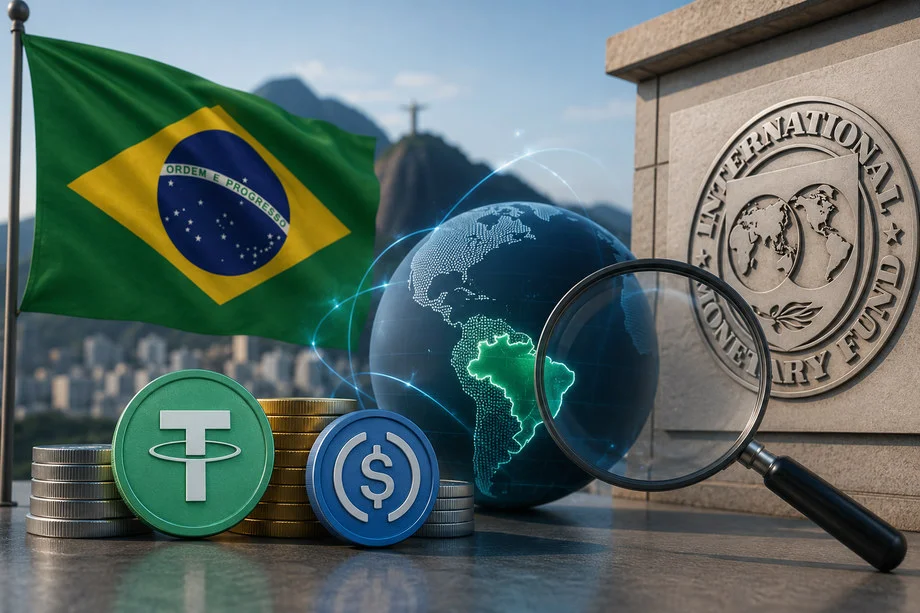
Cross-border crypto flows in Brazil now exceed traditional capital movements, driven by dollar-linked stablecoins, prompting the IMF to urge tighter rules on asset protection and compliance
The International Monetary Fund has warned that Brazil’s cryptocurrency market, especially activity involving US dollar-pegged stablecoins, has expanded rapidly since 2017 and requires closer supervision. According to the fund’s latest Financial System Stability Assessment, cross-border crypto transactions are growing faster than conventional capital flows such as portfolio investment and foreign direct investment.
Stablecoins have become a central driver of this expansion. The assessment found that purchases of these tokens respond two to three times more strongly to global market swings than traditional investment channels. Factors influencing demand include movements in the S&P 500, the VIX volatility index, bitcoin prices, exchange rates, interest rates and shifts in tax policy.
Companies and retail users have turned to stablecoins for lower transfer costs and certain tax advantages. The IMF noted that these digital assets now form tight links with Brazil’s traditional financial system, raising the stakes for effective oversight.
Regulatory Gaps Identified
Brazil’s central bank, Banco Central do Brasil, has already introduced measures covering crypto asset service providers. However, the IMF identified remaining shortfalls in several areas. These include legal protections for customers, clear rules for the segregation of assets held in custody, standards for stablecoin issuance, and full compliance with anti-money laundering and counter-terrorist financing requirements.
In particular, the fund pointed to incomplete enforcement of the Travel Rule, which governs the sharing of information on fund transfers. Closing these gaps, the assessment argued, will demand stronger cooperation and reporting arrangements between Brazilian authorities and foreign supervisors.
Recent Central Bank Measures
In April, Banco Central do Brasil issued Resolution BCB No. 561, which updated rules for electronic foreign exchange providers. The resolution bars the use of digital assets for certain international payment and transfer services. Payments and receipts between these providers and foreign counterparties must now take place through formal foreign exchange transactions or movements in non-resident Brazilian real accounts.
The measure separates regulated cross-border settlement channels from broader crypto trading and stablecoin transfers that occur outside those supervised systems. Transitional provisions allow firms still seeking authorization to continue operating under the same restrictions until the end of May 2027, provided they apply for approval in time.
Legislative Efforts Underway
Brazilian lawmakers are examining Bill 4308/2024, which aims to set clearer legal boundaries for stablecoins. Industry participants have voiced opposition to treating these tokens as electronic money. The IMF assessment arrives as dollar-backed stablecoins continue to account for a large share of crypto activity in the country, even while authorities refine the rules governing their interaction with the formal financial system.
The fund did not recommend restricting stablecoin use. Instead, it stressed the need to strengthen the overall framework so that growing integration between digital assets and traditional finance does not create new vulnerabilities for market integrity or investor protection.
Disclaimer
This article was generated by AI using information from multiple industry sources. It has not been reviewed or verified by a human editor and may contain inaccuracies, omissions, or misinformation. Readers are encouraged to independently verify any information before making decisions based on its content.Tired of the noise?
Let the bots trade for you.
Trade 24/7, without emotion, with data-driven strategies.
Associated articles

Brazilian Banks Broaden Crypto Access as Market Hits $98.7 Billion
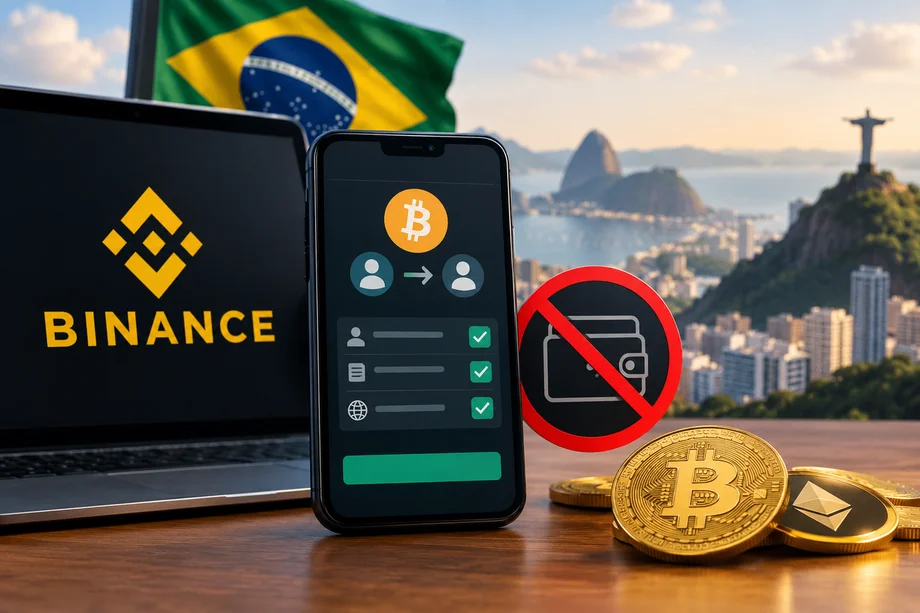
Binance Requires Purpose and Counterparty Details for Brazilian Cross-Border Crypto Transfers From Nov. 1

US Slaps 25% Tariffs on Brazil Targeting Pix Payment System

EU Prepares MiCA Changes to Handle Non-EU Stablecoin Issuers

BIS Warns $316 Billion Stablecoin Market Threatens Global Monetary System
Latest articles
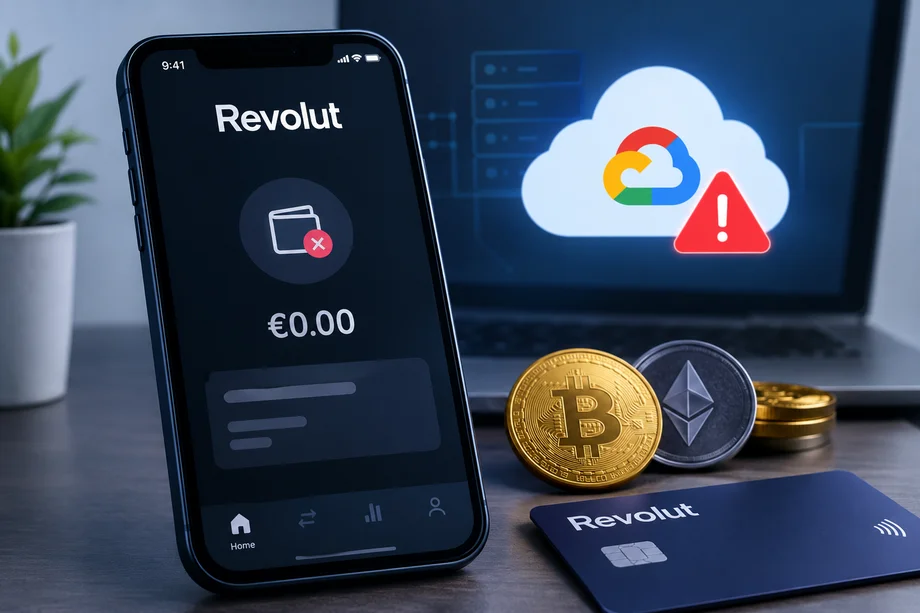
Revolut Services Disrupted by Google Cloud Power Event in London
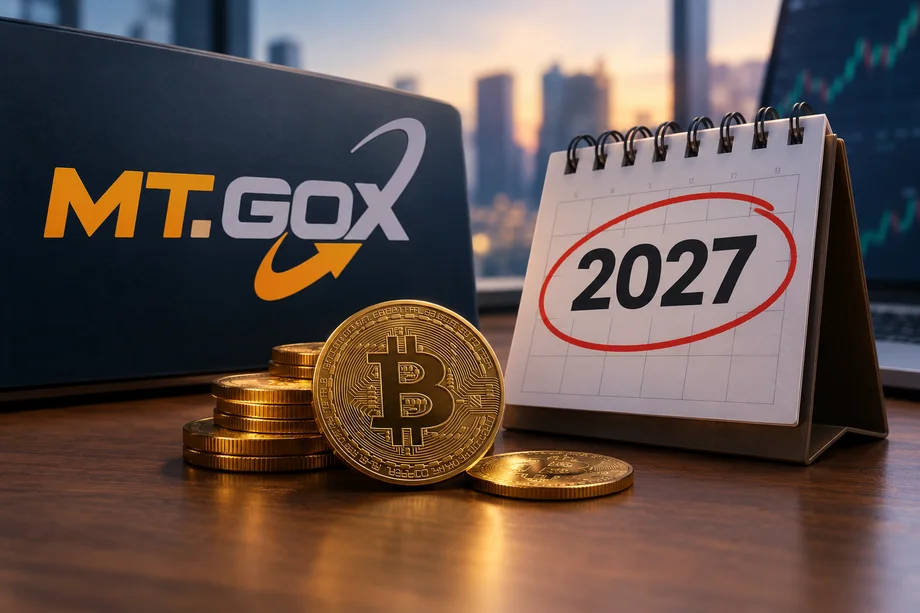
Mt. Gox Trustee Extends Creditor Repayment Deadline to October 2027

JPMorgan Forecasts 10% Annual Bitcoin Returns, Surpassing Stocks and Gold Over Next Decade

Bitget Plans Acquisition of Licensed Thai Crypto Exchange to Enter Local Market