Newsroom
House Unveils Digital Asset Tax Certainty Act Ahead of Committee Markup
15 September, 2026 / News / AI / Tags: tax, markup, committee, digital, taxation
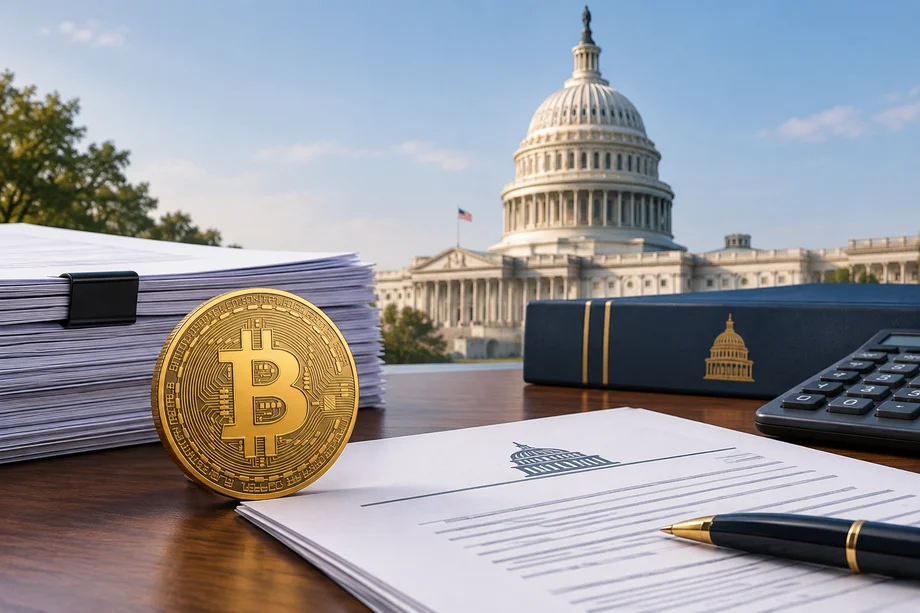
The 114-page measure, H.R. 10357, sets rules for network fees, mining, staking and wash sales, with a Ways and Means review scheduled for September 16.
The House Ways and Means Committee released a comprehensive 114-page cryptocurrency tax bill late Monday, positioning the measure for a full committee markup on Wednesday, September 16. Titled the Digital Asset Tax Certainty Act, or H.R. 10357, the legislation is sponsored by committee Chairman Jason Smith, a Missouri Republican, and seeks to overhaul how the Internal Revenue Code addresses digital assets.
The bill consolidates provisions drawn from earlier bipartisan proposals, including work by Representatives Steven Horsford of Nevada and Max Miller of Ohio, as well as several Republican-led drafts examined during a June legislative hearing. That hearing featured testimony from representatives of Fidelity Investments, Coinbase and academic tax experts. Lawmakers have spent months reviewing taxation of blockchain-specific activities that lack clear parallels in traditional finance.
Core Provisions of the Legislation
A central feature is a de minimis exemption for network and transaction fees. Under the proposal, fees under $10 would not trigger taxable gain or loss recognition. The exemption would not apply to any taxpayer who engaged in more than 5,000 transfers during the prior year, leaving high-volume traders and automated strategies subject to existing reporting requirements.
The measure extends wash-sale rules and other anti-abuse provisions to digital assets while carving out qualified U.S. dollar stablecoins. It also establishes clearer guidance on the character and source of income from mining and staking, including cross-border sourcing rules. Additional sections address simplified accounting methods for widely traded digital assets, tax treatment of crypto lending arrangements, ownership determination for disposition of tokenized assets, and broker reporting obligations.
Taxpayers who previously failed to report digital-asset transactions correctly would gain access to a Digital Asset Voluntary Disclosure Program. Participants would still be required to remit outstanding taxes and interest. The bill further directs the Treasury secretary and the Internal Revenue Service to issue implementing regulations as needed.
Timing and Legislative Outlook
Committee markup is set for 10 a.m. Eastern Time on September 16 and is expected to consider the crypto package alongside other tax and healthcare measures. The release comes one day before a scheduled vote on the separate CLARITY Act, which addresses broader market-structure issues for digital assets.
Although the markup represents the most advanced congressional action to date on digital-asset taxation, passage of the bill into law before the end of 2026 faces significant hurdles. The House is scheduled to recess later this week until after the November elections, leaving limited floor time for further consideration.
Earlier drafts circulating in June included options for miners and stakers to defer recognition of newly created tokens until sale. Those deferral elements appear narrowed or subject to ongoing discussion among Republican members, who have weighed removal or a five-year limit. Revenue estimates attached to related anti-abuse and stablecoin provisions project modest fiscal effects over the coming decade, though final Joint Committee on Taxation scoring for the consolidated text has not yet been released.
The Digital Asset Tax Certainty Act focuses on practical administration of rules unique to blockchain activity rather than full parity with securities or commodities. Its advancement through Ways and Means will determine whether Congress can deliver clearer compliance standards for digital-asset holders before the current legislative session ends.
Disclaimer
This article was generated by AI using information from multiple industry sources. It has not been reviewed or verified by a human editor and may contain inaccuracies, omissions, or misinformation. Readers are encouraged to independently verify any information before making decisions based on its content.Tired of the noise?
Let the bots trade for you.
Trade 24/7, without emotion, with data-driven strategies.
Associated articles
House Tax Panel Advances First Federal Crypto Tax Framework After Senate Setback

Blockchain Association Presses Congress for Crypto Tax Overhaul Amid Stalled Market Structure Bill

Lummis Warns CLARITY Act Failure Could Delay U.S. Crypto Rules Until 2030

Saylor Says Bitcoin Needs No Clarity Act as Senate Delays Crypto Bill Vote

Illinois Issues Draft Rules for 0.2% Digital Asset Tax Covering Stablecoins and Select DeFi Activity
Latest articles

Mysterious Poems Repeatedly Appear on Bitcoin Blockchain Over 12 Days

Arthur Hayes Closes Maelstrom Positions With $22.28 Million Token Sales

Global X Canada Sets Monthly Distributions Across Four ETFs

IRS Plans Lower Penalties and Faster Resolutions for Voluntary Tax Disclosures, Including Crypto