Newsroom
Harmony Proposes Full Shutdown of Layer-1 Network and ONE Token Shift to Ethereum
7 September, 2026 / News / AI / Tags: harmony, video, would, snapshot, validator
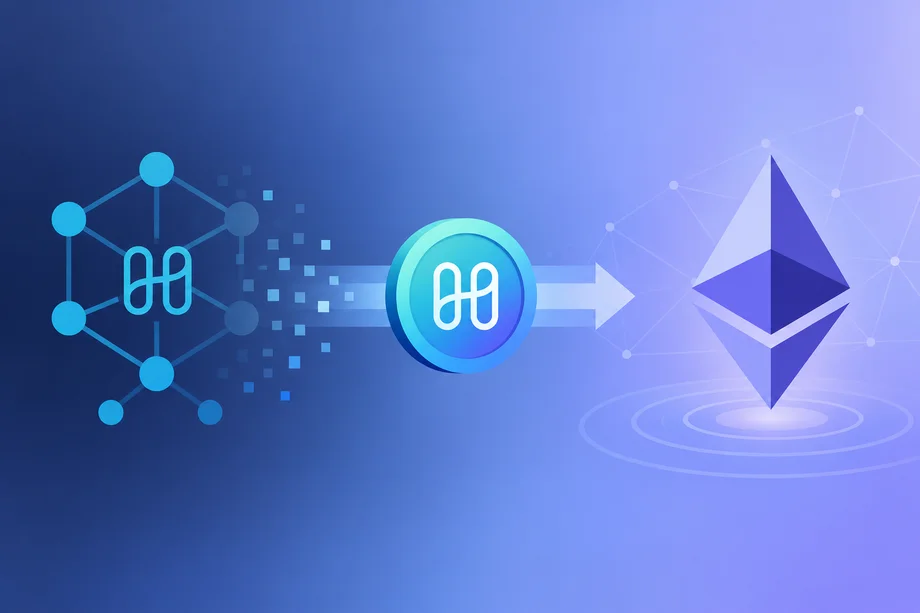
The project aims to end its independent blockchain after seven years, issue ERC-20 ONE tokens via snapshot, and pivot validators toward an AI video platform amid ongoing security pressures
Harmony has put forward a non-binding plan to permanently retire its layer-1 blockchain and migrate its native ONE token to Ethereum as an ERC-20 asset. The proposal, outlined in a Sunday announcement, calls for a final network snapshot followed by an automatic airdrop of the new tokens, while the team prepares to redirect resources into an AI-driven video initiative.
The move would close the network that launched its mainnet in 2019. Harmony cited escalating security risks from state actors and AI agents as the primary reason for ending operations as a standalone chain. Validators may begin shutting down nodes starting September 10, and users have been advised to withdraw from smart contracts by the same date.
Migration Mechanics and Snapshot Scope
Under the proposal, Harmony would record all ONE balances at the network’s final block. The snapshot is designed to capture holdings in personal wallets, staking delegations, validator rewards, smart contracts, and centralized exchange accounts. New ERC-20 ONE tokens would then be issued on Ethereum and distributed to the same addresses recorded in that snapshot. Holders, delegators, and validators would not need to submit claims.
Delegated stakes and unclaimed rewards would be directed to individual governor vaults. The project stated that the token’s total supply and emission rate would remain unchanged. It also plans to publish the Ethereum token contract, snapshot calculations, and airdrop scripts for public audit. Exchange listings would be coordinated for migration to the new Ethereum version of the token.
Not all assets can transfer. Multisig safes, liquidity pools, and on-chain applications fall outside the migration process. Harmony has urged participants to exit those positions before September 10 to avoid potential loss of value locked in non-transferable structures.
Validator Transition and Compensation
Validators face three options: cease node operations, continue in a governor capacity, or join the planned AI video project. Those who shut down on schedule, retain their stakes, and agree to serve as governors become eligible for compensation from a dedicated pool of $1.372 million. The funds would be distributed over four quarters and are intended to cover differences in emission rewards between a validator’s last block and the network’s final block.
Harmony indicated that some validator participation would continue in governance roles even after block production ends. Future ONE emissions are expected to support the new initiative, subject to input from governors.
Shift to AI Video Platform
Once the blockchain is retired, Harmony intends to build what it describes as an AI video remix economy. A core group of creators would publish prompts and assets that others could fork or remix. AI agents would generate additional video clips from those branches.
Operators would manage generation, distribution, and content moderation, with rewards linked to staking and service uptime. The project plans to subsidize GPU hardware in the first year and has projected that operators could earn up to $1 million in combined revenue during that period if staking and uptime conditions are met. A potential $10 monthly subscription model was floated, with promoters receiving a 30 percent ongoing commission on referred subscriptions. Advertising revenue was cited as a possible source of tens of millions of dollars if the platform reached one million users.
Context of Recent Security Incident
The shutdown proposal arrives less than four weeks after an August exploit that allowed unauthorized creation of ONE tokens. Investigators traced the issue to a flaw in cross-shard receipt verification that permitted valid receipts to be processed more than once. Earlier reports referenced nearly 4 billion unauthorized tokens, while a later reconstruction identified more than 3 trillion ONE created across six transactions, with significant volumes reaching exchanges and other destinations.
Harmony initially planned a rollback to an August 11 checkpoint. That step would have discarded more than 109,000 regular transactions and 315 staking transactions across the affected shards. The project worked with exchanges, bridges, and law enforcement while examining recovery paths. Token migration was considered at the time but was described as more disruptive than a rollback. The current proposal effectively reframes the response as a full exit from independent chain operations rather than continued maintenance of the compromised ledger.
The August event followed earlier security challenges. In June 2022, attackers stole close to $100 million from Harmony’s Horizon cross-chain bridge. In December 2023, a staking logic flaw resulted in the minting of approximately 146 million ONE before an emergency hard fork was applied.
Market participants and token holders will now watch for clarity on the final block timing, any formal governance vote, and how exchanges and custodians handle the ERC-20 distribution. The September 10 deadline for exiting smart contracts remains the nearest operational checkpoint for users with positions that cannot migrate.


Disclaimer
This article was generated by AI using information from multiple industry sources. It has not been reviewed or verified by a human editor and may contain inaccuracies, omissions, or misinformation. Readers are encouraged to independently verify any information before making decisions based on its content.Tired of the noise?
Let the bots trade for you.
Trade 24/7, without emotion, with data-driven strategies.
Associated articles
ZetaChain Tokenholders Approve Wind-Down of Layer-1 Network and ZETA Migration to Solana
Harmony to Roll Back Two Shards After Forged ONE Mint Exploit
Harmony ONE Plunges After Unauthorized Mint of 4 Billion Tokens

Arthur Hayes Details FLOP Network Tokenomics for AI Inference Blockchain
Starknet Launches Seven-Day Governance Vote on Independent Post-Quantum Layer 1
Latest articles

SkyAI Exits Solana Holdings Completely, Launches $201 Million Share Buyback
Strategy Buys 267 Bitcoin and Raises Preferred Share Buyback Cap to $3 Billion

Dormant 2013 Bitcoin Wallets Shift Over $67 Million After More Than a Decade

Binance Rolls Out AI Pro Tool for Chat-Based Automated Trading Strategies