Newsroom
FCA Warns Premier League Clubs Over Risky Crypto Sponsorship Deals
3 June, 2026 / News / AI / Tags: clubs, fca, league, football, premier
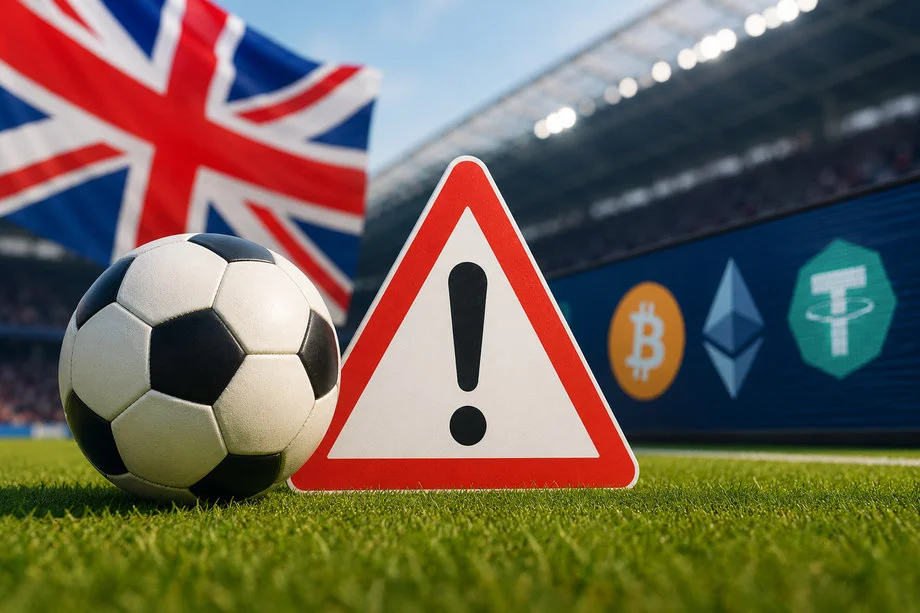
The UK’s Financial Conduct Authority has directly contacted top football clubs urging them to review sponsorship agreements with unauthorized crypto and trading firms
With fans potentially exposed to significant financial risks and clubs facing legal and reputational consequences, the regulator is stepping up scrutiny on high-profile partnerships that have become common in the sport.
Regulator Highlights Growing Concerns
The Financial Conduct Authority (FCA) has issued a clear warning to Premier League clubs regarding sponsorship deals with unauthorized financial services companies, particularly those in crypto and online trading. In a formal communication, the regulator emphasized that such partnerships allow these firms to reach millions of loyal fans, many of whom may not fully understand the risks involved.
According to the FCA, consumers dealing with unauthorized firms lack regulatory protections and could lose their entire investment. The watchdog stressed that clubs have a responsibility to perform thorough due diligence on potential sponsors to avoid enabling potentially harmful activities.
- Fans risk losing all their money when engaging with unauthorized platforms
- Clubs could face legal liability and money laundering risks
- Reputational damage is a major concern for teams entering questionable deals
Examples of Current Sponsorship Arrangements
Several Premier League teams have partnered with crypto-related brands in recent seasons. LAK3 Company, which sponsored Wolverhampton Wanderers, appears on the FCA’s warning list of unauthorized firms. Other major exchanges like OKX and BingX have visible partnerships with clubs such as Manchester City and Chelsea, though they are not registered with the UK regulator.
These deals often involve prominent shirt sponsorships, stadium advertising, and digital promotions, giving the platforms direct access to broad audiences. The FCA noted that while some firms may comply with certain promotion rules through authorized partners, many operate outside full regulatory oversight in the UK.
Broader Context of Crypto in Football
The warning arrives as crypto companies have aggressively expanded their marketing presence in sports. High-profile collapses and regulatory actions in the past have shown the volatility of such partnerships. The FCA referenced previous cases where sports organizations faced challenges after aligning with unregulated entities.
The regulator is working closely with the UK government, the Premier League, and the upcoming Independent Football Regulator to address these issues systematically across the sport. Clubs are now expected to maintain ongoing checks on their commercial partners, particularly those offering financial products.
- Use the FCA’s Firm Checker tool before engaging with any financial services sponsor
- Unauthorized firms offer no regulatory protection or recourse
- Exercise caution with promotions seen during matches or on club channels
Implications for Clubs and the Industry
Premier League clubs generate substantial revenue from commercial deals, with some teams reporting hundreds of millions in sponsorship income annually. However, the FCA made it clear that entering arrangements with unauthorized firms could expose clubs to enforcement actions, financial penalties, and long-term damage to their brand.
This development reflects a wider effort by UK authorities to bring crypto marketing under stricter control. Since bringing crypto promotions under the financial promotions regime in 2023, the FCA has issued numerous alerts and taken enforcement steps against non-compliant platforms.
The message is straightforward: football clubs must prioritize consumer protection alongside commercial interests. Failure to do so may result in direct regulatory intervention. As the sport continues to attract innovative sponsorship models, due diligence and compliance will become increasingly central to decision-making at the boardroom level.
| Aspect | Details |
|---|---|
| Regulatory Body | Financial Conduct Authority (FCA) |
| Target Audience | Premier League and other UK football clubs |
| Main Risk to Fans | Potential total loss with no protections |
| Club Responsibilities | Ongoing due diligence on sponsors |
Disclaimer
This article was generated by AI using information from multiple industry sources. It has not been reviewed or verified by a human editor and may contain inaccuracies, omissions, or misinformation. Readers are encouraged to independently verify any information before making decisions based on its content.Tired of the noise?
Let the bots trade for you.
Trade 24/7, without emotion, with data-driven strategies.
Associated articles
Circle Secures Chelsea FC Front-of-Shirt Deal as USDC Brand Debuts in Premier League

Aave Labs Gains UK FCA Approval for Crypto Payment Expansion
Ripple Partners with Florida Athletics for Multi-Year XRP Field Branding Deal
Robinhood Gains UK Crypto Registration Ahead of 2027 Regulatory Overhaul

Securitize and Socios Partner on Tokenized Minority Stakes in Pro Sports Teams
Latest articles

SpaceX and Tesla Set Up Committees to Explore Merger That Would Combine Holdings of Over 30,000 Bitcoins
UK Banks Face Thousands of Complaints Over Crypto Transfer Restrictions

Ripple Backs SEC Proposed Crypto Asset Rules After $150 Million Legal Battle

Blockchain.com Introduces Options Trading on Seven Major Crypto Assets