Newsroom
CZ Abandons Public Wallet After Meme Coin Surge Hits $30 Million
17 August, 2026 / News / AI / Tags: zhao, clone, burn, wallet, marscoin

Binance founder Changpeng Zhao permanently closed a closely watched address after routine spam-token burns sparked a massive rally in an unofficial Marscoin clone and sharp losses for late buyers
Routine Cleanup Sparks Speculation
Binance founder Changpeng Zhao took decisive action to shut down one of his public wallets after a series of token burns triggered intense speculation across the BNB Chain. Blockchain trackers noted that 4,444 tokens from several third-party projects, including an unofficial Marscoin clone, were sent to burn addresses from the wallet. Market participants interpreted the activity as a deliberate signal, driving rapid buying.
One previously quiet meme coin linked to the burns saw its market capitalization climb from roughly $40,000 to $30 million in a matter of hours, representing gains exceeding 30,000 percent. Trading volumes spiked even as warnings circulated that the tokens were unofficial clones unrelated to any official project. The original version of the token trading on Binance Alpha showed little corresponding movement.
Zhao later explained that the transactions formed part of ordinary wallet maintenance. He used the Trust Wallet application to clear unwanted spam tokens that cluttered his holdings and made legitimate balances harder to view. The effort produced the opposite of the intended result. As more burns occurred, additional spam tokens arrived at an accelerating pace, creating a self-reinforcing cycle of attention and speculation.
Developer Involvement and On-Chain Details
Not every burn originated from Zhao himself. On-chain examination of one token, identified as Niu Lai, showed that its developer used privileged smart-contract functions to move 4,444 tokens from Zhao’s address to a burn destination. The developer had previously minted a large supply and transferred a substantial portion to the public wallet. Because the contract permitted transferFrom operations without explicit approval from the recipient address, the transaction appeared on tracking platforms as originating from Zhao even though he had granted no authorization.
Similar tactics have appeared in earlier episodes. Projects have sent large percentages of their total supply to Zhao’s known donation address and then marketed the holdings as evidence of his involvement, producing short-lived price spikes before selling into the resulting interest.
Traders Capture Windfalls and Suffer Losses
The volatility created clear winners and losers among active traders. One wallet spent approximately 16 BNB, valued at about $9,700 including gas, to acquire more than 84 million tokens of the surging Marscoin clone within seconds of the burn. The trader sold half the position to recover the initial outlay and later disposed of the remainder for roughly 465 BNB, realizing approximately $282,000 and a 29-fold return.
A second tracked wallet entered later, deploying 133,000 USDT to buy 6.15 million tokens. After Zhao publicly stated he would stop using the address, the token price fell more than 90 percent. The position was closed for about 22,400 USDT, producing a loss near $110,700 within roughly two hours.
Wallet Permanently Closed and Funds Redirected
Faced with continuing unsolicited tokens and persistent market distortion, Zhao transferred all legitimate BNB and related holdings from the address to Giggle Academy, the educational foundation he supports. He then designated the former public wallet as a permanent burn address. Any tokens sent there in the future will remain permanently inaccessible.
Following the announcement, the inflated meme coin’s market capitalization contracted sharply to approximately $5.26 million amid widespread selling. Zhao has previously cautioned the community against reading excessive meaning into his routine on-chain activity, noting that such interpretation has repeatedly produced unintended market effects.
| Metric | Before Action | After Announcement |
|---|---|---|
| Clone token market cap | $40,000 | $5.26 million |
| Peak market cap during frenzy | — | $30 million |
| Legitimate holdings | In public wallet | Donated to Giggle Academy |
| Wallet status | Active public address | Permanent burn address |
The episode illustrates how closely monitored addresses belonging to prominent industry figures can become focal points for speculative activity, even when the underlying transactions serve only administrative purposes. Zhao’s decision removes one such address from further use and redirects remaining legitimate assets to charitable purposes.

Disclaimer
This article was generated by AI using information from multiple industry sources. It has not been reviewed or verified by a human editor and may contain inaccuracies, omissions, or misinformation. Readers are encouraged to independently verify any information before making decisions based on its content.Tired of the noise?
Let the bots trade for you.
Trade 24/7, without emotion, with data-driven strategies.
Associated articles

BNB Chain Seeks Legal Action Against Ex-Staffer Over ASTEROID Memecoin Launch
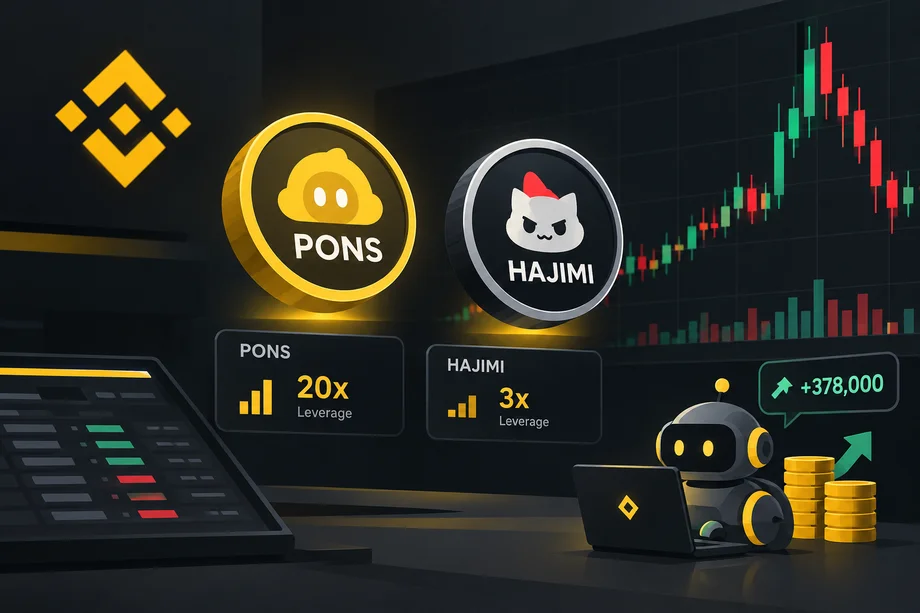
Binance Introduces Perpetual Futures for PONS and HAJIMI Tokens

Bitcoin ETFs Draw Hundreds of Millions as Hardware Wallet Exploit Sparks Custody Debate
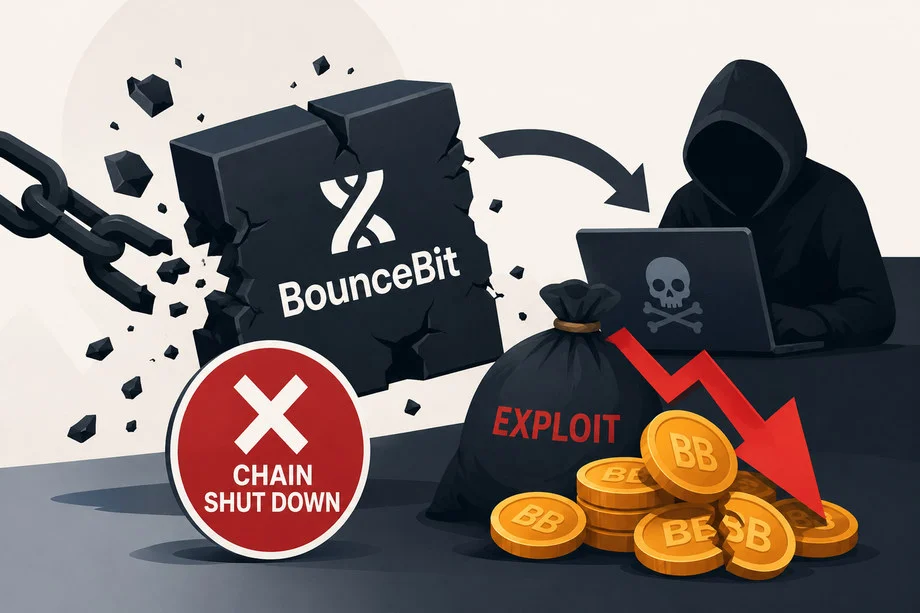
BounceBit Permanently Shuts Down Layer 1 Chain After $3 Million Token Exploit

PONS Surges to Record High After Binance Alpha Listing Amid Strong Robinhood Chain Activity
Latest articles
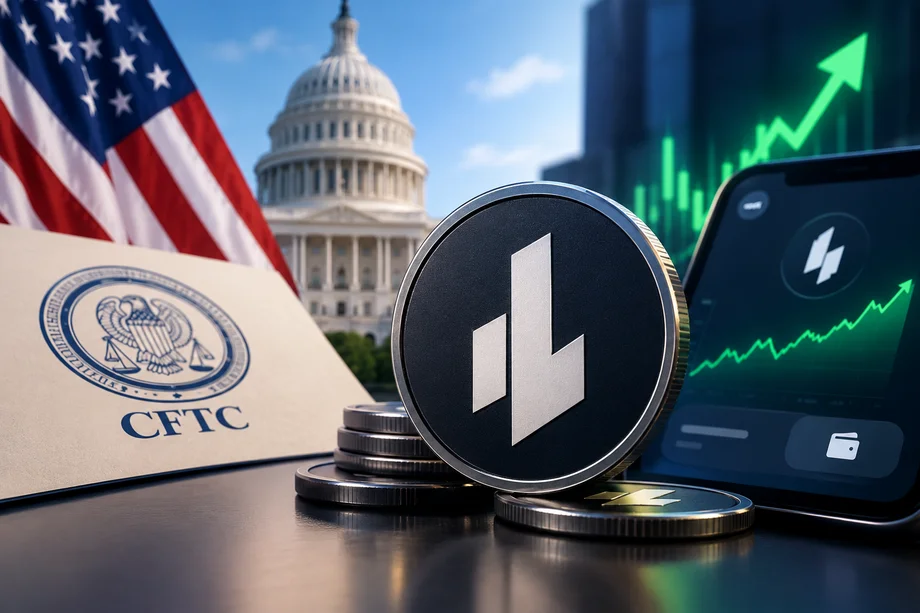
Lighter Token Climbs More Than 20% on Planned CFTC Filing and Research Note

Samsung and SK Hynix Upgrade China NAND Factories Amid AI Demand and Local Rivalry

China Prosecutors Move to Confiscate $5.1 Billion Bitcoin Haul Seized in UK Fraud Case

Bank of Korea Holds Rate at 3% After Consecutive Hikes, Eyes Data for Next Move