Newsroom
CFTC Clears Path for Equity Perpetual Futures on Regulated U.S. Exchanges
4 November, 2026 / News / AI / Tags: cftc, futures, perpetual, contracts, selig

Chairman Michael Selig announced Tuesday that perpetual contracts on individual stocks can trade on dual-registered venues under joint CFTC-SEC rules, extending a crypto-style product to equities
The Commodity Futures Trading Commission has authorized trading of perpetual futures contracts tied to individual U.S. stocks on registered exchanges for the first time. The decision, announced by Chairman Michael Selig on November 3, 2026, classifies the instruments as security futures products and opens the door for them on platforms overseen by both the CFTC and the Securities and Exchange Commission.
Perpetual futures track an underlying asset’s price without a fixed expiration date. Traders maintain positions indefinitely provided they meet margin requirements and settle periodic funding payments that keep the contract price aligned with the spot market. The structure first gained wide use in cryptocurrency markets and has now been extended to traditional equities.
Regulatory Framework and Oversight
The contracts were deemed approved under CFTC Regulation 40.3 and the Commodity Futures Modernization Act of 2000. They fall under the Commodity Exchange Act, federal securities laws, and the joint regulatory frameworks of both agencies. Eligible venues must operate as designated contract markets registered with the CFTC and hold notice registration with the SEC as national securities exchanges for security futures products.
Selig linked the approval to a March 2026 memorandum of understanding between the CFTC and SEC that improved coordination and information sharing. He said the earlier lack of harmonization had left similar products in regulatory uncertainty, a situation previously described by SEC Chairman Paul Atkins as a “no man’s land.”
The chairman framed the move as part of a broader effort to bring perpetual products onto regulated U.S. platforms rather than leave traders reliant on offshore venues. He noted that the equity contracts extend the agency’s earlier clearance of Bitcoin perpetual futures on a regulated exchange.
Industry Filings and Market Context
Several firms had already sought approval to list single-stock perpetual futures. Filings in recent months came from Coinbase, Kalshi, Payward’s Bitnomial exchange, and OG.com. Proposed contracts have included names such as Apple, Tesla, and Nvidia, with some designed for around-the-clock weekday trading.
The CFTC has not named specific exchanges that will list the products or set a start date for trading. Availability will depend on individual exchange decisions and filings. The agency has described the instruments as tools for risk management and price discovery that U.S. participants can now access under domestic safeguards.
Legal Challenges Mount
The approval faces immediate opposition. The Capital Markets Alliance, which includes Cboe and Citadel Securities, filed a lawsuit in the Southern District of New York on the same day as the announcement. The group contends the contracts are security-based swaps that fall under exclusive SEC jurisdiction and that the CFTC’s action violated the Administrative Procedure Act by providing insufficient explanation and failing to address prior treatment of similar derivatives.
Cboe Chief Executive Craig Donohue stated that the approvals risk eroding long-standing investor protections and create regulatory arbitrage. The exchange said the challenge is not commercial, noting it could list comparable products on its own CFTC-regulated platforms.
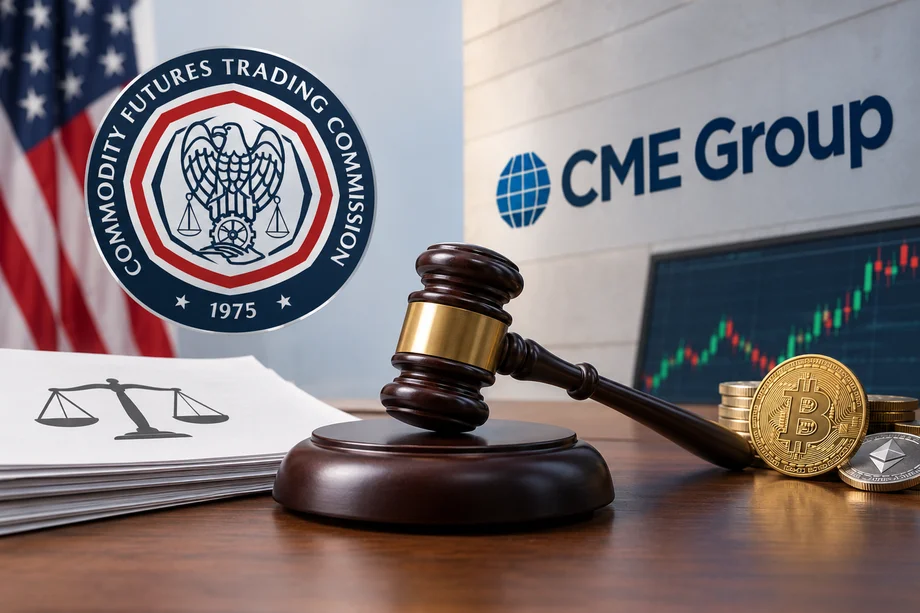
A separate lawsuit by CME Group continues over the CFTC’s earlier approval of cryptocurrency perpetual futures. CME has argued those contracts should be regulated as swaps rather than futures. The CFTC has moved to dismiss that case, asserting the exchange lacked standing and could itself list similar products.
No court ruling on the new injunction request had been reported as of the latest updates. Until resolved, the classification of equity perpetual futures remains subject to judicial review even as the CFTC has cleared them for trading under the security futures framework.
Trading of the new contracts can begin once dual-registered exchanges choose to list them. Market participants will watch for the first notices of listing and any further regulatory or court developments that could shape contract design, oversight, or availability.
Disclaimer
This article was generated by AI using information from multiple industry sources. It has not been reviewed or verified by a human editor and may contain inaccuracies, omissions, or misinformation. Readers are encouraged to independently verify any information before making decisions based on its content.Tired of the noise?
Let the bots trade for you.
Trade 24/7, without emotion, with data-driven strategies.
Associated articles

Crypto.com Sister Exchange OG.com Gains SEC Clearance for US Single-Stock Futures

Ondo Finance Presses SEC and CFTC to Greenlight Onshore Stock Perpetual Futures

Coinbase Seeks U.S. Approval for Single-Stock Perpetual Futures Trading

Kalshi Seeks Approval for Perpetual Futures on Individual US Stocks
CFTC Seeks Dismissal of CME Lawsuit Over Bitcoin Perpetual Futures
Latest articles

Hong Kong Enacts Crypto Tax Reporting Rules Starting 2027

Google Expands Voluntary Exit Packages to Five Countries Amid AI Spending

Stripe Opens Stablecoin Payouts to Crypto Wallets in Over 160 Markets for US Firms

Democrats Plan Probes of Trump Family Crypto Ventures After Midterm Wins