Newsroom
Fidelity Presses Senate to Advance Crypto Clarity Act
25 July, 2026 / News / AI / Tags: senate, fidelity, digital, oversees, advocacy
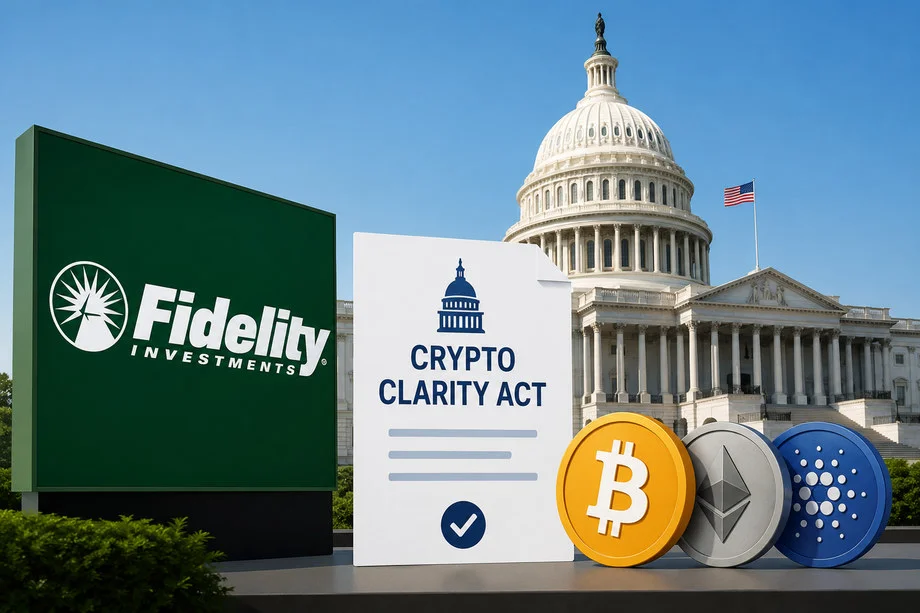
The $7 trillion asset manager joins industry groups calling for clear digital asset rules to boost investor confidence and U.S. market leadership
Fidelity Investments, which oversees roughly $7.1 trillion in managed assets, publicly urged the U.S. Senate on Friday to pass the Clarity Act, the long-debated legislation that would create a comprehensive regulatory framework for digital assets.
In a statement from its public policy account, the firm said clear rules are needed now to strengthen investor confidence, give market participants certainty, and reinforce American leadership in the global digital asset economy. The call adds substantial institutional weight to a campaign already backed by major crypto advocacy organizations and other financial firms.
Broad Coalition Backs the Bill
Fidelity’s endorsement came alongside support from the Crypto Council for Innovation, the Blockchain Association, and the Digital Chamber. The National Fraternal Order of Police and several politicians also voiced approval. Stand With Crypto amplified the message, noting that institutions and individual investors both seek predictable standards. Goldman Sachs CEO David Solomon and Coinbase CEO Brian Armstrong have likewise pressed for Senate action.
The firm’s position carries particular significance because it already operates regulated cryptocurrency products for retail and institutional clients. After the Securities and Exchange Commission approved multiple spot Bitcoin exchange-traded funds in 2024, those products ranked among the most successful ETF launches on record and drew substantial capital into the sector through traditional market infrastructure.
Key Provisions in the Latest Draft
Lawmakers have negotiated the market-structure bill since last year. The newest Senate draft includes language prohibiting public officials and their immediate family members from issuing or promoting cryptocurrencies. Supporters present the ethics restriction as a safeguard against conflicts of interest and a response to earlier criticism that political figures could profit from token-related activity.
According to the Senate Banking Committee overview, the legislation would set tailored disclosure requirements, preserve anti-fraud authority, clarify when the Securities and Exchange Commission or the Commodity Futures Trading Commission oversees a digital asset, and establish standards for centralized intermediaries while protecting certain software developers and peer-to-peer activity. These rules could shape exchange listings, issuer disclosures, custody practices, and enforcement across digital asset markets.
Sticking Points Remain
Republicans advanced an earlier version of the bill last year, but progress stalled amid concerns from banking executives over stablecoins. Banks have argued that if crypto platforms are permitted to offer yield on stablecoins, the products could attract deposit customers away from traditional accounts. Coinbase withdrew its earlier support in January after clashing with banking interests over proposals to restrict such yields.
Democratic Senator Elizabeth Warren has criticized the bill’s trajectory, citing investor protection, national security, and financial stability issues. She has also raised questions about safeguards covering cryptocurrency interests held by senior elected officials. The latest ethics language is intended to address some of those concerns, yet divisions over stablecoin rewards, the division of regulatory authority, and related provisions continue to complicate a floor vote.
The measure requires 60 votes to clear the Senate, where Republicans currently hold a 52-47 majority. With institutional support expanding and advocacy groups generating significant constituent contacts, pressure is mounting for lawmakers to resolve remaining differences before the legislative calendar tightens further.
Disclaimer
This article was generated by AI using information from multiple industry sources. It has not been reviewed or verified by a human editor and may contain inaccuracies, omissions, or misinformation. Readers are encouraged to independently verify any information before making decisions based on its content.Tired of the noise?
Let the bots trade for you.
Trade 24/7, without emotion, with data-driven strategies.
Associated articles

Goldman Sachs CEO Backs CLARITY Act Amid Banking Industry Split on Crypto Rules

Police Union Endorses Revised Clarity Act Amid Growing Crypto Bill Support
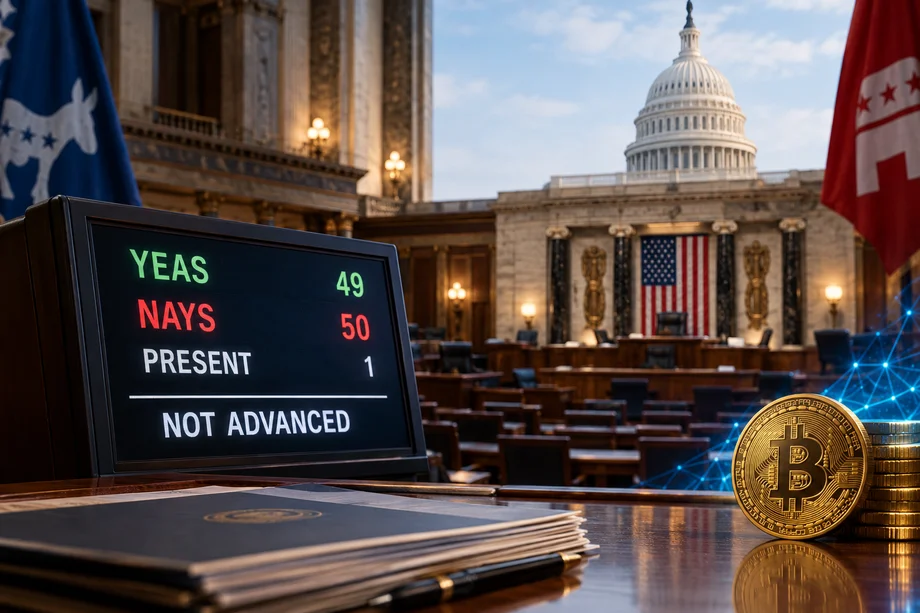
Senate Blocks Crypto Market Clarity Act Over Ethics Disputes

Trump Urges Senate to Advance CLARITY Act in Critical Week

Over 200 Crypto Firms Urge Senate to Pass CLARITY Act Before Window Closes
Latest articles

Ondo Finance Opens Direct Share-to-Token Pathway for Institutions

Tim Draper Labels Apple and Meta Irresponsible for Lacking Bitcoin Reserves

xAI Unveils Grok 4.7 Model With Expanded Capacity and Competitive Pricing

MemeToro Advances AI Fair-Launch Platform Amid Growing Interest in Transparent Memecoin Tools