Newsroom
Zano Rolls Back Blockchain to Restore Fixed Supply After Gateway Exploit
28 September, 2026 / News / AI / Tags: zano, gateway, fusd, privacy, stakers
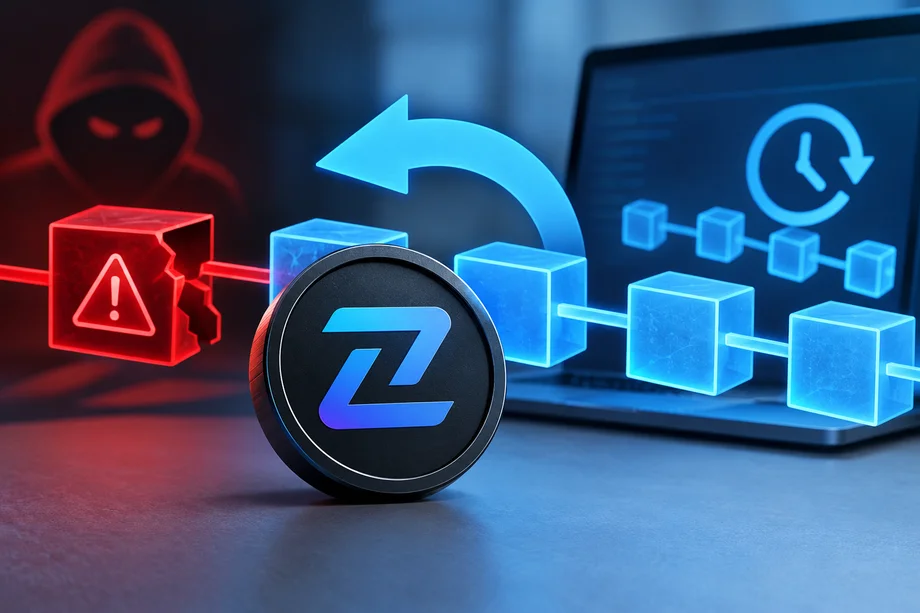
Zano has restarted its network at block 3,833,000 to eliminate unauthorized issuance of its native token and Freedom Dollar through a Gateway Address vulnerability, marking the first rollback in the project’s six-year history
Emergency Network Upgrade Brings the Chain Back to Pre-Hard Fork State
The Zano blockchain has been restarted at block height 3,833,000, immediately prior to Hard Fork 6 that introduced Gateway Addresses. This rollback removes roughly one month of on-chain history and eliminates unauthorized ZANO and fUSD that entered circulation as a direct result of the vulnerability. Participating nodes, miners, stakers, exchanges, and other services must adopt the coordinated software update to restore the chain to its prior state.
The decision stems from a security issue in the Gateway Address feature, which had allowed funds to be issued without proper limits. Transactions confirmed during the affected period will not appear on the recovered chain, while payments already settled on other blockchains remain untouched. The core consensus mechanism and privacy of standard transactions were unaffected.
Nodes, miners, stakers, pool operators, exchanges, bridge providers, and payment services must verify the update and its checksums. Mobile-wallet nodes will restart in stages, while third-party wallets and exchanges must update independently and confirm they are connected to the restored chain before proceeding with new transactions.
Gateway Addresses Introduced but Revealed a Critical Flaw
Gateway Addresses were designed to simplify integration for bridges, exchanges, and payment services by allowing funds to be managed through a single account-style balance. Prior to their activation on August 26, 2026, Zano’s ordinary wallets tracked funds as separate transaction outputs, requiring exchanges to scan the blockchain and select specific outputs when processing withdrawals.
The vulnerability compromised the asset issuance mechanism within Gateway Addresses. Although wallet spend keys and ordinary transaction privacy remained intact, the issue permitted unlimited creation of ZANO and fUSD tokens. Zano operates as a layer-1 privacy-focused blockchain that supports custom digital assets, with fUSD serving as one such token.
Recovery Process and Compensation Plans Announced
The team has confirmed it will publish a reimbursement and claims process once losses are accounted for. Affected projects and counterparties are being worked with to assess any financial impact. Full-node operators, miners, stakers, exchanges, and service providers are expected to upgrade promptly, with regular users able to download the updated wallet without re-entering their recovery phrase.
Zano’s head of marketing and growth noted that restarting the chain restores the supply everyone originally agreed upon. “It restores the supply everyone signed up for, and it leaves a path to rebuild. Which is better than 7 years of hard work left to die. We know it hurts. But not doing it would have hurt more,” said Quinten van Welzen.
Zano’s Privacy Focus Unchanged by Incident
Zano launched in May 2019 as a layer-1 blockchain dedicated to private payments. All standard private transactions conceal senders, receivers, amounts, and asset types. The native token ZANO remains the only native asset, while users can deploy and mint custom digital assets such as fUSD without compromising the network’s privacy guarantees.
The incident did not affect the blockchain’s core consensus, spend keys, or privacy features for regular users. Zano plans to disclose the technical cause of the vulnerability and the results of a code review once the immediate recovery efforts are complete.
Disclaimer
This article was generated by AI using information from multiple industry sources. It has not been reviewed or verified by a human editor and may contain inaccuracies, omissions, or misinformation. Readers are encouraged to independently verify any information before making decisions based on its content.Tired of the noise?
Let the bots trade for you.
Trade 24/7, without emotion, with data-driven strategies.
Associated articles
Harmony ONE Plunges After Unauthorized Mint of 4 Billion Tokens
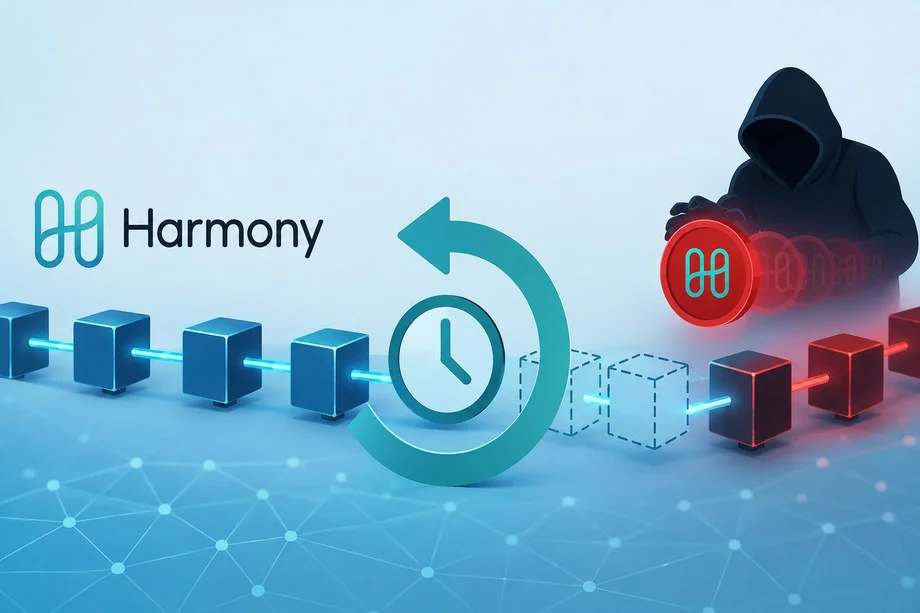
Harmony to Roll Back Two Shards After Forged ONE Mint Exploit

Zcash Rebounds Strongly After Critical Orchard Bug and Launches Historic Ironwood Upgrade
NEAR Intents Suffers $3.8 Million Exploit Days After Blocking Major Swap

Zcash Ironwood Hard Fork to Isolate Orchard Pool Vulnerability
Latest articles

Thai Police Arrest Chinese Man in $75M Crypto Laundering Probe
Cysic Suspends Cross-Chain Bridge After Unauthorized 10 Million CYS Mint

Cardano Founder Builds New Programming Language with Groth16 Proofs

Yuga Labs Debuts Mudwater Trading Cards on Solana With ApeCoin Rewards