Newsroom
White House Crypto Council Left Without Leader After Patrick Witt Departs
15 October, 2026 / News / AI / Tags: witt, white, council, house, patrick
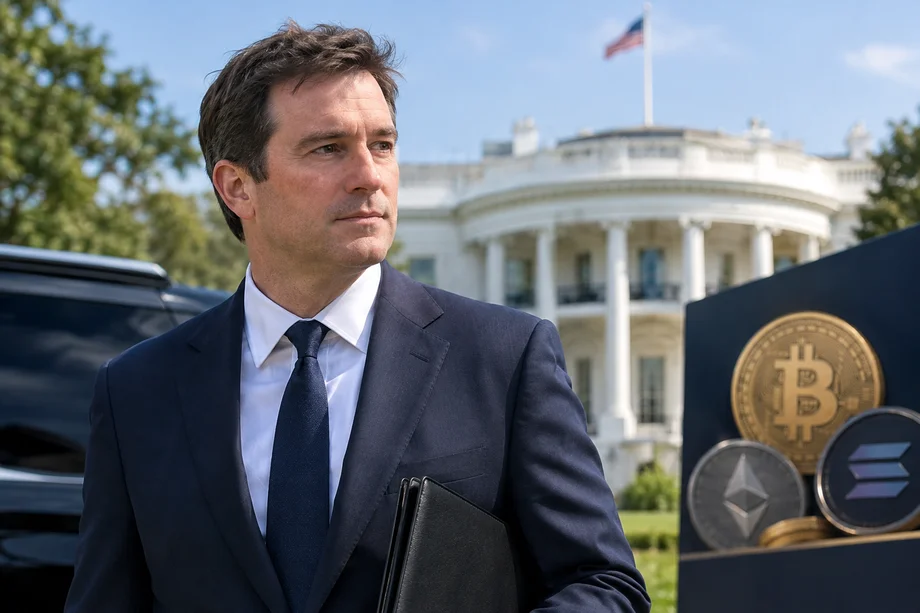
Patrick Witt’s temporary Defense Department assignment ends, leaving the advisory body vacant as key digital asset legislation remains stalled in the Senate
Patrick Witt has stepped down as executive director of the White House Crypto Council after his temporary assignment from the Department of Defense expired. The departure leaves President Donald Trump’s digital asset advisory group without a named senior leader or remaining staff at a time when major cryptocurrency legislation faces an uncertain path forward.
A White House official confirmed the end of Witt’s detail on October 14, stating that the administration appreciates his service and wishes him well in future endeavors. No successor has been announced.
Leadership Vacuum Follows Series of Departures
Witt served as the sole remaining staff member of the President’s Council of Advisors for Digital Assets. Deputy director Harry Jung left the council at the end of July. David Sacks, who previously oversaw both cryptocurrency and artificial intelligence policy as a special government employee, departed in March after reaching the 130-day service limit.
Witt had been on temporary loan from the Defense Department. He had previously postponed mandatory training with the Georgia Army National Guard and is expected to resume those commitments. The White House provided no details on how the council will operate or whether a new executive director will be appointed.
Journalist Eleanor Terrett reported that she contacted the White House multiple times seeking clarification on Witt’s status before receiving confirmation that the assignment had expired. Witt declined to comment while questions about his employment remained open.
Witt Moves to Private Sector After Policy Work
In a statement, Witt described his roughly two years of service as the privilege of a lifetime. He said he felt fortunate to have contributed to advancing American innovation while in government and expressed interest in continuing that work outside the administration.
Witt thanked former colleague David Sacks for guidance, along with Securities and Exchange Commission Chairman Paul Atkins, Commodity Futures Trading Commission Chairman Brian Quintenz, Treasury Secretary Scott Bessent, and lawmakers involved in digital asset measures. He indicated he would share more details about his next role in the private sector at a later time.
Industry figures acknowledged his contributions. Lindsay Fraser, chief policy officer at the Blockchain Association, credited Witt with sustaining dialogue among stakeholders during difficult negotiations. Kristin Smith, president of the Solana Policy Institute, noted the challenges of building consensus on market structure rules and thanked him for his efforts.
CLARITY Act Progress Stalls Amid Leadership Change
Witt’s primary focus centered on advancing the Digital Asset Market Clarity Act, legislation intended to establish clearer federal oversight of digital assets and define the respective roles of the SEC and CFTC. The House passed its version, H.R. 3633, in July 2025 by a vote of 294 to 134, including support from 78 Democrats.
The bill stalled in the Senate in September after a procedural cloture vote received only 49 votes, short of the 60 required. Disagreements involved stablecoin incentives, government ethics provisions, and questions surrounding enforcement of rules related to public officials’ digital asset holdings. Some Democratic lawmakers argued that proposed ethics measures would not prove enforceable because related matters fall under Justice Department jurisdiction rather than state attorneys general.
Witt had previously attributed delays in part to Senate Majority Leader Chuck Schumer and certain pro-crypto Democrats, warning that missing key windows could leave the legislation stalled indefinitely. The Senate has limited session days remaining between the midterm elections and January, with none currently designated for digital asset policy.
Witt also served as a public voice on the Strategic Bitcoin Reserve established by executive order in March 2025. In recent comments he indicated officials were examining ways to expand holdings in the reserve.
With no White House point person currently designated for day-to-day cryptocurrency coordination, lawmakers and industry participants face continued uncertainty over the timeline for market structure legislation. Federal agencies including the SEC and CFTC continue operating under existing authorities while the broader regulatory framework remains unresolved.
Disclaimer
This article was generated by AI using information from multiple industry sources. It has not been reviewed or verified by a human editor and may contain inaccuracies, omissions, or misinformation. Readers are encouraged to independently verify any information before making decisions based on its content.Tired of the noise?
Let the bots trade for you.
Trade 24/7, without emotion, with data-driven strategies.
Associated articles

White House Crypto Adviser Patrick Witt Begins Military Leave as CLARITY Act Reaches Senate Deadline

Trump Backs Ethics Rules, Clearing Path for Senate Vote on CLARITY Crypto Bill

Trump Hosts Crypto Leaders at White House Amid Regulatory Push on Digital Assets

White House to Host Crypto and Prediction Market Leaders on August 19

Senate Schedules September 15 Vote on Crypto Market Structure Bill
Latest articles

Babylon Labs Advances Proposal for Native Bitcoin Lending on Aave V4

TSMC Posts Record Q3 Profit Surge on AI Chip Demand, Lifts Full-Year Outlook

ASIC Opens Consultation on Capital and Custody Rules for Digital Asset Platforms

GTA 6 Leaker Cyberleek Drops Full Build Plan After Memecoin Collapse, Activates Dead Man’s Switch Threat