Newsroom
US-Canada Trade Talks Collapse, Triggering 50% Tariffs and Retaliation
23 August, 2026 / News / AI / Tags: canada, canadian, carney, tariffs, talks
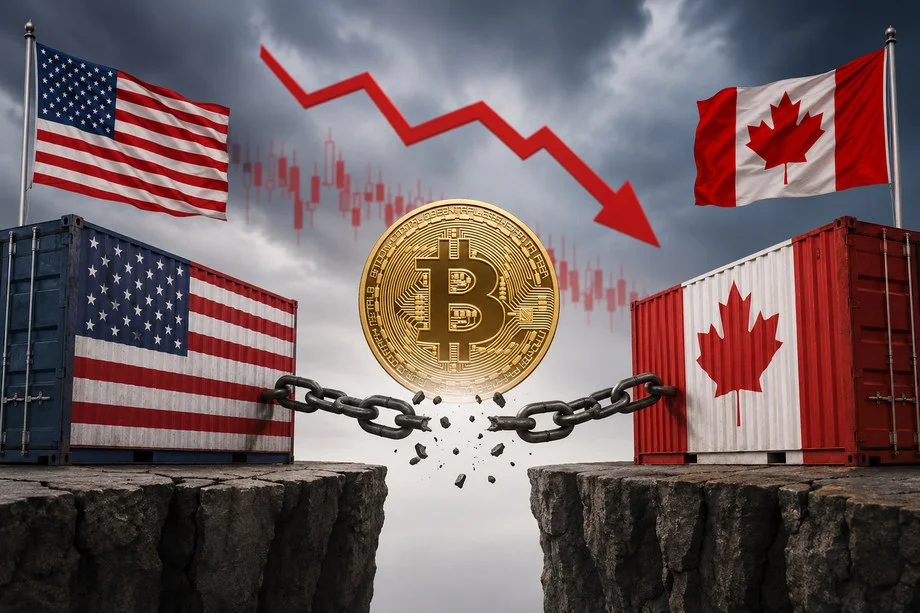
Talks between Washington and Ottawa broke down just before a midnight deadline, leading to new U.S. duties on Canadian goods and a pledge of matching countermeasures from Canada
Trade negotiations between the United States and Canada ended abruptly late on Friday, August 21, 2026, hours before a critical deadline. Canadian Prime Minister Mark Carney suspended the talks and ordered negotiators to return to Ottawa, citing last-minute changes to U.S. terms that he described as unfair and uneconomic.
The breakdown activated 50 percent U.S. tariffs on a range of Canadian products valued at roughly $20 billion to $28 billion. Ottawa responded by confirming it would impose matching duties on American goods to protect domestic workers and businesses. No new formal talks are currently scheduled.
Timeline of the Breakdown
Earlier in the week, Washington had postponed planned tariffs for three days to allow further discussions. Intensive negotiations had produced some progress on issues including steel, aluminum, automobiles and lumber. However, the process unraveled in the final hours.
According to Carney’s official statement, weeks of talks had advanced but fell short of meeting Canada’s objectives. He stated that last-minute alterations to the proposed American terms “called into question the reliability of any deal.” U.S. Trade Representative Jamieson Greer offered a contrasting account, saying Canada declined to finalize an agreement under terms discussed earlier and introduced new demands while withdrawing prior commitments.
The new U.S. tariffs took effect shortly after midnight on August 22. Affected categories include plywood and building materials, liquor and selected beverages, hockey sticks and sporting equipment, electrical equipment and certain clothing items.
Canada’s Dollar-for-Dollar Response
Carney confirmed that Canada would match the U.S. duties dollar for dollar. Specific target lists for the Canadian countermeasures had not been published at the time of the initial announcements, though officials indicated the measures would aim to shield workers and businesses. A U.S. official noted that Washington could present further escalation options to President Trump if Canada expands its response.
Business groups have previously cautioned that 50 percent duties can render targeted products largely uneconomic in the U.S. market. The volume of bilateral trade remains substantial, underscoring the potential for broader economic friction if the dispute continues.
Market Reactions Remain Mixed
Equity markets showed limited immediate impact. The S&P 500 advanced 0.43 percent, the Dow Jones Industrial Average gained 0.98 percent and the Nasdaq rose 0.43 percent. The VIX volatility index declined more than 5 percent to 15.13, suggesting investors largely viewed the dispute as bilateral rather than a wider systemic threat.
The Canadian dollar faced pressure amid concerns over export competitiveness and investment flows. Analysts pointed to possible volatility in the USD/CAD pair, with a potential trading range of 1.38 to 1.42 through the remainder of August. Interest rate differentials between the Bank of Canada and the U.S. Federal Reserve added further variables for currency markets.
Bitcoin moved higher, rising 4.7 percent to $78,523. The advance occurred against a backdrop of trade uncertainty, prompting discussion of whether the asset was functioning in part as a hedge in this instance. Gold also advanced, climbing 1.97 percent to $4,661.60 as investors sought traditional safe-haven exposure.
Path Forward Uncertain
Both sides have presented competing narratives about the final hours of talks. U.S. officials described the outcome as a missed opportunity for Canada, while Canadian statements stressed that the terms on offer did not sufficiently protect national interests. With negotiators recalled and no meetings scheduled, attention has shifted to the practical effects of the new tariffs and the scope of any retaliatory measures.
Further escalation, particularly if it expands into larger sectors such as automobiles or energy, could test market resilience. For now, equities and Bitcoin have displayed relative calm, while currency and precious metals markets have registered clearer sensitivity to the developments.
Disclaimer
This article was generated by AI using information from multiple industry sources. It has not been reviewed or verified by a human editor and may contain inaccuracies, omissions, or misinformation. Readers are encouraged to independently verify any information before making decisions based on its content.Tired of the noise?
Let the bots trade for you.
Trade 24/7, without emotion, with data-driven strategies.
Latest articles

SpaceX and Tesla Set Up Committees to Explore Merger That Would Combine Holdings of Over 30,000 Bitcoins

UK Banks Face Thousands of Complaints Over Crypto Transfer Restrictions

Ripple Backs SEC Proposed Crypto Asset Rules After $150 Million Legal Battle

Blockchain.com Introduces Options Trading on Seven Major Crypto Assets
