Newsroom
South Korea Lawmakers Advance Bill Expanding FIU Powers Against Unregistered Crypto Operators
21 August, 2026 / News / AI / Tags: unregistered, intelligence, operators, virtual, south

A new legislative proposal would grant the Financial Intelligence Unit direct authority to probe unregistered virtual asset firms serving domestic users, addressing gaps in current enforcement
South Korean lawmakers have introduced a bill that would significantly broaden the investigative authority of the Financial Intelligence Unit over unregistered cryptocurrency businesses. The measure aims to close enforcement gaps that have allowed many suspected operators, particularly those based overseas, to avoid full scrutiny.
People Power Party lawmaker Eom Tae-young, joined by nine other lawmakers, submitted the proposal on Thursday. It seeks to amend the Act on Reporting and Using Specified Financial Transaction Information by adding a new provision focused on virtual asset service providers that have not registered with authorities.
Key Provisions of the Proposed Legislation
Under the draft, any individual could report suspected violations involving unregistered crypto businesses directly to the Financial Intelligence Unit. The agency would then gain the ability to investigate the claims, examine evidence, file complaints with competent authorities, request criminal probes, and share gathered information with investigators.
This would mark a shift from the existing framework, in which the Financial Intelligence Unit primarily identifies potential unregistered operators and refers them to police or other law enforcement bodies for further action. The bill remains at the introduction stage and requires approval by the National Assembly before taking effect.
Enforcement Challenges Under Current Rules
Data covering the period from August 2022 to August 2025 shows that police suspended or declined to launch full investigations in 23 of the 25 cases of unregistered virtual asset service providers referred by the Financial Intelligence Unit. Most of the companies and individuals involved were based outside South Korea, complicating domestic enforcement efforts.
As of June, the regulator reported 28 active registered crypto service providers. At the same time, it had referred approximately 40 suspected illegal operators for investigation. South Korean rules require any firm offering virtual asset services to local residents, including foreign companies, to complete registration with the Financial Intelligence Unit and meet related compliance standards such as information security certification.
Methods Used by Unregistered Operators and Associated Risks
Authorities have noted several approaches employed by overseas platforms to reach South Korean customers while limiting their visible domestic footprint. These include recruiting users through Telegram and KakaoTalk open chat rooms, offering English-language customer service, promoting services via YouTube channels and online communities, and facilitating private exchanges of stablecoins or other virtual assets for Korean won or other fiat currencies. Some activity has targeted international students, tourists, foreign workers, and individuals seeking anonymous transactions.
Officials have flagged risks for users of unregistered services, including exposure to fraud, hacking, personal data breaches, and challenges in recovering funds if an operator fails to deliver assets. Unauthorized platforms have also raised concerns about potential use in concealing criminal proceeds or facilitating transfers that bypass standard checks applied by registered entities.
Broader Regulatory Context
The proposal forms part of wider efforts to strengthen oversight of the digital asset sector. South Korea has recently lowered the threshold for applying the Travel Rule to crypto transfers. Separate amendments to the Foreign Exchange Transactions Act will require companies handling cross-border virtual asset transfers to register with the Ministry of Economy and Finance, with the framework set to take effect in December following a grace period that began after promulgation in early June.
Domestic exchanges have also faced heightened scrutiny. Recent regulatory proposals sought expanded reporting of overseas-linked transfers, prompting concerns from industry groups about increased compliance burdens. Courts have intervened in several cases involving enforcement actions against major platforms, including temporary relief granted in matters related to dealings with unregistered foreign operators and customer verification requirements.
Lawmakers supporting the bill argue that direct investigative powers for the Financial Intelligence Unit would improve investor protection and reduce opportunities for abuse in the domestic market. The legislation is expected to prompt further discussion among government and financial sector participants on addressing regulatory gaps in an industry characterized by rapid technological change and cross-border operations.
Disclaimer
This article was generated by AI using information from multiple industry sources. It has not been reviewed or verified by a human editor and may contain inaccuracies, omissions, or misinformation. Readers are encouraged to independently verify any information before making decisions based on its content.Tired of the noise?
Let the bots trade for you.
Trade 24/7, without emotion, with data-driven strategies.
Associated articles
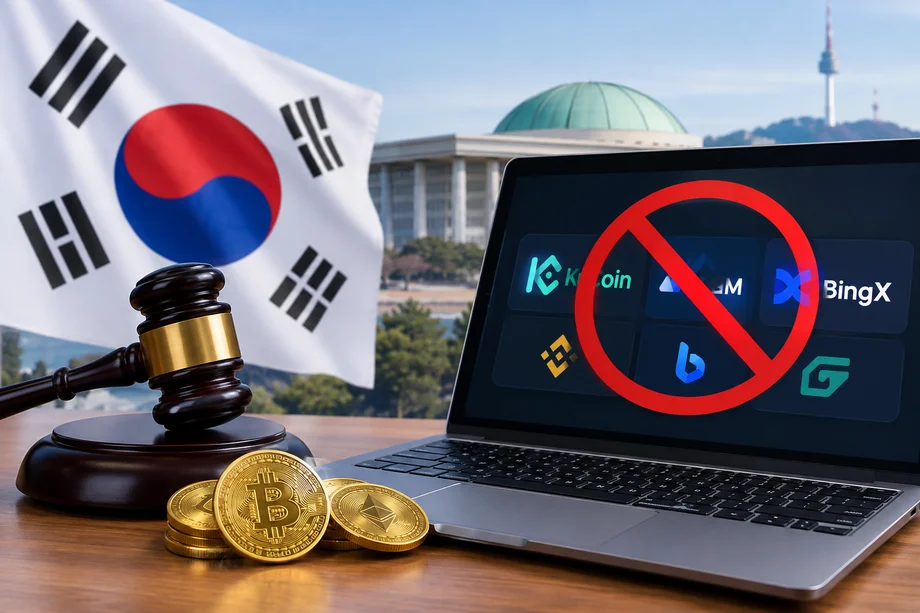
South Korea Blocks Access to 27 Unregistered Crypto Exchange Websites
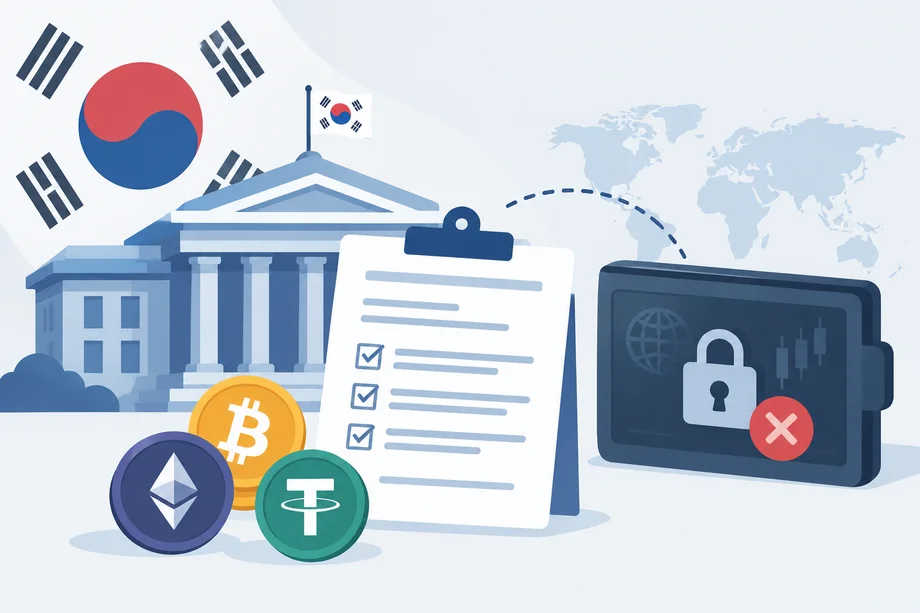
South Korea Requires Reporting of Crypto Accounts on Bankrupt Overseas Exchanges

Jeonbuk Bank Launches South Korea’s First Bitcoin-Backed Corporate Loans

South Korea Probes Over 40 Crypto Manipulation Cases in Two Years

South Korea Orders Polymarket Access Block Over Illegal Gambling Rules
Latest articles

Samsung and SK Hynix Upgrade China NAND Factories Amid AI Demand and Local Rivalry

China Prosecutors Move to Confiscate $5.1 Billion Bitcoin Haul Seized in UK Fraud Case

Bank of Korea Holds Rate at 3% After Consecutive Hikes, Eyes Data for Next Move

Starknet Community Approves Research Into Independent Post-Quantum Layer 1