Newsroom
Russia’s Digital Ruble Reaches 270,000 Accounts in Under Two Months
25 October, 2026 / News / AI / Tags: ruble, nabiullina, russia, bank, entrepreneurs
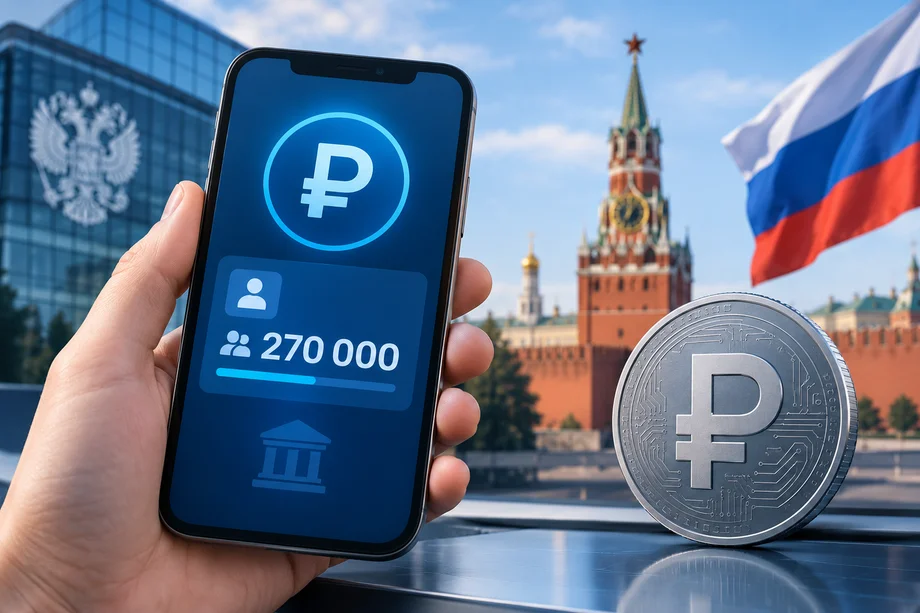
Central bank reports stronger-than-expected demand after nationwide launch, with plans for new services including subscriptions and offline payments
Russia’s central bank digital currency has attracted 270,000 accounts less than two months after its nationwide rollout began, according to figures released by the Bank of Russia. Governor Elvira Nabiullina disclosed the total at a press conference following a monetary policy board meeting, noting that uptake has exceeded the institution’s initial projections.
Of the 270,000 accounts opened by October 23, 15,000 belong to legal entities and individual entrepreneurs. The remainder are held by individuals. Nabiullina pointed to particularly strong interest from small and medium-sized businesses and sole proprietors.
Rapid Growth Since September Launch
The digital ruble became available nationwide on September 1 after a multi-year pilot phase. By September 11, roughly 87,000 accounts had already been opened. The jump to 270,000 by late October represents a substantial increase over a short period.
The digital ruble functions as a third form of the national currency alongside physical cash and commercial bank deposits. Accounts sit on the central bank’s platform and are accessed through the mobile applications of participating banks. Individuals retain the choice of whether to open and use a digital ruble account.
Thirty-six banks are now connected to the platform. Fifteen of them joined voluntarily ahead of statutory deadlines.
Upcoming Features and Government Integration
The Bank of Russia plans to introduce a subscription service by the end of November. Officials expect strong demand for the feature. In 2027 the central bank intends to test offline payments and roll out additional services aimed at businesses.
Nabiullina said the regulator maintains ongoing consultations with banks and companies to identify useful functions and refine the platform. The central bank continues to monitor adoption closely.
National institutions have begun integrating the digital ruble into payroll systems. The Ministry of Finance has made digital ruble wage payments available to its employees, with the option extended to all Russian citizens. Lawmakers have also discussed enabling direct ATM withdrawals by linking the digital ruble network to existing banking infrastructure, a step intended to broaden everyday usability.
Context of the Rollout
The large-scale phase that began on September 1 represents the first stage of a broader schedule that continues through 2028. Systemically important banks and large retailers face phased requirements to support the currency. The account figures released so far measure openings rather than active transaction volumes or balances held on the platform.
Nabiullina described the early results as evidence of genuine interest while acknowledging that the central bank’s original expectations may have been modest. The institution is adjusting its approach on the basis of feedback from both financial institutions and end users as the digital ruble moves further into everyday financial activity.
Disclaimer
This article was generated by AI using information from multiple industry sources. It has not been reviewed or verified by a human editor and may contain inaccuracies, omissions, or misinformation. Readers are encouraged to independently verify any information before making decisions based on its content.Tired of the noise?
Let the bots trade for you.
Trade 24/7, without emotion, with data-driven strategies.
Associated articles

Russia Enables First Digital Ruble Wages at Finance Ministry

Russia’s New Crypto Framework Takes Effect, Opening Regulated Trading in Bitcoin, Ethereum and USDT

Russia’s Central Bank Issues Draft Rules for Organized Crypto Trading Ahead of September Framework

Russia Enacts Comprehensive Framework for Regulated Cryptocurrency Market

Russia's Central Bank Approves Bitcoin, Ethereum and USDT for Exchange Trading Under New Rules
Latest articles

Arthur Hayes Closes Maelstrom Positions With $22.28 Million Token Sales

Global X Canada Sets Monthly Distributions Across Four ETFs

IRS Plans Lower Penalties and Faster Resolutions for Voluntary Tax Disclosures, Including Crypto
Electrum Releases 4.8.3 Update to Close Critical Bitcoin Wallet Security Flaw