Newsroom
Local US Restrictions on Data Centers Could Favor Bitcoin Miners Shifting to AI
12 November, 2026 / News / AI / Tags: electricity, mining, grid, megawatt, power
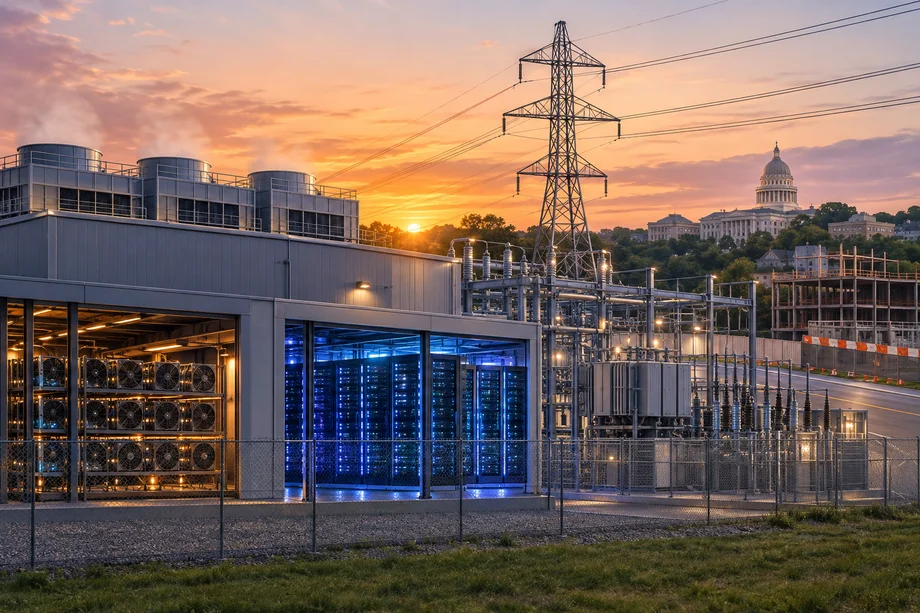
Voters in dozens of communities backed limits on new facilities amid power and cost concerns, potentially giving existing mining sites with secured electricity an edge in the AI infrastructure race
Voters across multiple US communities supported measures restricting new data center construction in the November 3 midterm elections, creating a more challenging environment for fresh projects while potentially improving the relative position of Bitcoin mining operators already holding power contracts and physical infrastructure.
According to tracking of local contests, support for limits appeared in 40 of 41 races. The measures ranged from outright bans and partial restrictions to temporary pauses on development and requirements for public approval of larger facilities. In Grove City, Ohio, voters approved rules that include public consent for projects drawing more than 20 megawatts of electricity. Several towns in Maine adopted six-month pauses on new projects.
Concerns cited by supporters of the measures centered on electricity costs, water consumption and effects on surrounding communities. These local decisions carry weight because zoning, building permits and aspects of power access often fall under municipal or state authority rather than federal oversight alone.
Existing Mining Sites Gain Relative Advantage
Publicly listed Bitcoin mining companies have already announced more than $70 billion in contracts for AI and advanced computing capacity during 2025 and early 2026. Operators with power already secured and grid connections in place may face fewer immediate barriers than developers starting from scratch. Grid connection queues for many new projects exceed five years, with averages above seven years reported in the PJM region.
Valuation gaps illustrate the potential shift. Fully leased AI data centers are valued around $27 million per megawatt, while publicly traded mining firms still holding some unleased powered capacity trade below $3 million per megawatt. Conversion of mining facilities into AI-ready sites is estimated to cost between $8 million and $15 million per megawatt, far higher than the $700,000 to $1 million per megawatt typical for traditional mining infrastructure.
Miners that have already secured AI contracts trade at higher multiples, averaging 12.9 times forward sales compared with 3.7 times for those without such agreements. One example is Riot Platforms, which signed a 15-year lease covering 910 megawatts of data-center capacity at its Corsicana, Texas campus.
Conversion Challenges Remain Substantial
Secured power alone does not guarantee a smooth transition. Upgrades for cooling systems, networking and reliability add significant capital requirements. Bitcoin mining operations can often scale electricity use up or down in response to price changes, while AI data centers generally require steady, continuous supply.
Higher electricity prices and additional regulatory layers could reduce project profitability or extend timelines. Electricity demand from US data centers is projected to rise sharply, from an estimated 224 terawatt-hours in 2025 to 426 terawatt-hours by 2030.
Congressional Attention on Grid Costs
The incoming Democratic-controlled Congress is expected to examine how the costs of grid expansion for large data centers are allocated. Lawmakers may press for greater contributions from technology operators rather than shifting expenses onto residential and other commercial customers.
Policy discussion is unlikely to halt development entirely. Domestic AI computing capacity retains strategic economic importance, maintaining incentives for investment even as scrutiny intensifies around infrastructure funding and local impacts.
For mining companies weighing conversion, the central calculation remains whether projected AI revenues will cover the higher capital outlays for specialized systems. Operators that already control power arrangements and physical plants are positioned to move faster within the tighter local permitting environment now taking shape.

Disclaimer
This article was generated by AI using information from multiple industry sources. It has not been reviewed or verified by a human editor and may contain inaccuracies, omissions, or misinformation. Readers are encouraged to independently verify any information before making decisions based on its content.Tired of the noise?
Let the bots trade for you.
Trade 24/7, without emotion, with data-driven strategies.
Associated articles
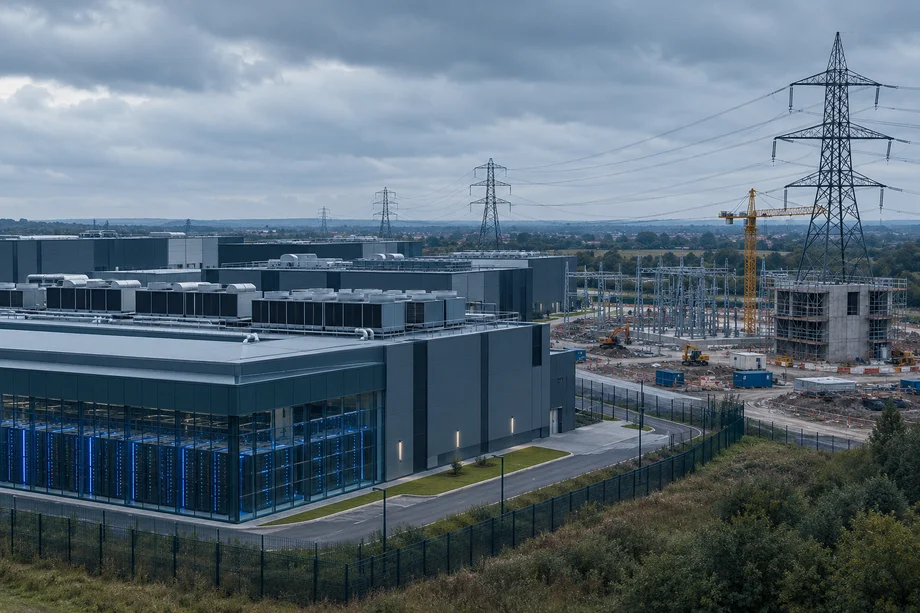
Microsoft Withdraws From Nscale’s Essex AI Data Center Over Grid Delays Into 2030s

Bernstein: Bitcoin Miners Emerge as Key Players in AI Infrastructure
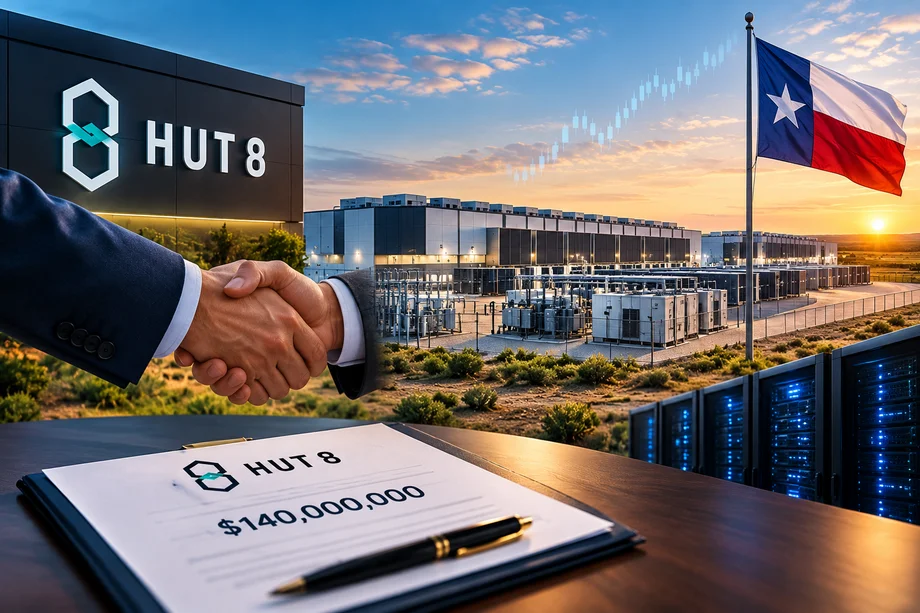
Hut 8 Secures $140 Million Bid for Poolin’s Texas Data Centers

Public Bitcoin Miners Cut Hashrate 13.4% as AI Demand Reshapes Operations

Riot Platforms Shares Rise After Securing $9.1 Billion AI Compute Agreement
Latest articles

Polymarket Trims Workforce as It Prepares for Possible 2027 IPO

BitMine Reports $6.3 Billion Loss as Ethereum Falls 44% on Treasury Exposures
Nvidia Stock plunged as Huang Scandal Erupts

South Korea to Permit Crypto Exchanges to Freeze Withdrawals on Suspected Hacks