Newsroom
Hyperliquid and Pump.fun Drive Nearly 90% of Record $638 Million Crypto Token Buybacks in 2026
31 August, 2026 / News / AI / Tags: pump, revenue, buybacks, percent, protocols
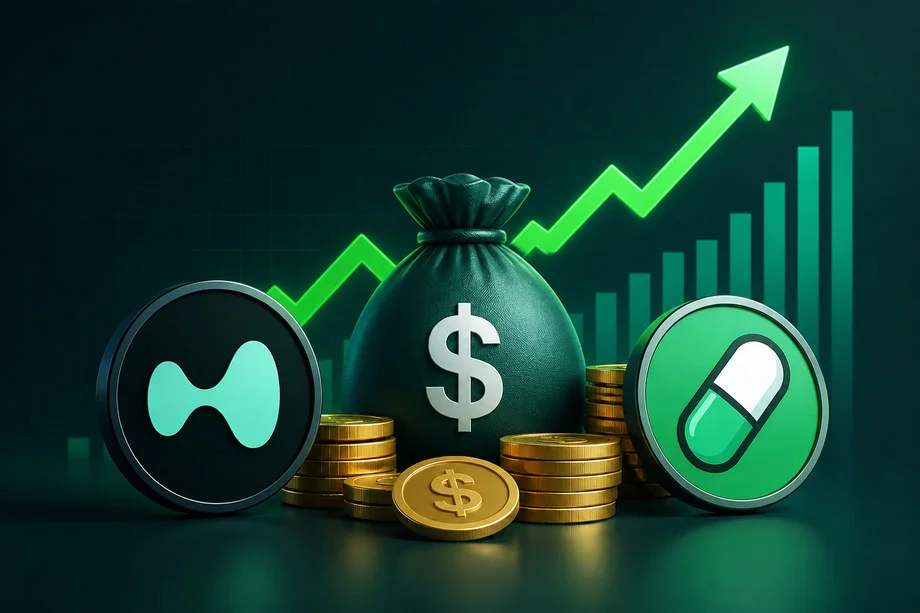
Crypto protocols have spent a record $638 million repurchasing their own tokens so far this year, with two projects dominating the activity amid broader market declines
Cryptocurrency projects have directed a record $638 million toward token buybacks year-to-date in 2026, marking a sharp rise from $545 million over the same period in 2025 and just $366,000 across all of 2024. The figures, drawn from Allium Labs data, show the strategy gaining traction as more protocols convert revenue into purchases of their native tokens.
Two platforms account for the vast majority of the spending. Decentralized exchange Hyperliquid contributed roughly $370 million, while memecoin launchpad Pump.fun added nearly $200 million. Together they represent almost 90 percent of the total activity recorded through late August.
Revenue Allocation Fuels Aggressive Programs
Hyperliquid routes about 99 percent of its revenue into HYPE token buybacks. The protocol reported $169 million in second-quarter revenue and allocated $141 million of that amount to repurchases. Cumulative purchases since its late-2024 launch have reached approximately $1.3 billion, with repurchased tokens permanently removed from circulation.
Pump.fun commits roughly half of its net protocol revenue to buying and burning PUMP tokens. The platform reports annualized revenue near $420 million based on recent daily averages. Its cumulative program has already retired more than 16 percent of the token’s original supply through burns.
Token Performance Against Broader Market Weakness
The HYPE and PUMP tokens have posted substantial gains this year even as the wider cryptocurrency market declined. HYPE advanced 145 percent year-to-date and PUMP rose 109 percent. Over the same span, Bitcoin fell about 10 percent and total crypto market capitalization dropped 11.9 percent.
Analysts note that sustained repurchase programs can create consistent buying pressure and, when tokens are burned, reduce circulating supply. However, results remain mixed across the sector. Unlocks, ongoing emissions and selling pressure often offset the demand generated by buybacks, limiting price impact for many projects.
Expanding Use Across Protocols
The approach is no longer limited to a handful of high-revenue platforms. On Thursday the Ethena Foundation opened a governance vote on a proposal that would direct 95 percent of net revenue from its core business lines toward ENA token repurchases. The ENA token climbed 10.7 percent the day after the proposal appeared.
Other protocols have also adopted or proposed similar mechanisms. Sky spent about $26 million on SKY buybacks in 2026 under an on-chain surplus system. Lido’s proposed framework would activate purchases only after annualized revenue exceeds set thresholds and would cap annual spending. Uniswap and Aave have previously executed or expanded fee-driven burns and retirements.
Token buybacks function in a manner similar to corporate share repurchases, aiming to support valuations and return value to existing holders. Unlike equity, however, most governance tokens do not confer legal ownership or claims on protocol cash flows. Effectiveness depends on consistent execution, whether purchased tokens are permanently burned, and the scale of competing supply from emissions and unlocks.
Activity remains highly concentrated. The record total does not yet signal uniform adoption across the industry. Future growth will hinge on whether additional revenue-generating protocols implement sustained programs and whether fee income holds up during quieter trading periods.

Disclaimer
This article was generated by AI using information from multiple industry sources. It has not been reviewed or verified by a human editor and may contain inaccuracies, omissions, or misinformation. Readers are encouraged to independently verify any information before making decisions based on its content.Tired of the noise?
Let the bots trade for you.
Trade 24/7, without emotion, with data-driven strategies.
Associated articles
Pump.fun Transfers Another $5.83 Million in SOL to Kraken as Cumulative Sales Hit $848 Million
Ethena Foundation Overhauls Token Economics With Investor Buyouts and Revenue Buyback Plan
Hyperliquid Strategies Adds $45.8M HYPE as Token Retreats From Record High

Hyperliquid HYPE Defies Dilution Fears With $1.16B Buybacks and ETF Surge
Andrew Tate-Linked Wallet Deposits 20,950 HYPE Tokens Worth $1.87M to Binance
Latest articles
SkyAI Exits Solana Holdings Completely, Launches $201 Million Share Buyback
Strategy Buys 267 Bitcoin and Raises Preferred Share Buyback Cap to $3 Billion
Dormant 2013 Bitcoin Wallets Shift Over $67 Million After More Than a Decade

Binance Rolls Out AI Pro Tool for Chat-Based Automated Trading Strategies