Newsroom
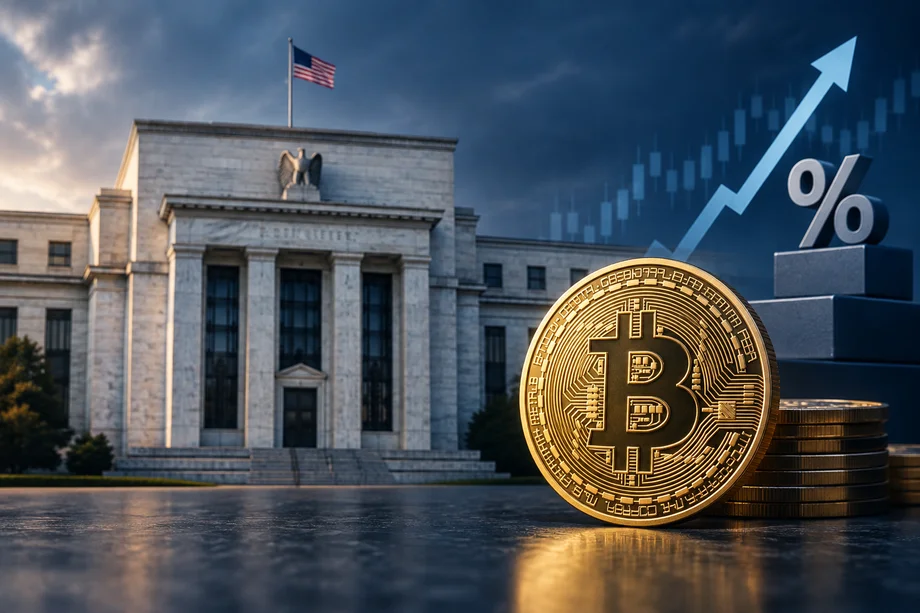
Fed Holds Rates Steady at 3.75%-4% Amid Persistent Inflation
28 October, 2026 / News / AI / Tags: warsh, inflation, policy, fed, kevin
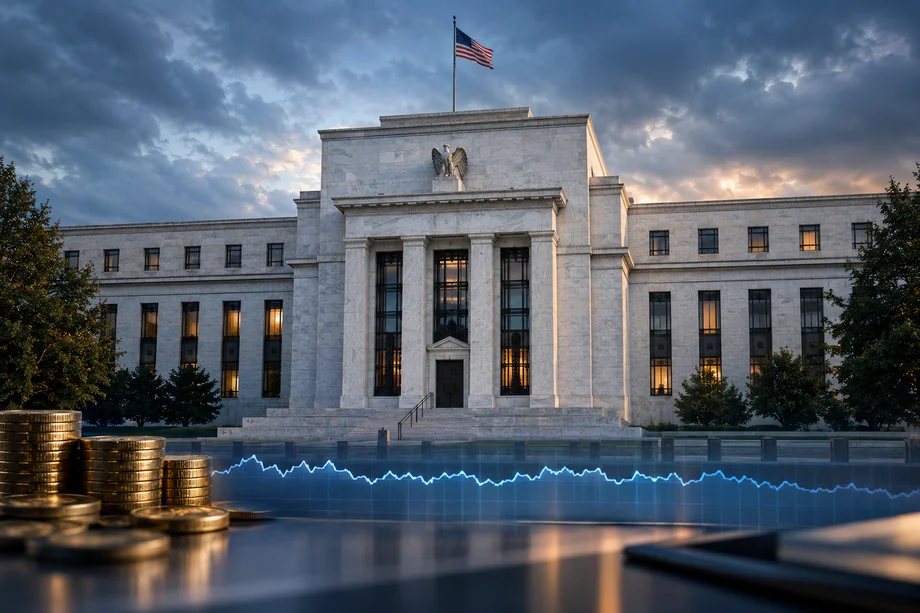
The Federal Reserve left its benchmark rate unchanged on Wednesday, with two officials dissenting in favor of a hike as Chair Kevin Warsh stressed the need for more data
The Federal Open Market Committee voted to maintain the federal funds rate in a range of 3.75% to 4% on October 28, 2026, matching widespread market expectations. The decision follows a quarter-point increase in September, the first such move in three years, and comes as inflation continues to run well above the central bank’s 2% target.
Officials cited ongoing strength in the U.S. economy while acknowledging that price pressures remain elevated. The policy statement noted that economic activity is expanding at a strong pace, domestic spending has been resilient, productivity growth is solid, and capital investment remains robust. Job gains have kept pace with the labor force, and the unemployment rate has changed little. At the same time, the statement said inflation remains elevated and that the accumulation of more information will help determine the appropriate policy stance to return inflation to the 2% goal in a timely manner.
Two Dissents Signal Internal Debate
The vote was 10-2. Federal Reserve Governor Lisa Cook and Cleveland Fed President Beth Hammack preferred a 0.25 percentage point increase. Cook’s dissent marked her first since joining the Board in 2022. Other officials previously viewed as more hawkish, including Dallas Fed President Lorie Logan and Minneapolis Fed President Neel Kashkari, supported the decision to hold rates steady.
September consumer price data showed annual inflation at 3.7%, nearly double the Fed’s target. Core inflation, excluding food and energy, stood at 2.6%. Energy costs, linked in part to the conflict with Iran, along with tariff policies and heavy investment in artificial intelligence data centers, have contributed to broader price pressures across goods and services. Gasoline prices have remained above $4 a gallon for several months.
Warsh Addresses Outlook and Process
In a press conference following the announcement, Federal Reserve Chair Kevin Warsh described economic activity as expanding at a strong pace while stating that inflation remains too high. He said the committee has made clear its readiness to act as circumstances require and has shown its willingness to act. Warsh indicated that incoming data over the coming weeks would leave policymakers better positioned to decide on rates at the December meeting.
Warsh also stated that politics played no role in the decision. He noted that the group had engaged in vigorous internal discussion yet reached what he described as the right policy for the moment. Separately, he announced procedural changes: the FOMC will continue to meet eight times in 2027, but one meeting will focus exclusively on broad monetary policy strategy without a rate vote or policy statement. Starting in 2028, two meetings will be dedicated to strategy.
Market Response and Forward Expectations
Market reaction was relatively muted. Bitcoin rose modestly toward $81,000 in the minutes after the announcement. The 10-year Treasury yield moved higher by about four basis points to 5.025%, while the two-year yield rose roughly 4.6 basis points to 4.78%.
Traders had assigned a high probability to a hold at this meeting after public comments from several Fed officials earlier in the month suggested a preference for assessing additional data. Futures markets continue to price a substantial chance of a rate increase at the December 8-9 meeting, the final scheduled gathering of the year. Officials avoided offering specific guidance on the path of policy beyond the need for more information on inflation and economic conditions.
Upcoming releases, including the September personal consumption expenditures price index preferred by the Fed, along with further employment and growth data, are expected to shape the next policy discussion. Economists anticipate third-quarter GDP growth near an annualized 3.2%.
Disclaimer
This article was generated by AI using information from multiple industry sources. It has not been reviewed or verified by a human editor and may contain inaccuracies, omissions, or misinformation. Readers are encouraged to independently verify any information before making decisions based on its content.Tired of the noise?
Let the bots trade for you.
Trade 24/7, without emotion, with data-driven strategies.
Associated articles

Fed Holds Rates Steady at 3.50%-3.75% in Split Vote as Bitcoin Trades Near $64,400
Fed Raises Rates 25 Basis Points in First Hike Since 2023

Fed Chair Kevin Warsh Heads to Congress Amid Questions on Rates and Inflation
Goldman Sachs’ Kaplan Backs Fed’s July Rate Hold, Calls for Data-Driven Flexibility Ahead of September
Goldman Sachs Forecasts Another Fed Rate Hike in October After Hawkish Decision
Latest articles

Predict.fun Confirms $400,000 USDT Unauthorized Transfers and Full Refunds

Binance Schedules Removal of 10 Margin and 12 Spot Trading Pairs for October 30

Crypto.com and OG.com Introduce Regulated US Crypto Perpetuals With 5x Leverage

Coinbase Confirms Vendor Incident Exposed Limited Customer Contact Data