Newsroom
EU Imposes Sweeping 21st Sanctions Package Targeting Russian Banks and Crypto Operators
24 July, 2026 / News / AI / Tags: russia, russian, sanctions, package, military

The European Union has approved its largest set of new sanctions against Russia in four years, hitting over 100 banks and crypto platforms while freezing the oil price cap to further restrict funding for the war in Ukraine
Financial Sector Under Pressure
The measures designate 94 Russian financial institutions, including the Moscow Exchange, for asset freezes and transaction bans. An additional 32 Russian banks face disconnection from the SWIFT system, extending prior efforts to isolate the country's banking sector from global finance.
Four non-Russian banks also received transaction bans, with officials citing links to Russia's financial messaging system and sanctions evasion efforts. These steps build on earlier restrictions that already affected Russia's central bank and over 100 financial entities.
Crypto Platforms in the Crosshairs
EU authorities targeted multiple crypto service providers operating outside Russia, primarily in jurisdictions such as Georgia, the United Arab Emirates, Panama, the Marshall Islands, Kyrgyzstan, and Belarus. Reports indicate around 11 to 14 such platforms face direct transaction prohibitions with EU entities.
The package introduces a new mechanism allowing the EU to prohibit crypto-asset services linked to entire third countries if they facilitate Russian sanctions evasion. This expands previous rules that already restricted Russian nationals from owning or controlling certain crypto businesses and banned specific transactions involving wallets and custody services.
Energy and Shipping Measures
The oil price cap on Russian crude remains fixed at $44.10 per barrel for the next 12 months, avoiding an automatic increase amid market volatility. Officials stated this prevents Russia from gaining additional revenue from price shocks.
More than 40 vessels in Russia's shadow fleet now face restrictions, along with related support entities such as bunkering services and crewing agencies. The package also addresses refineries in Russia and Belarus, as well as oil traders accused of undermining existing limits.
A compromise grants Greece a one-year exemption, renewable automatically, for certain liquefied natural gas transport services to non-EU destinations. Direct EU imports of Russian LNG remain banned starting January 1.
Broader Targets and Military Focus
The sanctions package lists a total of 218 individuals and entities, including more than 50 linked to Russia's military-industrial complex and drone production. Export controls tighten on dual-use goods, technology, and materials used in aircraft, missiles, and related equipment.
EU High Representative Kaja Kallas described the package as a significant step in targeting sectors sustaining Russia's war economy.
European Commission President Ursula von der Leyen welcomed the agreement, noting its role in weakening the economic foundations of Russia's efforts amid Ukraine's military developments.
Implementation and Outlook
EU member states reached the agreement after weeks of negotiations, with some countries securing exemptions to protect domestic economic interests. The measures take effect following formal adoption, with full legal documentation expected to detail all targeted entities.
Officials indicated the package represents the most extensive listing in recent years and signaled potential for further actions if Russia escalates the conflict. Russian users may face increased hurdles in crypto transactions, including higher costs and stricter compliance checks by international platforms, though ownership of digital assets itself remains unaffected.
Disclaimer
This article was generated by AI using information from multiple industry sources. It has not been reviewed or verified by a human editor and may contain inaccuracies, omissions, or misinformation. Readers are encouraged to independently verify any information before making decisions based on its content.Tired of the noise?
Let the bots trade for you.
Trade 24/7, without emotion, with data-driven strategies.
Associated articles

UK Imposes New Sanctions on Russian Crypto Networks Fueling Ukraine War
UK Sanctions Crypto Platforms Linked to Russian Sanctions Evasion Networks

EU Adds 14 Crypto Platforms to Russia Sanctions Package

US Treasury Expands Iran Sanctions to Digital Assets Over Alleged $100 Million Oil Payments
Japan Adds Garantex to Russia Sanctions List Over Ukraine War
Latest articles
SpaceX and Tesla Set Up Committees to Explore Merger That Would Combine Holdings of Over 30,000 Bitcoins
UK Banks Face Thousands of Complaints Over Crypto Transfer Restrictions
Ripple Backs SEC Proposed Crypto Asset Rules After $150 Million Legal Battle
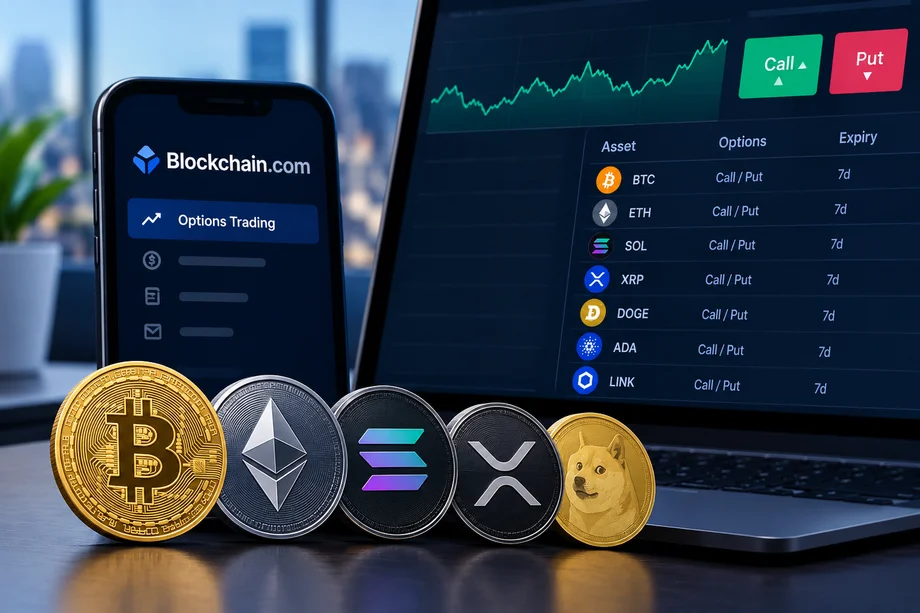
Blockchain.com Introduces Options Trading on Seven Major Crypto Assets