Newsroom
DEXE Token Stages Sharp Rebound After Steep Collapse and On-Chain Transfer Scrutiny
25 July, 2026 / News / AI / Tags: dexe, ceffu, rebound, custodial, dwf
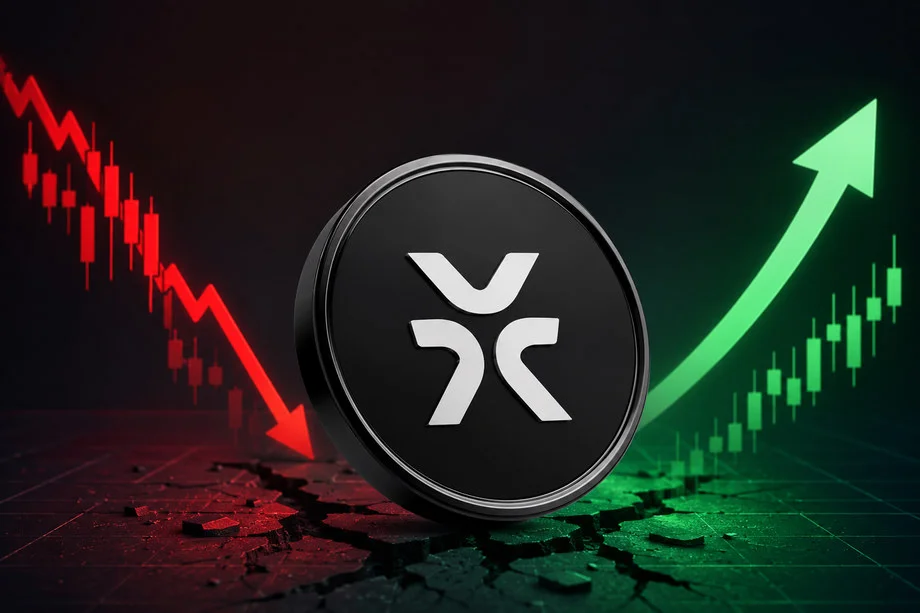
DEXE recovered strongly from multi-day lows near $1.50-$1.90 after plunging more than 90% from recent peaks above $40, as traders weigh leverage resets and unresolved questions over large custodial flows
The DeXe Network token, known as DEXE, has mounted a notable recovery following one of its sharpest declines in recent history. After climbing to levels near $49 in mid-July, the token lost the bulk of those gains within days, falling below $4 and briefly testing zones around $1.56 to $1.86. In the latest sessions, DEXE has climbed back toward the $4.90 to $5.04 range, posting gains of roughly 25% in one 24-hour period and more substantial percentage advances from the recent trough.
The sell-off erased close to 90% to 97% of value from the mid-July peaks, with one particularly intense session on July 21 seeing the price drop as much as 88% from around $46.93 to $5.65. Derivatives markets absorbed heavy pressure during the decline. Open interest in futures contracts contracted from nearly $100 million to about $20 million, an approximate 80% reduction that pointed to widespread liquidation of leveraged positions.
Leverage Flush and Shifting Market Dynamics
Funding rates turned deeply negative during the worst of the selling, dipping below -0.30% at points before moving back toward neutral territory. Futures cumulative volume delta showed persistent net selling through much of the correction. Spot market flows, by contrast, began to improve as the rebound took hold, suggesting some accumulation by cash buyers at lower prices.
Trading volume remained elevated even as the broader cryptocurrency market faced pressure. Bitcoin declined roughly 2% over the same 24-hour window, while overall market capitalization contracted. DEXE stood out as one of the strongest performers among larger tokens during the bounce, with 24-hour trading activity in some reports exceeding several times its market capitalization.
On-Chain Transfers Draw Attention
Parallel to the price action, on-chain data highlighted large transfers involving the custody platform Ceffu. Starting around July 13, Ceffu moved 797,917 DEXE tokens to Binance across six transactions. Those transfers were valued at roughly $6.15 million at the time they occurred, though the same quantity would have represented a substantially higher figure if positioned earlier in the price cycle.
An on-chain analyst examining the flows noted that Ceffu was the only non-exchange entity transferring more than $1 million in DEXE during the period reviewed. The analyst pointed to Ceffu’s MirrorX service, which enables institutional clients to maintain custodial holdings while generating matching trading positions on exchanges, with on-chain settlement occurring later. This structure could mean related trading activity preceded the visible transfers.
Public connections were also examined between Falcon Finance, which had supported DEXE as collateral and used Ceffu for custody, and DWF Labs, which appears among DEXE’s listed partners. The analysis framed these links as one possible route for the custodial balance but stopped short of asserting responsibility. No conclusive evidence was presented that any specific party, including the project team, DWF Labs, Falcon, or Ceffu itself, directed the sales that drove the price decline. Project-linked supply appeared largely retained in treasury and lockup contracts according to the same review.
Social media discussion separately raised claims of movements from team-linked wallets, with some describing the activity as a dump and others suggesting a compromised wallet. Neither set of claims has received official confirmation from DeXe Network, and no verified evidence of a security breach has emerged.
Technical Levels and Recovery Path
From a chart perspective, the rebound has carried DEXE back into a demand zone that has served as an accumulation area over multi-year periods. Immediate focus rests on whether buyers can defend recent lows and build enough momentum to challenge higher resistance bands.
Several analyses identify the $6 area as an important near-term hurdle. A sustained move above that level could open the path toward $8. Closer support references include zones near $1.92 and $1.86. Longer-term moving averages remain positioned well above current prices, consistent with the broader downtrend that followed the mid-July peak.
Holder concentration remains elevated, with a small number of addresses controlling a large share of supply. Futures activity continues to concentrate on major venues, particularly Binance, contributing to the elevated volatility that has characterized both the advance and the subsequent collapse.
The recovery has eased immediate selling pressure and allowed funding rates to normalize. Spot participation has shown early signs of returning. At the same time, the scale of the preceding decline, the reduction in open interest, and the absence of definitive clarity around the large custodial transfers leave the durability of the rebound open to further market testing in the sessions ahead.

Disclaimer
This article was generated by AI using information from multiple industry sources. It has not been reviewed or verified by a human editor and may contain inaccuracies, omissions, or misinformation. Readers are encouraged to independently verify any information before making decisions based on its content.Tired of the noise?
Let the bots trade for you.
Trade 24/7, without emotion, with data-driven strategies.
Associated articles

Bitway Token Climbs Sharply on Binance Wallet Rewards and Short Covering
Crypto Market Cap Climbs Back Above $3 Trillion as Bitcoin Nears $87,000
Ethereum MVRV Ratio Drops Below 0.8 Marking Potential Accumulation Phase

BlackRock Affirms Bitcoin Thesis After 50% Decline From 2025 Peak

PONS Surges to Record High After Binance Alpha Listing Amid Strong Robinhood Chain Activity
Latest articles

Revolut Services Disrupted by Google Cloud Power Event in London
Mt. Gox Trustee Extends Creditor Repayment Deadline to October 2027

JPMorgan Forecasts 10% Annual Bitcoin Returns, Surpassing Stocks and Gold Over Next Decade

Bitget Plans Acquisition of Licensed Thai Crypto Exchange to Enter Local Market