Newsroom
DefiLlama Delays Mobile App Launch Until Apple Removes Fake Phishing Versions
16 August, 2026 / News / AI / Tags: defillama, apple, xngmi, apps, fake
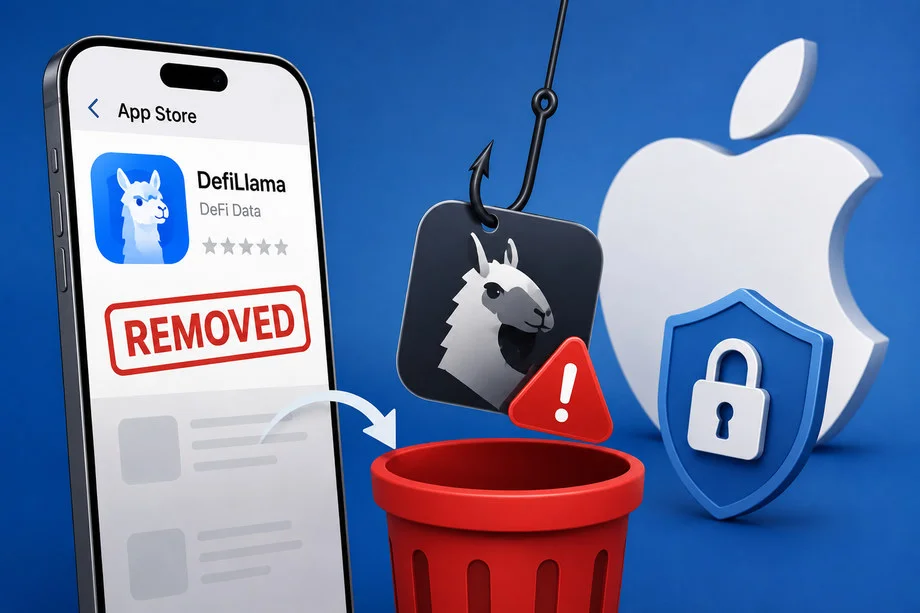
Founder 0xngmi says the team spent months reporting impersonating apps before proving a wallet drain forced faster action from Apple
DefiLlama postponed the public release of its official mobile application for months while fraudulent versions of the DeFi analytics platform remained available on Apple’s App Store. The decision aimed to prevent users from downloading scam apps that could steal cryptocurrency funds.
Pseudonymous founder 0xngmi detailed the episode in posts on August 15. The team had repeatedly flagged a fake DefiLlama listing over trademark violations and impersonation concerns, yet the app stayed live. Only after the company funded a small test wallet, installed the counterfeit application, and documented the funds being drained did Apple act quickly.
According to the founder, the malicious app was a basic copy of DefiLlama designed to prompt users for their seed phrases, the recovery words that grant complete control of a crypto wallet. The same operators had reportedly targeted other major crypto brands by completing identity checks under long-defunct companies, including a shoe-shine business incorporated decades earlier that no longer operates.
Official App Launch Follows Cleanup
DefiLlama waited until every impersonating listing had been removed before releasing its own product. The genuine application is now available on both iOS and Android. Apple’s listing identifies it as “DefiLlama: DeFi Tracker,” names DefiLlama as the developer, and lists DEFILLAMA LIMITED as the provider. The official website directs users to the legitimate mobile product and displays version details that help verify authenticity.
0xngmi noted that the company publicized the sequence of events so other crypto teams would not waste similar time. Apple’s App Review guidelines prohibit applications that impersonate other apps or services and bar the unauthorized use of another developer’s brand, icon, or product name. Repeated violations can result in removal from the Apple Developer Program.
Pattern of Crypto Impersonation on App Stores
The DefiLlama case fits a broader pattern in which fraudulent applications mimicking well-known cryptocurrency products have reached major digital marketplaces. Fake versions of wallets and platforms have previously appeared, some of which successfully drained user funds before removal. In one earlier incident, a counterfeit Ledger Live application led to substantial Bitcoin losses. Similar listings targeting other brands have also been documented on Apple’s platform and elsewhere.
Apple has previously stated that its review process evaluates applications for security and safety. The company has rejected hundreds of thousands of submissions in a single year for copying other apps, spam, or misleading users. In the DefiLlama matter, the founder’s account indicates that reports based solely on trademark and impersonation concerns produced little response, while concrete evidence of a wallet drain prompted removal within days.
Users seeking the legitimate DefiLlama mobile app are advised to access it through the official website rather than relying solely on App Store search results, and to confirm the listed developer and provider details before installation. The founder has not released the exact amount drained from the test wallet or the associated attacker addresses.

Disclaimer
This article was generated by AI using information from multiple industry sources. It has not been reviewed or verified by a human editor and may contain inaccuracies, omissions, or misinformation. Readers are encouraged to independently verify any information before making decisions based on its content.Tired of the noise?
Let the bots trade for you.
Trade 24/7, without emotion, with data-driven strategies.
Associated articles

Apple Faces Lawsuit Over Fake Crypto Wallet App That Cost Users $1.8 Million
Malicious FomoPeek iOS App Tied to Nearly $580,000 Crypto Theft via Kernel Exploits
TikCoin Launches TikOS App as Exchange Listing Stays Unconfirmed
Ripple CTO Emeritus Flags Phishing Scam Aimed at SecuX Wallet Users Amid App Disruptions

Xaman Wallet Founder Alerts XRP Users to Fake XMN Token Scam on Social Media
Latest articles

SpaceX and Tesla Set Up Committees to Explore Merger That Would Combine Holdings of Over 30,000 Bitcoins
UK Banks Face Thousands of Complaints Over Crypto Transfer Restrictions

Ripple Backs SEC Proposed Crypto Asset Rules After $150 Million Legal Battle

Blockchain.com Introduces Options Trading on Seven Major Crypto Assets