Newsroom
Injective Network Halts Block Production for Second Time in Ten Weeks
10 November, 2026 / News / AI / Tags: injective, inj, bithumb, upbit, network
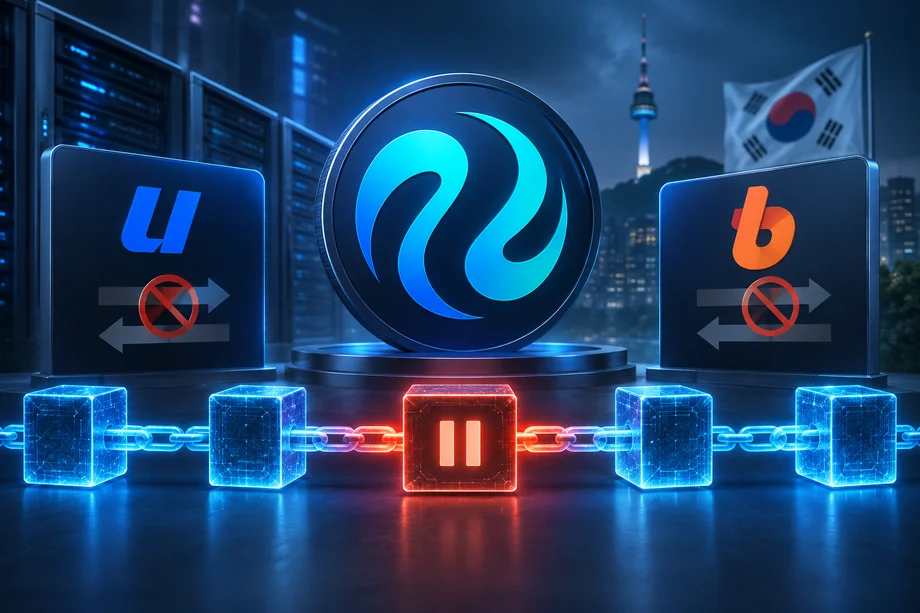
Korean exchanges Upbit and Bithumb suspend INJ deposits and withdrawals after the blockchain pauses new transactions again
The Injective mainnet has paused block production once more, interrupting normal operation of the INJ token network. South Korean platforms Upbit and Bithumb have responded by freezing deposits and withdrawals on the Injective network, citing the need for stability.
Network Halts Disrupt Transfers
Injective stopped producing blocks on November 9, 2026. The latest block reached height 191,016,661 on that date. Exchanges tied to the Injective ecosystem have taken steps to limit user transfers amid the interruption.
Bithumb announced suspension of INJ deposits and withdrawals starting at 23:00 KST on November 9. Upbit followed with the same freeze. The platforms stated they would reopen services once the network returned to full operation, without setting a specific resumption date.
During the suspension, trading of INJ on Bithumb and Upbit continued normally. However, users could not deposit tokens from external wallets or withdraw them to other addresses, nor could they stake or unstake INJ through the exchanges.
Deposits move funds from outside wallets into the exchange, while withdrawals move them out. With both services halted, holders of INJ on the platforms could not transfer the token between the exchange and external wallets. This affected any pending transactions initiated near the pause.
Korean Exchanges Respond to Network Issue
Upbit and Bithumb both restricted INJ transfers on the Injective network after the second halt in roughly ten weeks. The price of INJ stood near $8.10 shortly before the suspension, up 12.74 percent over the prior week.
Both exchanges made stable network operation the condition for reopening deposits and withdrawals. Trading services remained available, allowing users to buy and sell INJ within the exchange order books without reliance on blockchain transfers.
Exchanges perform routine maintenance on their wallets that handle deposits and withdrawals for specific networks. For Injective, this involves updating software, verifying balances, or adjusting connections. Such pauses are exchange-specific and do not reflect on the overall health of the Injective chain.
User Impact and Verification Steps
Only users moving INJ on the Injective network were affected. Those who held INJ solely on the exchange and traded it faced no direct restrictions from the transfer pause. Pending transactions that had already been confirmed on the blockchain remained final on the chain, though the exchange may process credits or releases after resumption.
Users with unprocessed transfers sent during the pause should monitor them on the Injective block explorer using the transaction hash. Official updates from the exchanges provide the most reliable information on status changes.
During network maintenance, common risks include delayed credits for deposits and the need for manual recovery work if funds arrive while services are paused. Choosing the wrong network for INJ transfers can lead to funds being sent to unusable addresses. Users are advised to avoid sending tokens until official notices confirm the services are active again.
Context on Injective Operations
Block production records new transactions into the chain. A halt in this process directly interrupts the network’s handling of transfers. The Injective network is scheduled for its next mainnet upgrade, version 1.21.0, on November 17, 2026. This upcoming change follows recent operational adjustments and may influence future stability.
The platform maintains that consensus and staked assets remain intact following previous interruptions. Korean exchanges have imposed transfer limits as a precautionary measure during these periods of reduced activity.
Users should check exchange maintenance pages directly for the latest announcements, as reopening times are determined by each platform. The Injective block explorer offers live visibility into network status and transaction confirmations.

Disclaimer
This article was generated by AI using information from multiple industry sources. It has not been reviewed or verified by a human editor and may contain inaccuracies, omissions, or misinformation. Readers are encouraged to independently verify any information before making decisions based on its content.Tired of the noise?
Let the bots trade for you.
Trade 24/7, without emotion, with data-driven strategies.
Associated articles
Nubank and Mercado Pago Halt Crypto Transfers After Provider Outage

Binance Supports Terra Network Upgrade as LUNA Climbs Nearly 15%
South Korean Crypto Exchanges See Operating Profits Plunge 78% in First Half of 2026

Binance Advances Phased Withdrawal Restorations After Security Incident
GOPAX Halts All Services After Hack Threat, Moves Assets to Cold Storage
Latest articles

Binance Founder Rejects 335 Million Record Theft Claim as Fake Scam
CertiK Calls for Hard Dollar Caps on Hot Wallets of Crypto Exchanges
BitFuFu Adds 66 BTC to Holdings as Mining Output Slumps

Kalshi Hits Back-to-Back $5.3 Billion Days as Prediction Markets Surge Past Midterm and Entertainment Records