Newsroom
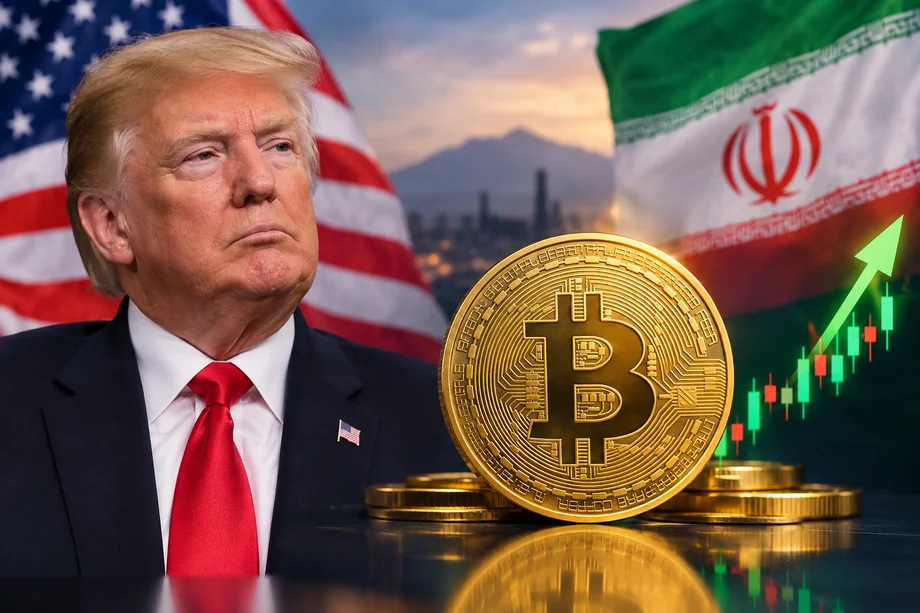
Bitcoin Climbs Above $81,000 on Iran De-Escalation Hopes Amid Ongoing Global Conflicts
3 September, 2026 / News / AI / Tags: ukraine, escalation, iran, oil, inflation

Digital asset gains roughly 5% after earlier drop below $77,000 as traders react to signals of reduced Middle East escalation risks under the Trump administration
Bitcoin advanced past the $81,000 level on Thursday following a sharp rebound from session lows near $77,000. The move came as market participants assessed reports that the Trump administration was exploring options to limit further confrontation with Iran, improving risk appetite across equities and digital assets.
Earlier in the week, heightened US-Iran tensions had weighed on the cryptocurrency, pushing prices lower amid concerns over potential disruptions to global energy supplies. The Strait of Hormuz, a critical chokepoint for oil transit, remained a focal point for traders monitoring inflation risks and monetary policy implications.
Middle East Signals Drive Risk Sentiment Shift
Reports indicated that President Donald Trump and senior aides were privately discussing the possibility of declaring an end to the Iran conflict. Aides reportedly cautioned that further military escalation could affect Republican prospects in the upcoming midterm elections. Trump has publicly stated that any continued operations would not last long, while noting preparedness for additional actions if needed.
These signals prompted a rapid adjustment in market expectations. Bitcoin recovered swiftly as investors reduced concerns over an immediate energy supply shock. Brent crude futures, however, continued to trade near multi-week highs around $97 to $98 per barrel, reflecting persistent uncertainty over shipping through the region. Reduced tanker traffic through the Strait of Hormuz has been noted in recent shipping data.
Higher oil prices have fed into broader inflation worries, which in turn influence bond yields and Federal Reserve policy outlooks. Earlier pressure from rising energy costs and yields contributed to Bitcoin’s decline below $77,000. The latest de-escalation indications reversed that dynamic for risk assets.
Russia-Ukraine Escalation Continues Separately
While Middle East developments supported Bitcoin’s recovery, the Russia-Ukraine conflict showed no similar easing. Russian forces maintained strikes on Ukrainian civilian and economic targets. Ukrainian reports confirmed a drone attack damaged warehouses at a Coca-Cola Beverages Ukraine facility in Kyiv Oblast, part of a broader pattern of assaults on logistics, railways, and industrial sites.
Market observers noted that the two conflicts carry different economic weight for global assets. A major disruption involving the Strait of Hormuz poses direct risks to worldwide oil supplies and inflation. In contrast, intensified activity in Ukraine primarily affects regional commodities, agriculture exports, and European logistics networks.
| Risk Factor | US-Iran Conflict | Russia-Ukraine War |
|---|---|---|
| Oil Impact | High – potential Strait of Hormuz disruption | Moderate – mainly regional energy effects |
| Inflation Risk | High – rapid global price pressure possible | Moderate – food and logistics channels |
| Bitcoin Sensitivity | Strong and immediate via oil and Fed expectations | More indirect through broader risk sentiment |
Monetary Policy Backdrop and Technical Context
Federal Reserve Governor Christopher Waller provided additional support for risk assets by signaling openness to holding rates steady in September, provided August inflation data confirms a cooling trend in three-month core measures. Odds of a rate hike in the near term moderated following the comments.
From a technical perspective, Bitcoin had been testing levels near $78,000. Some analysts have pointed to a potential path toward higher targets if resistance is cleared, while a sustained break lower could reopen downside risks toward recent lows. The cryptocurrency’s response continues to track closely with shifts in oil prices and inflation expectations rather than geopolitical events in isolation.
Iranian strikes on US bases across multiple countries in the region have continued, with limited immediate military response from Washington. The administration has indicated a focus on market stability alongside any strategic considerations. Shipping volumes through the critical waterway remain below recent averages, sustaining caution in energy markets.
Bitcoin’s dual characteristics—as both a risk-sensitive asset and a scarce digital commodity—continue to shape its performance during periods of elevated global tension. Thursday’s price action demonstrated that changes in the assessed probability of an acute Middle East energy crisis can produce rapid moves, even as other conflicts persist without comparable market impact.

Disclaimer
This article was generated by AI using information from multiple industry sources. It has not been reviewed or verified by a human editor and may contain inaccuracies, omissions, or misinformation. Readers are encouraged to independently verify any information before making decisions based on its content.Tired of the noise?
Let the bots trade for you.
Trade 24/7, without emotion, with data-driven strategies.
Associated articles

Bitcoin Holds Near $78,000 as U.S.-Iran Escalation Drives Oil Higher

Bitcoin Fragile at $62K as Iran Closes Strait of Hormuz Amid US Strikes

Bitcoin Drops Below $63,000 as US-Iran Strikes Push Oil Higher

Trump Ends Iran Ceasefire: Bitcoin Drops Below $62,000 as Oil Surges
Bitcoin Rebounds Above $82,000 After Trump Rules Out Iran Strikes Before Midterms
Latest articles

Lighter Token Climbs More Than 20% on Planned CFTC Filing and Research Note

Samsung and SK Hynix Upgrade China NAND Factories Amid AI Demand and Local Rivalry

China Prosecutors Move to Confiscate $5.1 Billion Bitcoin Haul Seized in UK Fraud Case

Bank of Korea Holds Rate at 3% After Consecutive Hikes, Eyes Data for Next Move