Newsroom
Thailand SEC Advances Draft Rules for Local Spot Bitcoin and Ether ETFs
25 August, 2026 / News / AI / Tags: thailand, custodians, etfs, foreign, consultation
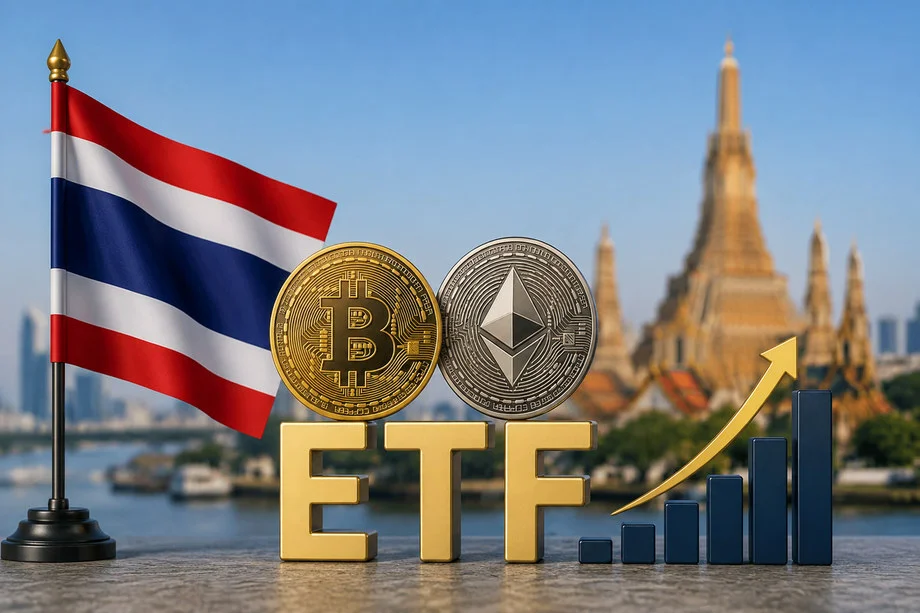
Regulator opens public consultation on frameworks for SET-listed crypto ETFs and foreign custodians, limiting initial products to Bitcoin and Ether with an 80% exposure requirement
Thailand’s Securities and Exchange Commission has released draft regulations that would enable the country’s first locally listed spot Bitcoin and Ether exchange-traded funds. The proposals move the framework from earlier principles-based discussions to concrete rules while updating standards for digital asset custodians.
The SEC is seeking public and industry feedback on two consultation papers until September 20. One sets out the draft ETF regulations. The other outlines qualification requirements for foreign digital asset custodians that serve mutual and private funds investing in cryptocurrencies.
Eligible Assets and Listing Requirements
In the initial phase, only Bitcoin and Ether would qualify as underlying assets. Asset managers could launch passive ETFs that each track a single cryptocurrency. These products would list exclusively on the Stock Exchange of Thailand.
Each fund must maintain an average net exposure of at least 80 percent of its net asset value to the tracked asset across every accounting year. This threshold aims to keep fund performance closely aligned with the price movements of Bitcoin or Ether.
| Asset | Exchange | Minimum Average Net Exposure |
|---|---|---|
| Bitcoin | Stock Exchange of Thailand | 80% of NAV |
| Ether | Stock Exchange of Thailand | 80% of NAV |
Mutual funds and private funds would be permitted to invest in the new Thai-domiciled crypto ETFs, in addition to foreign crypto ETFs already allowed under existing investment limits. Alternative structures, such as depositary receipts linked to overseas crypto ETFs, would not be available at launch.
Revised Custody Framework
Feedback from an April consultation prompted adjustments to the custody approach. Most respondents supported the overall ETF concept but raised concerns about digital asset custody arrangements.
Under the updated plan, crypto ETFs would primarily rely on onshore digital asset custodians during the initial phase. The regulator retains the option to approve qualified foreign custodians when circumstances make it necessary and appropriate.
Foreign custodians serving mutual and private funds must operate under supervision by a regulatory authority that holds legal oversight powers. They must also meet investor asset protection standards that the Thai SEC deems adequate.
Broader Market Context
The draft rules form part of Thailand’s efforts to develop institutional-grade digital asset products and position the country as a regional hub. By channeling exposure through regulated exchange-traded vehicles listed on the national stock exchange, authorities aim to expand access for domestic institutional investors while maintaining safeguards around custody and operational readiness.
Asset management companies would remain responsible for establishing and managing the funds. Investment activity involving digital assets could be delegated only to licensed digital asset fund managers. Fund sponsors would also need to demonstrate sufficient operational capacity, including qualified personnel and appropriate systems.
Public comments on both consultation papers will remain open until September 20, after which the SEC will continue the regulatory process toward potential implementation.


Disclaimer
This article was generated by AI using information from multiple industry sources. It has not been reviewed or verified by a human editor and may contain inaccuracies, omissions, or misinformation. Readers are encouraged to independently verify any information before making decisions based on its content.Tired of the noise?
Let the bots trade for you.
Trade 24/7, without emotion, with data-driven strategies.
Associated articles

Thailand Finalizes Rules for Bitcoin and Ether ETFs on Main Exchange

Franklin Templeton Files for Bitcoin DRIP ETFs That Reinvest Stock Dividends Into Crypto
Cboe Seeks SEC Approval for First US 3x Leveraged Bitcoin and Ether ETFs

Sberbank Prepares Crypto-Backed Corporate Loans as Russia’s New Rules Near

Thailand SEC Finalizes Crypto Travel Rule Effective February 2027
Latest articles

SpaceX and Tesla Set Up Committees to Explore Merger That Would Combine Holdings of Over 30,000 Bitcoins

UK Banks Face Thousands of Complaints Over Crypto Transfer Restrictions

Ripple Backs SEC Proposed Crypto Asset Rules After $150 Million Legal Battle

Blockchain.com Introduces Options Trading on Seven Major Crypto Assets