Newsroom
Telegram Activates Over 700,000 Self-Custodial Gram Wallets in 48 Hours
10 November, 2026 / News / AI / Tags: telegram, durov, custodial, wallets, gram

Pavel Durov reported more than 700,000 new non-custodial wallets created inside the messaging app as Gram integration expands, with automatic activation driving rapid growth
Telegram founder Pavel Durov said more than 700,000 self-custodial Gram wallets were activated on the platform over a 48-hour period. A dashboard he shared showed totals ranging from 714,844 to 718,080 new wallets across the two days, including roughly 329,000 to 333,000 registrations on a single day.
Wallets activate automatically the moment a user receives Grams. Durov noted that this design allows adoption to spread quickly without requiring users to set up accounts in advance. The figures count wallets rather than unique users and do not include transaction volumes or the number of wallets that received tokens during the period.
Native Wallet Integration and Rollout
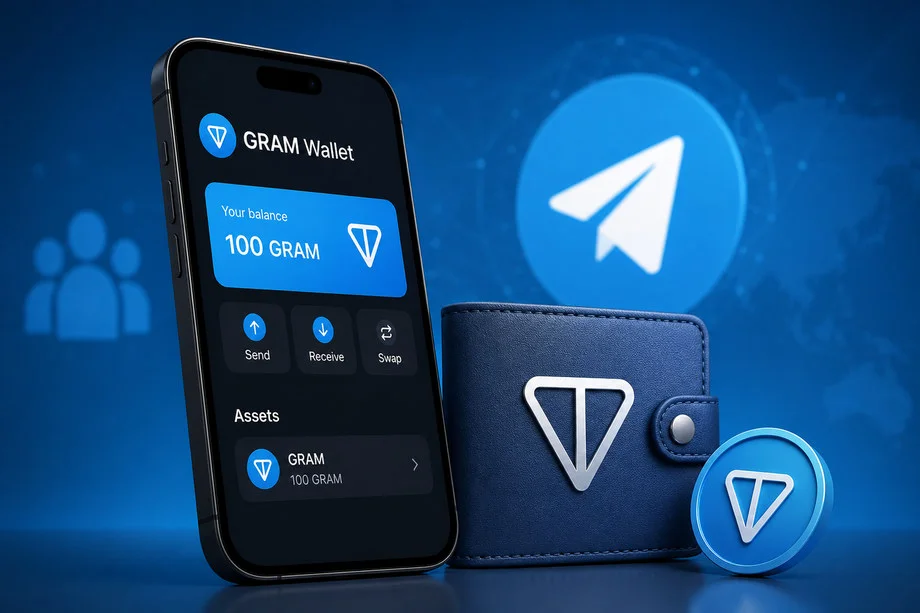
The surge follows Telegram’s expansion of its native non-custodial Gram wallet, known as Money in some references. The company announced plans in July to embed the wallet across its applications, describing the effort as the largest distribution of non-custodial crypto wallets in history. A phased rollout began on August 31 for selected accounts and widened in October.
Users can now receive, hold, and transfer Gram tokens directly within chat windows. The wallet also supports payments for Telegram gifts, collectible usernames, Premium subscriptions, and in-app advertisements. Transfers are designed to be instant and free of fees for the platform’s more than one billion monthly users.
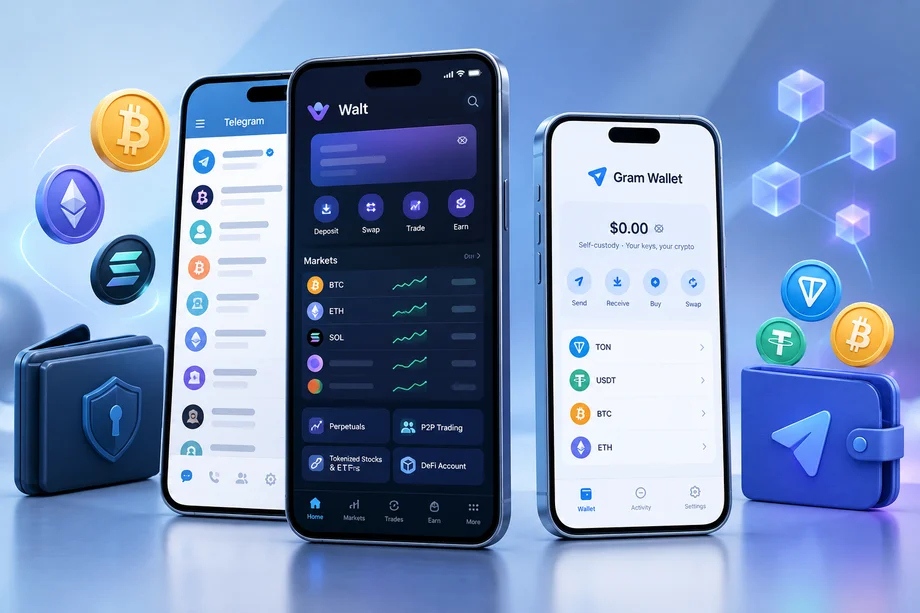
Telegram maintains a separate custodial wallet service. The new Gram wallet operates independently and gives users direct control of their assets without intermediaries. Developer Andrew Rogozov confirmed that the two services remain distinct, with onboarding for the non-custodial version occurring natively inside standard chats.
Background of The Open Network and Gram
The underlying blockchain originated as Telegram Open Network. The project was discontinued in 2020 after a U.S. Securities and Exchange Commission lawsuit, with Telegram refunding more than $1.2 billion to investors. Community developers continued the open-source code under the name The Open Network, with its token previously known as Toncoin.
Earlier this year Telegram assumed a larger role under an initiative described as “Make TON Great Again.” The company became the network’s largest validator and reduced transaction fees to one-sixth of prior levels. In June a community vote with 81 percent support restored the token name to Gram. Existing balances, addresses, and staking positions carried over automatically.
Network Activity and Liquidity
While wallet creation has risen sharply, on-chain activity and liquidity have not kept the same pace. Data showed total value locked in decentralized finance applications near $42 million, down from about $92 million in May. Daily decentralized exchange trading volume stood around $2.7 million.
One analysis estimated approximately 5 million daily transactions, with about 282,000 active wallets in a 24-hour period and roughly 2.2 million monthly active wallets. That figure represents a small share of Telegram’s overall user base. Many newly created addresses appear engaged mainly in micro-transactions such as Premium purchases, advertising payments, and small peer-to-peer transfers.
The Gram blockchain explorer distinguishes Telegram-registered wallets from those that complete on-chain transactions. Only the latter are counted as active.
Centralization Questions and Access Limits
Telegram’s expanded validator role has prompted discussion about concentration of influence on the network. Critics have pointed to the company’s growing weight in validation and development decisions. In addition, the native Gram wallet remains unavailable to users in the United States.
At the time of the announcements Gram traded near $1.05. That level sits more than 87 percent below its 2024 peak of approximately $8.25. Earlier moves, including Telegram’s increased involvement in May and the October wallet expansion, produced temporary price gains that later faded.
Durov characterized the wallet growth as evidence that broader cryptocurrency adoption continues.

Disclaimer
This article was generated by AI using information from multiple industry sources. It has not been reviewed or verified by a human editor and may contain inaccuracies, omissions, or misinformation. Readers are encouraged to independently verify any information before making decisions based on its content.Tired of the noise?
Let the bots trade for you.
Trade 24/7, without emotion, with data-driven strategies.
Associated articles

Telegram to Roll Out Native Non-Custodial Gram Wallet for Over One Billion Users This Summer
Telegram Begins Gradual Rollout of Self-Custodial Gram Wallet to Billion-Plus Users
Telegram Wallet Rebrands as Walt Alongside Gram Wallet Rollout

Telegram Seeks .gram Domain to Give Users Personal Websites

TON Rebrands to Gram as Telegram Revives Original Token Name
Latest articles

Injective Network Halts Block Production for Second Time in Ten Weeks

Binance Founder Rejects 335 Million Record Theft Claim as Fake Scam

CertiK Calls for Hard Dollar Caps on Hot Wallets of Crypto Exchanges
BitFuFu Adds 66 BTC to Holdings as Mining Output Slumps