Newsroom
Poland Advances Bill to Include Cryptocurrencies in Sanctions Framework
10 November, 2026 / News / AI / Tags: sanctions, poland, sejm, polish, senate
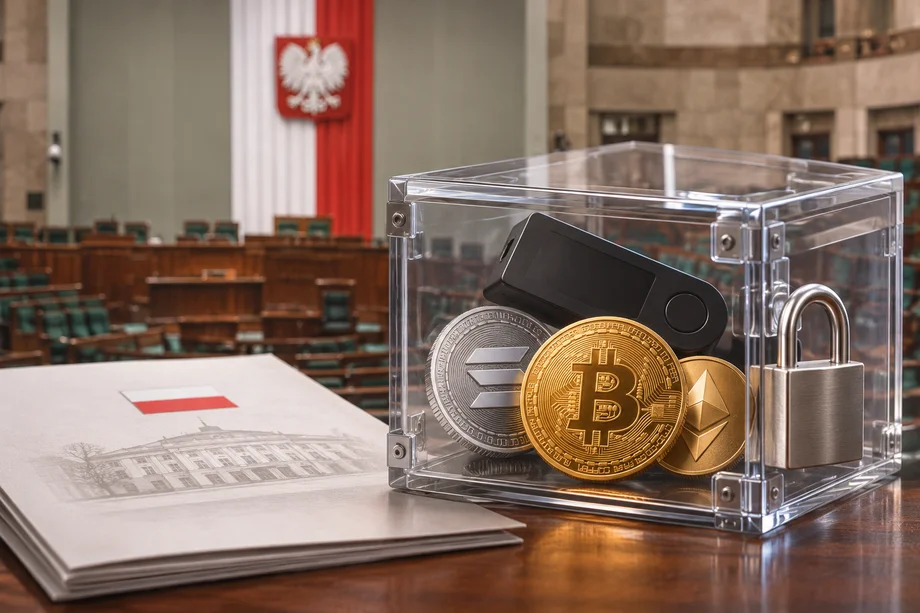
Poland's lower house has approved legislation that expands its national sanctions powers to explicitly cover digital assets, with the Senate now reviewing the measure
Sejm Approves Expansion of Sanctions Toolkit
Poland's lower house of parliament, the Sejm, has passed a government-backed bill that broadens the country's existing sanctions regime and adds cryptocurrencies to the list of financial resources that authorities can freeze. The vote recorded 240 in favor, 202 against and one abstention, with the draft now moving to the upper chamber for further consideration.
The legislation aligns with the European Union's Markets in Crypto-Assets Regulation, which provides the framework for how crypto assets are defined and regulated across member states. It marks the first time Polish authorities will have clear authority to treat virtual currencies and tokens as financial instruments subject to sanctions enforcement.
Process for Listing and Enforcement
Under the new rules, the interior minister will oversee the national sanctions list. Decisions to designate individuals or entities on the list will take effect the day after publication. Those affected may challenge the measure in an administrative court, but enforcement of any associated asset freezes, including on crypto holdings, can begin immediately.
This mechanism allows authorities to act swiftly against potential risks while judicial review follows. The bill applies only to persons and entities added to the sanctions list, not to the broader crypto market.
Broadened Grounds for National Sanctions
Poland already maintains a sanctions framework under 2022 legislation aimed at countering support for Russia's invasion of Ukraine. The new measure expands those grounds to include serious foreign interference and information manipulation activities that threaten national security.
The updated rules move beyond geopolitical tensions to encompass a wider range of security concerns, while still requiring judicial oversight for final determinations.
Legislative Timeline and Next Steps
The Senate has 30 days to review, amend or reject the bill. If no action is taken within that period, Polish constitutional provisions state that the legislation is considered approved in its current form and will proceed to the president for signature. The Senate's vote represents the final parliamentary step before the measure becomes law.
| Key Element | Details |
|---|---|
| Approval Date | Passed by Sejm: 240-202-1 |
| Current Status | Forwarded to Senate for review |
| Enforcement Timeline | Decisions take effect day after publication; asset freezes immediate |
| Appeal Process | Administrative court challenge allowed, but sanctions remain in force until final ruling |
| Review Deadline | Senate: 30 days; automatic approval if none |
Once enacted, the law will operate alongside European Union measures and implement a 2024 directive. It remains distinct from Poland's separate crypto-market licensing framework.
Disclaimer
This article was generated by AI using information from multiple industry sources. It has not been reviewed or verified by a human editor and may contain inaccuracies, omissions, or misinformation. Readers are encouraged to independently verify any information before making decisions based on its content.Tired of the noise?
Let the bots trade for you.
Trade 24/7, without emotion, with data-driven strategies.
Associated articles

Poland Parliament Fails to Override Third Presidential Veto on Crypto Oversight Bill

FLEOA Backs CLARITY Act With Calls for Stronger DeFi Rules Ahead of Senate Vote

Senate Schedules September 15 Vote on Crypto Market Structure Bill

Russia Advances Revised Crypto Bill for Second Reading

Senate Races Clock on CLARITY Act Ahead of August Recess
Latest articles
137 Fake SHIB Tokens Impersonate Ryoshi Deployer to Scam Investors

Upbit and Bithumb List Hyperliquid HYPE in KRW, BTC and USDT Pairs
Binance Flags iOS Flaw That Could Expose Crypto Wallet Keys on iPhones

Injective Network Halts Block Production for Second Time in Ten Weeks