Newsroom
CZ Flags ID Storage Risks After Japan Car-Sharing Breach Hits Millions
19 November, 2026 / News / AI / Tags: images, identification, japanese, documents, rental
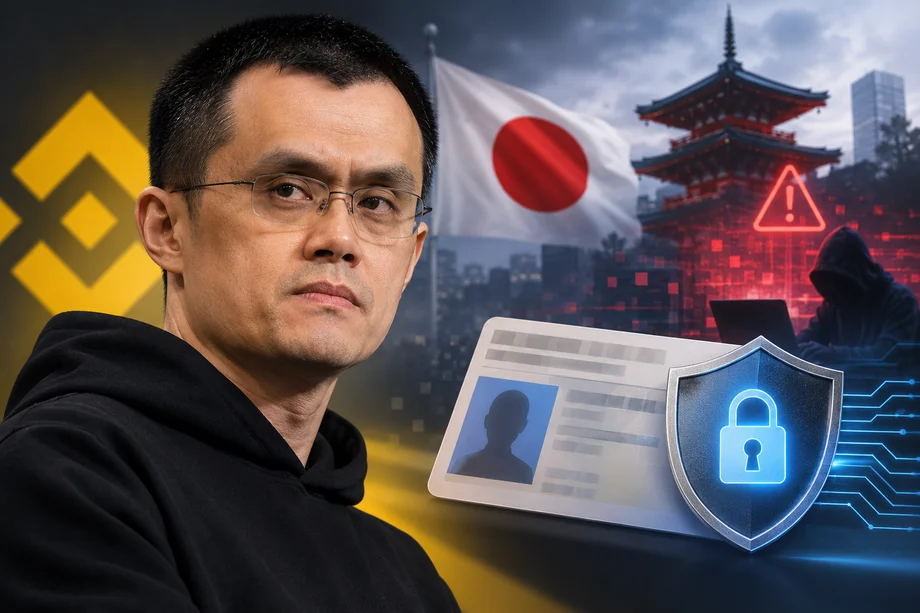
Binance founder Changpeng Zhao voiced concerns over retaining sensitive identity documents following a major cybersecurity incident at a Japanese rental service and a subsequent regulatory notice
Binance founder Changpeng Zhao, commonly known as CZ, has drawn attention to the dangers of storing sensitive personal identification data after Japanese authorities urged companies to limit retention of such records. His comments followed a large-scale data breach at Times Car, a car-sharing service operated by Park24 Group, and a formal notice from Japan’s Personal Information Protection Commission.
Details of the Times Car Breach
Park24 Group disclosed that unauthorized access to its systems affected approximately 6.63 million customer accounts. The company first detected suspicious activity on September 25 and later confirmed the scope of the incident in an October 23 report.
Investigators determined that attackers transmitted 1,464,800 encrypted images of identification documents, including driver’s licenses, to external locations. An additional 891,602 encrypted identification images were accessed in a manner that raised concerns, though no evidence showed those files left the company’s systems.
The breach involved government-issued identity documents collected as part of standard customer verification for the car-sharing platform. The scale of the exposure prompted immediate regulatory scrutiny focused on data-retention practices.
Regulatory Response from Japanese Authorities
On November 18, Japan’s Personal Information Protection Commission issued a notice directed at rental car and car-sharing services. The commission advised firms to exercise caution when deciding whether to store images of driver’s licenses and other official identification documents beyond the period required for their original purpose.
Officials stated that unnecessary retention of these images can substantially increase the harm caused by cybersecurity incidents. The guidance aims to reduce the volume of sensitive material available to attackers if systems are compromised.
Broader Concerns Raised by CZ
In a recent post on X, CZ referenced the Japanese commission’s notice and expressed reservations about the continued storage of highly sensitive personal information. While the official guidance targets the rental-car sector, the discussion has extended to other industries that routinely collect and retain identity documents.
Centralized cryptocurrency platforms typically require users to complete know-your-customer procedures that involve submitting photographs of passports, driver’s licenses, or national identity cards. Such data, once stored, becomes a high-value target for cybercriminals seeking material for identity theft, phishing, or fraudulent account creation.
The Japanese incident and the subsequent regulatory notice illustrate the practical risks that arise when organizations keep identification images longer than necessary. CZ’s public comments have brought renewed focus to these practices across sectors that handle large volumes of personal data.
Disclaimer
This article was generated by AI using information from multiple industry sources. It has not been reviewed or verified by a human editor and may contain inaccuracies, omissions, or misinformation. Readers are encouraged to independently verify any information before making decisions based on its content.Tired of the noise?
Let the bots trade for you.
Trade 24/7, without emotion, with data-driven strategies.
Associated articles
GitHub Internal Repos Breached: CZ Urges Developers to Rotate API Keys Now

Coinbase Confirms Vendor Incident Exposed Limited Customer Contact Data
Binance Founder Rejects 335 Million Record Theft Claim as Fake Scam
Revolut Extortion: Group Demands $3 Million in Monero for 680 Customer Records

French Tax Agency Breach Exposes 678,000 Records, Raising Fears of Targeted Attacks on Crypto Holders
Latest articles

PDAX Allows Solana Stablecoins to Fund Philippine Retail Dollar Bonds

Knaken Creditors Seek €26 Million as Dutch Crypto Exchange Faces Recovery Challenges

OpenAI Achieves Major Chip Design Improvements Using AI Models

Tether and Further Asset Management Invest Nearly $10 Million in MetaComp