Newsroom
Binance Faces EU Exit as Greece Set to Reject MiCA License Application
16 June, 2026 / News / AI / Tags: binance, greece, mica, hcmc, rejection

Binance, the world's largest crypto exchange, is on track to lose its ability to serve EU clients after July 1, 2026, following an expected rejection of its MiCA license bid in Greece. Competitors with approvals stand to gain
Regulatory Deadline Approaches
The EU's Markets in Crypto-Assets (MiCA) framework requires all crypto service providers to secure a license from a national regulator by July 1, 2026, to continue operating across the 27-member bloc. Binance submitted its application through Greece's Hellenic Capital Market Commission (HCMC) in January 2026, positioning Athens as its European base.
According to sources familiar with the matter, the HCMC is preparing to deny the application. This would leave Binance without a valid passport to serve EU clients, triggering a significant operational shift just weeks before the hard deadline.
- Binance applied via Greece citing workforce and security advantages
- More than 50 crypto firms, including Coinbase, Kraken, and OKX, have secured MiCA approvals
- Legacy national registrations in several EU countries will expire post-deadline
Binance's Response and Compliance Efforts
Binance has stated it worked constructively with regulators for over 18 months and believes it meets MiCA requirements. A company spokesperson noted that the HCMC completed its review and viewed the application as compliant, with no formal indication of issues to the contrary.
Co-CEO Richard Teng previously explained the choice of Greece, highlighting its labor force, safety, and security profile over larger financial centers. The company established a local entity, Binary Greece, to support its European operations.
Broader Implications for Binance and the Market
A rejection would mark a notable setback for Binance in a major regulated market. The firm holds registrations in multiple European countries under prior rules, but these will no longer suffice after the MiCA transition. Without approval, Binance may need to restrict services to EU users or explore appeals and alternative applications, though time is limited.
Industry observers note that delays in the authorization process could reduce liquidity, limit competition, and shift some activity outside the EU. Competitors already licensed under MiCA are better positioned to capture market share from users seeking compliant platforms.
- Germany has issued over 45 MiCA licenses; the Netherlands over 20
- Greece had approved none at the time of Binance's filing
- France previously flagged Binance among firms operating without proper authorization
Challenges in EU Crypto Regulation
MiCA aims to bring unified oversight to the crypto sector, addressing risks to investors and financial stability. National regulators handle applications, granting passport rights for bloc-wide operations. Binance's situation underscores the practical hurdles even large platforms face in meeting stringent standards within tight timelines.
While the company remains optimistic about its compliance record, the potential loss of EU access highlights ongoing tensions between global crypto operations and regional regulatory frameworks. Users in the bloc may see changes in service availability, prompting shifts to licensed alternatives.
| Aspect | Details |
|---|---|
| Deadline | July 1, 2026 |
| Application Country | Greece (HCMC) |
| Status | Expected Rejection |
| Competitors' Position | Multiple approvals secured |
The coming days will be critical as Binance prepares its next steps and provides updates to users. The outcome could influence how other major exchanges navigate the final stages of MiCA implementation across Europe.
Disclaimer
This article was generated by AI using information from multiple industry sources. It has not been reviewed or verified by a human editor and may contain inaccuracies, omissions, or misinformation. Readers are encouraged to independently verify any information before making decisions based on its content.Tired of the noise?
Let the bots trade for you.
Trade 24/7, without emotion, with data-driven strategies.
Associated articles

Binance Withdraws Greek MiCA Bid, Eyes New EU Licensing Path

ECB Chief Reportedly Intervened to Halt Binance's EU Crypto License Bid in Greece
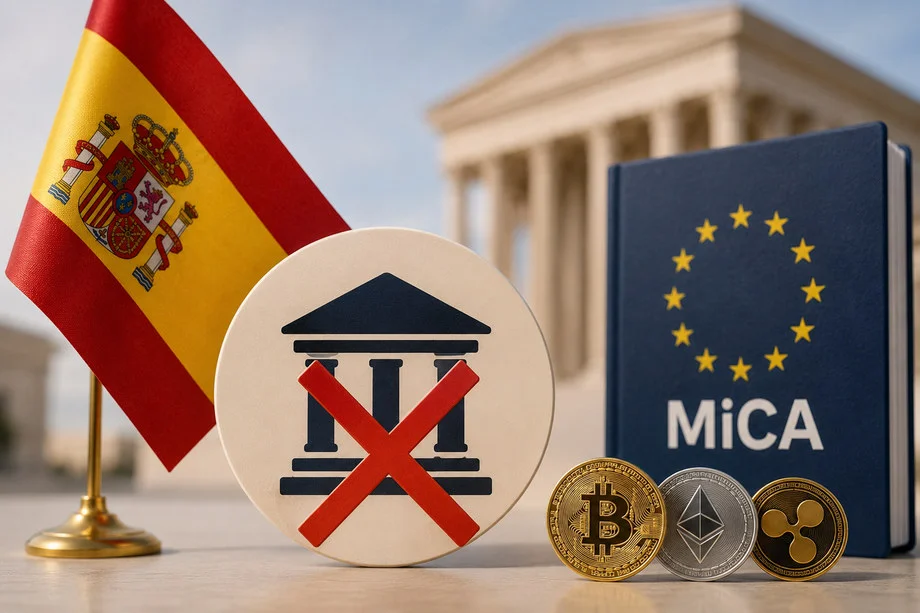
Spain Enforces Strict MiCA Deadline With No Extensions for Crypto Firms

Binance Trading Access Ends for French Users Following MiCA Deadline

Binance Reports 70% EU Withdrawals Move to Self-Custody Following MiCA Rules
Latest articles

SpaceX and Tesla Set Up Committees to Explore Merger That Would Combine Holdings of Over 30,000 Bitcoins

UK Banks Face Thousands of Complaints Over Crypto Transfer Restrictions

Ripple Backs SEC Proposed Crypto Asset Rules After $150 Million Legal Battle

Blockchain.com Introduces Options Trading on Seven Major Crypto Assets